







News is escalating about the imminent conclusion of initial understandings between the United States and Iran, aimed at ending the conflict that has ravaged the Middle East and disrupted global energy markets. In this context, US President Donald Trump issued decisive statements, emphasizing that the anticipated agreement must be highly effective, stressing that he would not accept half-solutions in this thorny issue.
For its part, Tehran expressed cautious optimism through its Foreign Ministry spokesman, Ismail Baqaei, who indicated tangible progress in the course of talks. However, Baqaei clarified that reaching a final formula still requires intensive diplomatic effort to overcome remaining obstacles between the two parties, affirming that the current priority is to halt military operations.
Leaked information suggests that the Iranian side is drafting a memorandum of understanding consisting of 14 basic clauses, primarily focused on ending what Tehran described as the 'imposed war'. It is proposed that this draft be followed by a period of one to two months for discussing precise technical details before signing a final and comprehensive agreement.
The nuclear file remains the cornerstone of existing disputes, as Iran insists on separating it from the initial understanding related to a ceasefire, considering that it requires an independent negotiation path. In contrast, international press reports quoted American officials stating that Washington is pressing for an explicit Iranian commitment to dispose of its highly enriched uranium stockpile as a fundamental condition for moving forward.
Israel entered the crisis forcefully, with its Prime Minister Benjamin Netanyahu making a phone call to Trump to coordinate on Israeli security demands. Netanyahu affirmed that he reached an agreement with the US administration on the necessity for any agreement to include the complete dismantling of Iranian enrichment facilities and the removal of nuclear materials from its territory to ensure regional security.
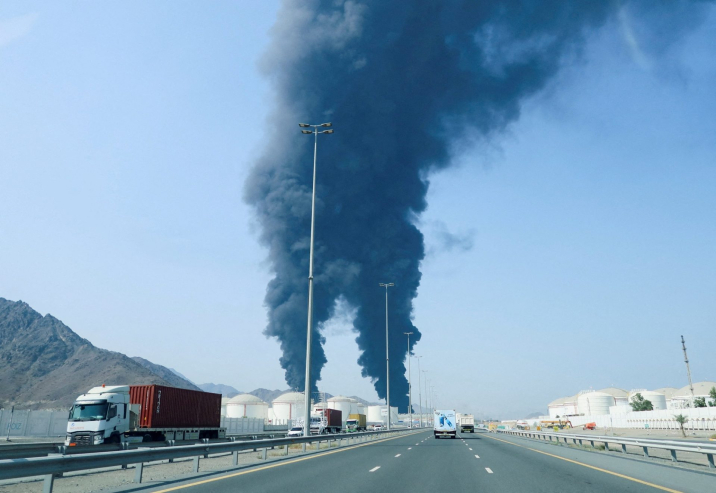
As for international navigation, the Strait of Hormuz stands out as one of the most complex negotiation points, as Tehran refuses to relinquish its military control imposed during the war. The United States and its regional allies demand a return to the freedom of navigation protocols that prevailed before the outbreak of confrontations last February, to ensure the flow of oil supplies.
Iranian media sources indicate that Tehran insists on managing the strategic waterway, considering that the field situation has changed and cannot return to pre-war conditions. In contrast, Trump believes that opening the strait to global trade is one of the main gains that the agreement must achieve to alleviate pressure on global economies.
On the economic front, Iran sets a prerequisite for the release of its frozen financial assets in foreign banks as a gesture of goodwill from Washington. Reports confirm that Iranian negotiators refuse to sign any document unless a portion of these funds is released in the first phase of implementing the understanding, with a mechanism to ensure continued flows.
Iranian demands also include a temporary lifting of sanctions imposed on the oil, gas, and petrochemical sectors throughout the detailed negotiation period. This step aims to revive the ailing Iranian economy and provide a suitable environment for completing political discussions without suffocating economic pressures, which is still under discussion in the White House corridors.
Regarding the Lebanese arena, Tehran insists that any ceasefire must include all ignited regional fronts, including military operations in Lebanon. Sources reported that the draft understanding stipulates a simultaneous cessation of hostilities, which requires an Israeli commitment to halt its airstrikes and ground operations against Hezbollah.
Despite these efforts, Israel continues its intensive military operations in southern Lebanon, affirming its targeting of Hezbollah's infrastructure. Netanyahu stated that Israel reserves its full right to defend itself against any border threats, noting that Trump understands this position despite diplomatic efforts made for de-escalation.
The border areas in Lebanon are witnessing widespread destruction due to ongoing Israeli operations, further complicating the humanitarian and political scene. Iran, for its part, affirms its continued support for its allies in the region, considering that Lebanon's stability is an integral part of any comprehensive regional settlement that Washington seeks to achieve under Trump's administration.
Observers believe that the coming days will be crucial in determining the fate of this understanding, especially with internal pressures in both countries towards making substantial concessions. While Trump seeks a quick diplomatic victory, the Iranian leadership faces the challenge of balancing the lifting of sanctions with maintaining its nuclear and regional gains.
In conclusion, anticipation remains the master of the situation in international decision-making capitals, as the success or failure of these talks will draw a new roadmap for the Middle East. Either diplomacy succeeds in defusing the major explosion, or the region returns to the square of military escalation, whose repercussions could affect the entire global economy.
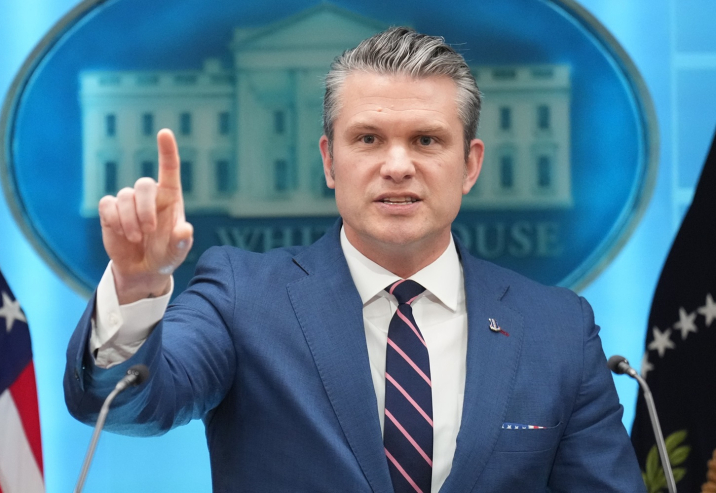
An agreement with Tehran will either be great and worthwhile, or there will be no agreement at all.
Share your opinion
Difficult Labor for Washington-Tehran Understanding: 14 Clauses to End the War and Deep Differences over Nuclear and Navigation Issues