






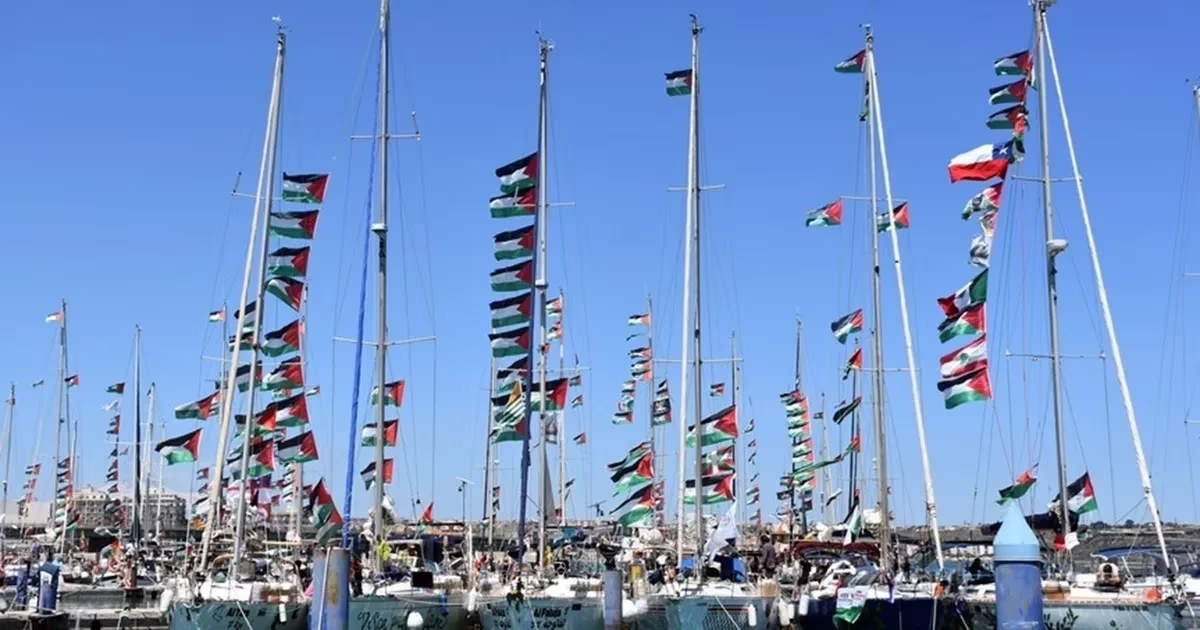
The diplomatic tension between the Israeli occupation and the European Union is escalating following the interception of international relief fleets heading to the Gaza Strip. Instead of achieving the deterrence goals sought by extremist ministers, the scene of activists' arrests turned into an international platform that revealed the extent of humanitarian suffering in the besieged Strip.
Sources reported that occupation forces arrested a group of humanitarian activists who sought to break the starvation blockade imposed on Gaza. These volunteers, representing several countries, confirmed through their movement that the Palestinian cause remains a compass for the global conscience rejecting colonial policies.
In a significant development, Irish President Catherine Connolly officially announced the arrest of her sister, Dr. Margaret Connolly, a human rights activist. The Irish presidency described the incident as an 'illegal abduction' that took place in international waters, putting the occupation in a legal and moral predicament before the international community.
The Irish President expressed her pride in her sister's humanitarian stance, while observers warned that this step would deepen Tel Aviv's international isolation. This incident is expected to lead to an unprecedented diplomatic crisis with Ireland, which already takes critical positions towards the occupation's practices.
Coinciding with these events, extremist minister Itamar Ben Gvir continued his provocations by storming the blessed Al-Aqsa Mosque accompanied by groups of settlers. Ben Gvir raised the occupation flag inside the courtyards under heavy protection, in a move Palestinian sources considered an attempt to ignite the situation and change the existing historical status quo.
These developments come as Palestinians commemorate the seventy-eighth anniversary of the Nakba, recalling the roots of the conflict that has continued for decades. Despite attempts by powers supporting the occupation to marginalize the issue, relief fleets have proven that international solidarity is still alive and active.
Analysts believe that the occupation relies on the weapon of starvation as a political tool against the residents of Gaza, betting on continued American cover. However, the entry of prominent professional and political figures into the relief confrontation has begun to tighten the noose on these policies and embarrass silent European capitals.
Historically, the occupation entity was no stranger to international isolation, as these events remind us of Yasser Arafat's historic speech before the United Nations in 1974. Since then, the methods of popular and international resistance have evolved to include politically and morally besieging the occupation in all forums.
Ben Gvir's extremist behaviors, from distributing weapons to settlers to abusing prisoners, have contributed to shaping a firm international stance against the current government. These actions, which contradict international humanitarian law, have made even the occupation's allies express their displeasure at the lack of political prudence among Tel Aviv's leaders.
In the occupation prisons, the 'empty stomachs' weapon stands out as one of the most prominent tools of struggle mastered by Palestinians to confront administrative detention. Freedom Flotilla activists have drawn inspiration from this spirit of struggle to confront the naval blockade, emphasizing that hunger can turn into an effective weapon against the jailer.
The relief ship project represents a direct threat to the Israeli blockade strategy, and therefore naval forces rush to abuse activists and confiscate ships. This repeated clash puts the global conscience to a real test about the seriousness of saving civilians from imminent famine.
The volunteers who joined the fleets proved that humanitarian work can turn into a resistant political act that breaks the barrier of fear. These activists recorded their names in the annals of heroism, affirming their loyalty to the people of Gaza who face the war machine and blockade alone.
The future of Irish-Israeli relations remains subject to the repercussions of the arrest of the President's sister, which may open the door to stricter European measures. The coming days will be crucial in determining whether human conscience will triumph over policies of brute force and biased political protection.
The arrest of the sister of a European head of state represents a fundamental shift in the nature of the clash between the occupation and international solidarity movements.
Share your opinion
Blockade-breaking fleets put the occupation in a diplomatic crisis with Europe