







The Peace Council, chaired by US President Donald Trump, issued an urgent report emphasizing the need to address the growing gap between financial pledges and actual disbursements allocated for the reconstruction of the Gaza Strip. The report indicated that the ambitious plan, with a total cost of approximately $70 billion, could face a real financial crisis if delays in funding are not remedied.
Trump had established this council to directly oversee his plan aimed at ending the conflict in Gaza and rebuilding areas destroyed by the war. Despite the UN Security Council's recognition of this body, major powers still remain silent about joining it, preferring traditional channels for international funding.
Press sources reported that the Council has received only a small fraction of the $17 billion that member states had previously pledged. This severe liquidity shortage poses significant obstacles to moving forward with the implementation of construction and relief projects planned within Trump's vision for the region.
For its part, the Council denied in an official statement the existence of permanent funding restrictions, describing itself as an implementation-focused organization that requests capital according to field needs. The statement affirmed that the allocated funds are intended to cover construction costs and support the activities of a new transitional government in the Strip, which is supported by Washington.
In its report submitted to the UN Security Council on May 15, the Council stressed that bridging the funding gap has become an urgent matter that cannot be postponed. It considered that keeping funds as mere paper promises prevents the achievement of tangible results felt by the residents of the Strip who suffer from the effects of widespread destruction.
The Council issued an open invitation to countries and organizations not affiliated with it to contribute to reconstruction efforts without delay. It also urged countries that had made previous commitments to accelerate disbursement procedures to ensure the continuity of relief and construction operations in the Palestinian territories.
Although the Council refrained from specifying the actual amount of funds it received, the report confirmed that the pledges remained at $17 billion. The Council presidency did not issue any additional comment on the reasons behind the delay in the arrival of this financial aid from donor countries.
A Peace Council official stated that the body is keen to push UN members to fulfill their responsibilities towards Gaza. He explained that Special Envoy Nikolay Mladenov will provide a comprehensive briefing to the Security Council on May 21 to review the details of the report and the obstacles facing the plan.
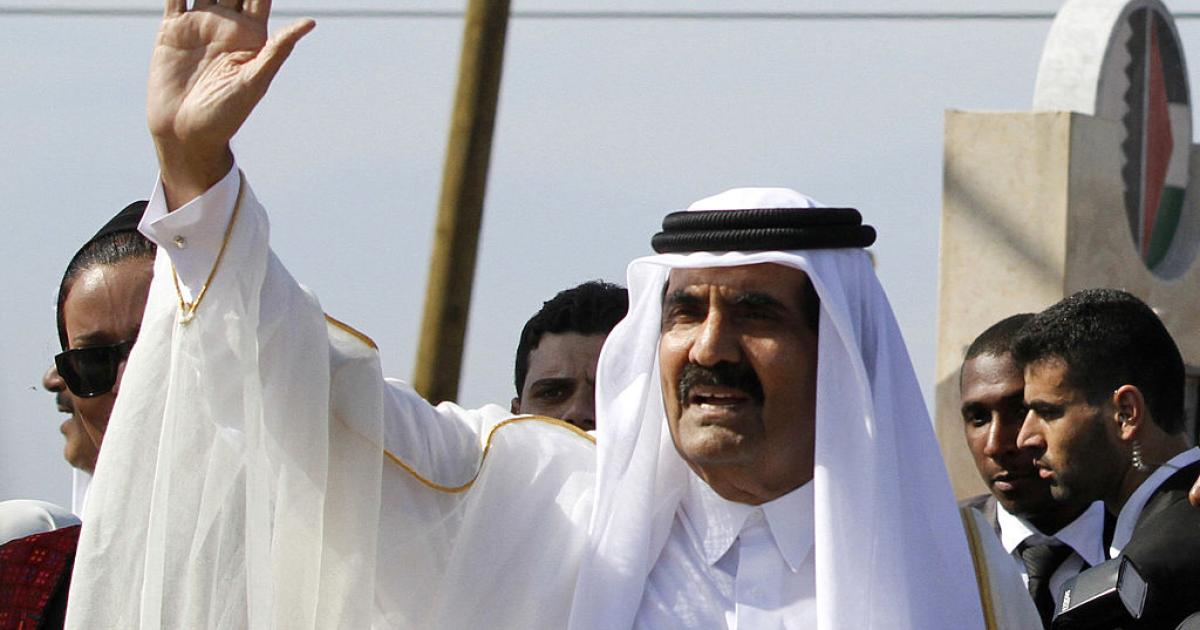
Countries such as Saudi Arabia, the UAE, Qatar, Kuwait, and Morocco stand out among the main donors who have pledged financial support to the Council. These moves come at a time when estimates indicate that the cost of rebuilding what was destroyed by Israeli military operations will exceed $70 billion.
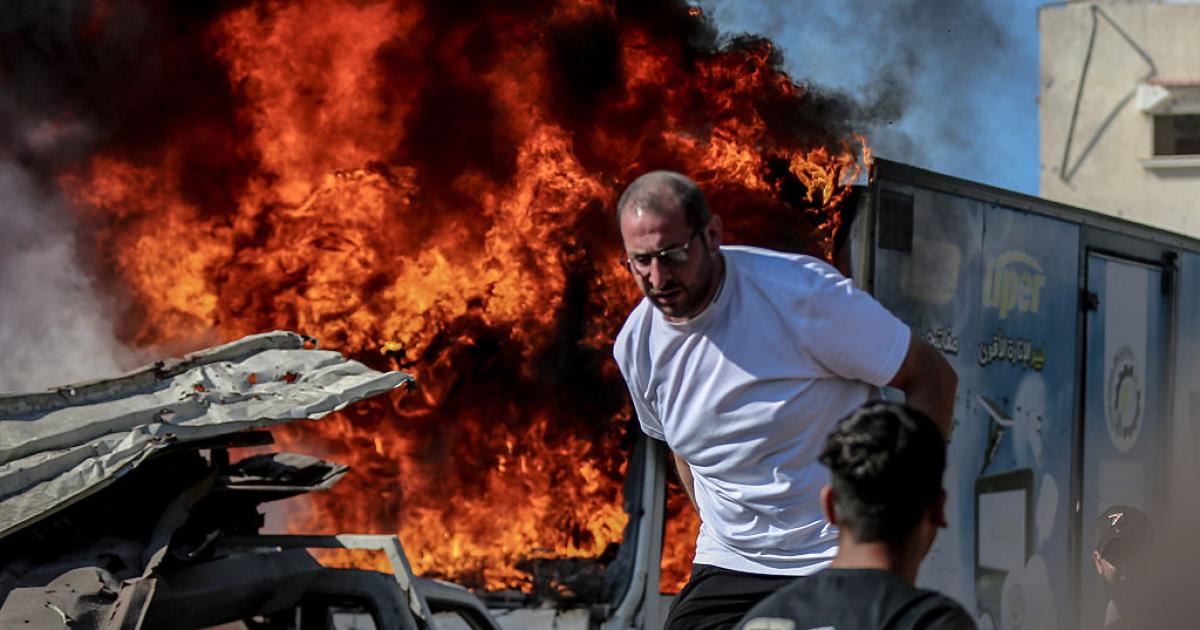
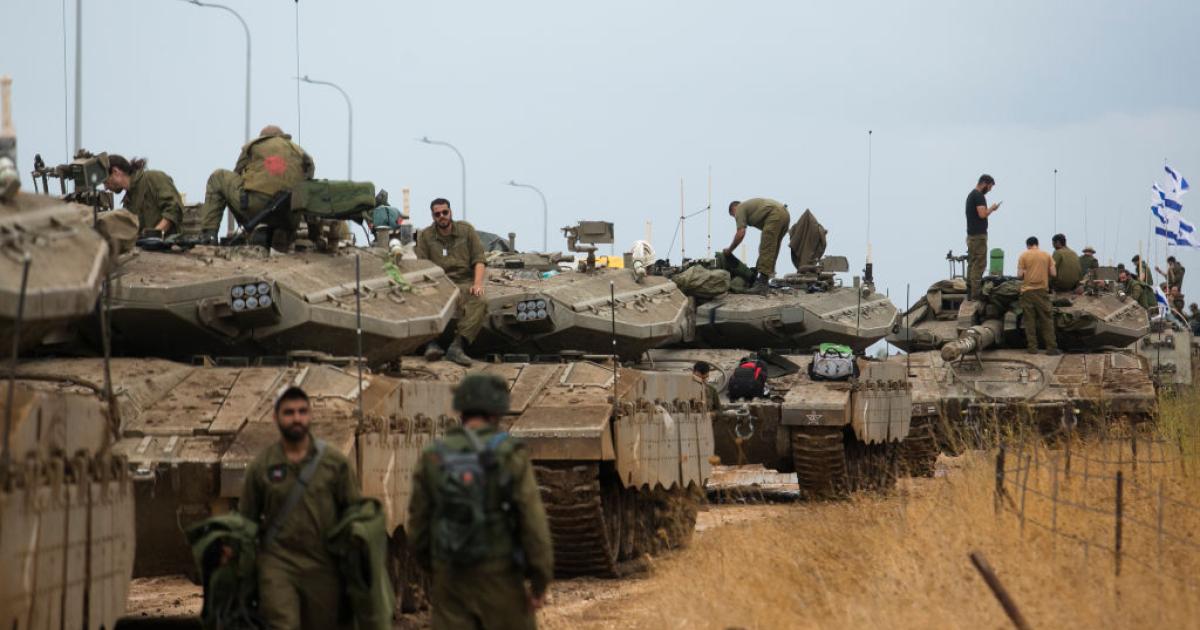
The reconstruction plan faces serious field challenges, as resistance factions refuse to surrender their weapons despite the ceasefire announced last October. In contrast, the Israeli occupation army continues to maintain a military presence in large areas of the Strip with ongoing intermittent airstrikes.
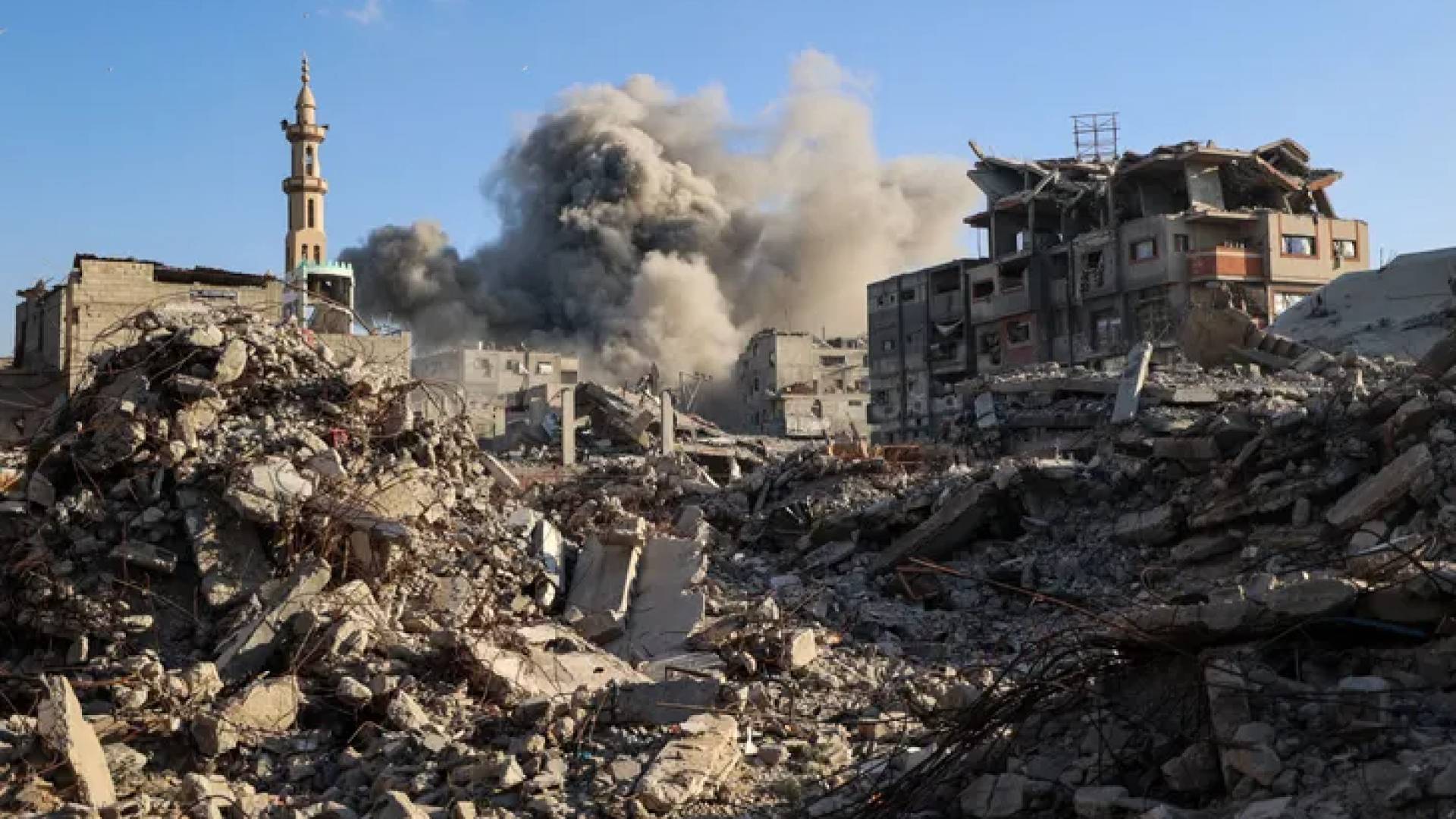
The report described the scale of destruction in Gaza as catastrophic, with about 85% of residential buildings and vital facilities affected. Technical teams affiliated with the Council estimate that there is an urgent need to remove approximately 70 million tons of rubble before any real construction operations can begin.
International reports indicate a state of hesitation among some European and Asian countries to inject funds through Trump's Peace Council. These concerns are primarily due to questions about transparency and financial oversight mechanisms, as these countries prefer traditional channels such as UN agencies.
The Council's charter imposes strict membership conditions, where the duration of membership for countries is limited to three years only unless a contribution of one billion dollars is paid. It is not yet clear whether any of the donor countries have paid this amount to obtain a permanent seat on the supervisory body for reconstruction.
The gap between commitments and disbursements represents the difference between a framework that exists on paper and one that achieves tangible results on the ground for the people of Gaza.

Share your opinion
Peace Council warns of funding crisis threatening $70 billion Gaza reconstruction plan