






Despite vast military disparities, Tehran managed to forge a new reality on the ground that prevented the United States and the Israeli occupation from achieving a swift victory in the confrontation that erupted in early 2026. According to analytical readings, Iran adopted an innovative strategy known as 'Triple Coercion,' which focuses on shifting pressure from direct confrontation to targeting the vital interests of third parties with strategic ties to Washington.
This strategy enabled the Iranian leadership to overcome the initial shocks and the wave of assassinations that targeted its cadres, quickly moving to a phase of imposing military and political stalemate. This was clearly demonstrated by Tehran's ability to expand the conflict to include international energy corridors and neighboring countries, putting global economic interests at risk.
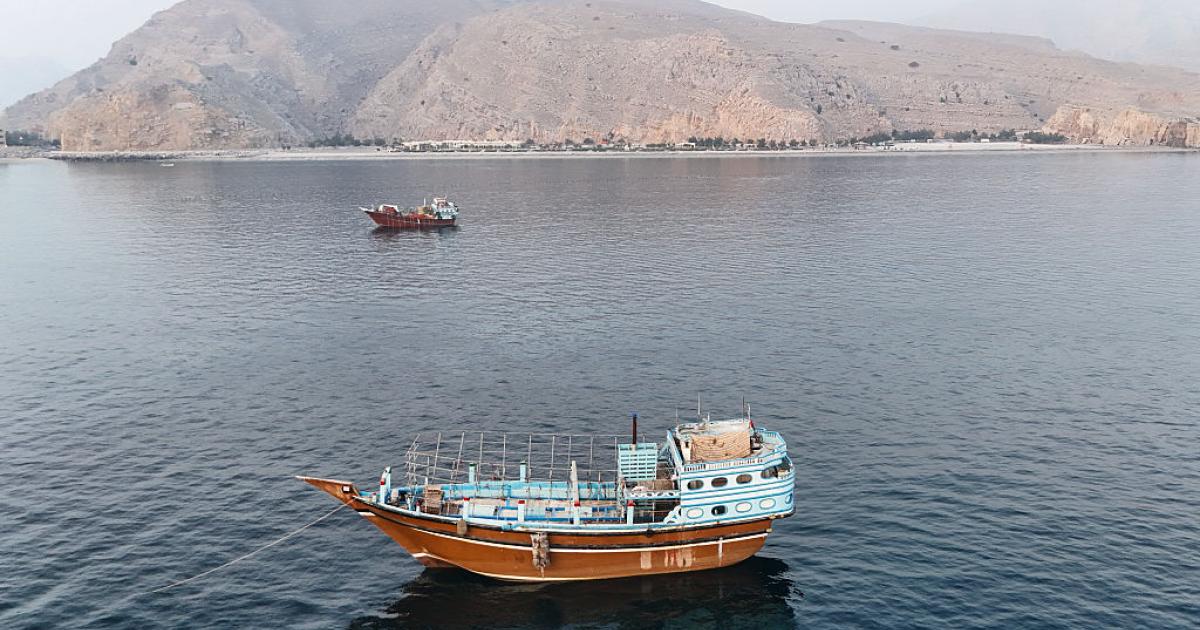
Since mid-March, Iranian forces have tightened their grip on the Strait of Hormuz, the most important shipping lane for oil and gas trade in the world. This move was not merely a show of force, but part of a calculated plan to limit the targeting of vital facilities deep within Iran by threatening to completely paralyze global energy movement.
At its core, the 'Triple Coercion' theory relies on attacking the weaker party in the adversary's equation to force them to retreat, which Tehran applied by targeting Gulf countries. Experts in deterrence strategies believe that Iran considered these countries the 'fragile link' through which pressure could be exerted on political decision-making in Washington, making them pay a heavy price.
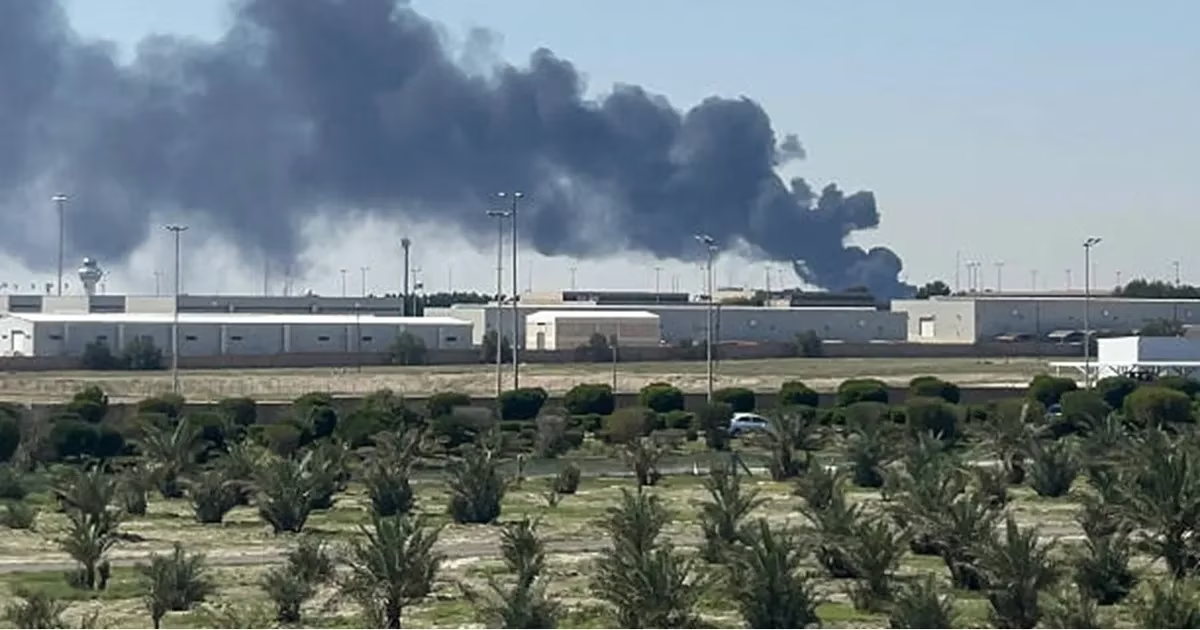
The major turning point occurred on March 18, when the Israeli occupation army bombed the 'South Pars' natural gas field. The Iranian response was immediate and unconventional, with Iranian drones and missiles targeting the 'Ras Laffan' facility in Qatar, as well as vital oil facilities in Saudi Arabia and Kuwait, thereby drawing new boundaries for the conflict.
This Iranian escalation directed against Gulf energy facilities led to a historic surge in oil prices, placing President Donald Trump's administration under immense domestic and international pressure. Washington then realized that continued absolute support for Israeli operations could lead to an uncontrollable global economic collapse.
In a surprising move, the American president quickly disavowed the Israeli attack on the Iranian field, asserting via social media platforms that the strike was not coordinated with his country. This American stance represented a clear tactical retreat, as Trump pledged to stop attacks on Iranian facilities in exchange for Tehran ceasing to target allies in the Gulf.
Observers believe that this moment was an implicit declaration of the success of the Iranian deterrence equation, as serious discussions began about setting a ceiling for military escalation. Despite continued skirmishes, the basic rules of engagement changed in favor of the party that was able to efficiently threaten international energy flows.
The field results showed that the United States and the occupation, despite their relative immunity to direct strikes, remain exposed to the targeting of their regional allies. Tehran cleverly exploited this loophole to achieve political influence that forced the White House into a direct negotiating path to end the crisis.
On April 8, a ceasefire agreement was reached, but it did not include the reopening of the Strait of Hormuz, leaving the strongest leverage in Iran's hands. All subsequent American attempts, including naval blockades and economic pressures, failed to force Tehran to relinquish control of the shipping lane.
The American administration launched what it called 'Operation Freedom' to secure the ships stranded in the strait, which numbered over a thousand cargo ships and oil tankers. However, Washington was forced to withdraw from this operation a few days later, a clear indication of its inability to confront Iranian threats in a complex geographical environment.
Researcher Nicole Grajewski confirms that Iran's ability to curb American power reflects a shift in regional power balances, where traditional military power is no longer sufficient to resolve conflicts. Tehran now possesses a geopolitical 'insurance policy' that prevents its adversaries from considering launching comprehensive attacks in the future.
The strategic implications of this confrontation extend beyond the current war, as it has solidified Iran's position as an indispensable party in any future security arrangements. Chatham House believes that prolonged control over maritime navigation has granted Tehran gains that it will leverage in any upcoming international negotiations.
In conclusion, this experience revealed deep flaws in American foreign policy and its ability to protect its allies in major crises. It is likely that other regional powers will resort to emulating the Iranian model of using 'indirect coercion' to counter Western influence, ushering in a new phase of hybrid conflicts.
Iran currently holds a clear advantage, while the United States appears to be in disarray as a result of targeting the weakest links in its alliance system.

Share your opinion
The 'Triple Coercion' Strategy: How Tehran Succeeded in Neutralizing American and Israeli Military Superiority?