







Robert Kagan, one of the most prominent theorists of American foreign policy, believes that the United States suffered a strategic and geopolitical defeat in its recent confrontation with Iran. Kagan points out that the American administration entered the conflict with flimsy expectations of a rapid collapse of the Iranian regime, similar to those that preceded the invasion of Iraq. However, the reality on the ground proved an unexpected Iranian resilience despite intensive bombing and targeting of leaders.
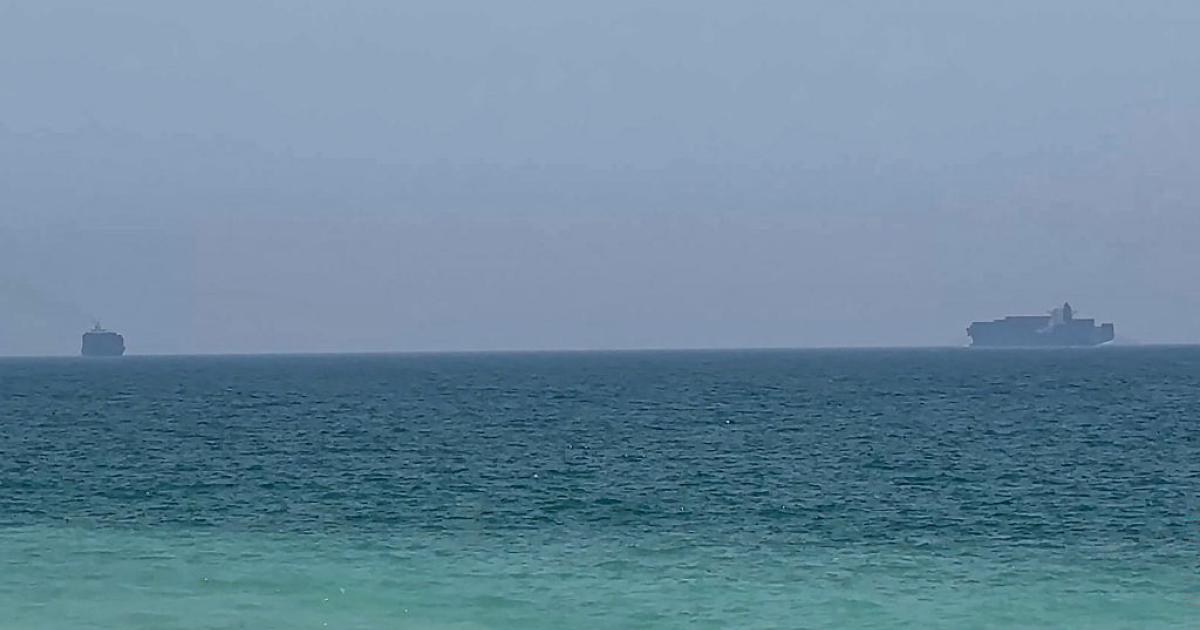
Iran's tight control over the Strait of Hormuz is considered the cornerstone of thwarting American plans, as the strait turned into a strategic pressure card that prevented Washington from imposing a new post-war reality. According to analyses, the inability to secure free navigation without making major concessions to Tehran put the American administration in a complex political and military predicament with its allies and adversaries alike.
Decision-makers in the White House backed away from comprehensive escalation options after military ambitions clashed with exorbitant and uncontrollable economic costs. The confrontation caused severe shocks to global oil markets and disruptions in stock exchanges, in addition to draining military resources that were allocated to counter the influence of China and Russia in other parts of the world.
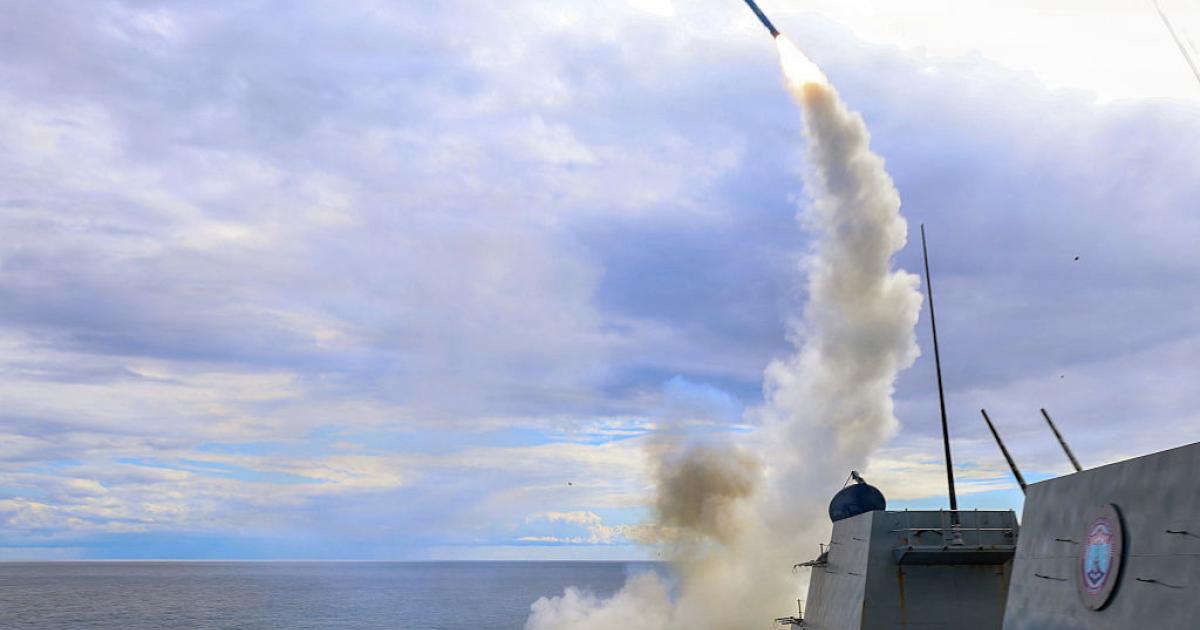
One of the most prominent indicators of American failure is the confusion in defining war objectives. It began with an ambitious slogan of 'regime change' then gradually receded to merely demanding the opening of the Strait of Hormuz. This dwindling of objectives coincided with a massive increase in military deployments, as the number of aircraft carriers and naval vessels participating increased without achieving any significant strategic breakthrough.
On the ground, reports based on satellite imagery revealed widespread destruction to 15 American military bases in the Gulf region and Iraqi Kurdistan. The damage included the destruction of more than 228 military facilities, including advanced radars, air defense systems, and command centers, forcing Washington to move some of its operational centers to within American territory.
This confrontation proved the failure of what was called the 'Freedom Project,' which aimed to break the Iranian blockade of the Strait of Hormuz by military force, as American naval vessels withdrew in the face of Iranian threats. Global shipping companies fear risking their giant ships given the ability of inexpensive Iranian drones to inflict hundreds of millions of dollars in losses in the heart of waterways.
Domestically, the American administration faced increasing popular and economic pressures as a result of the insane rise in fuel prices, with the price of a gallon of gasoline jumping to record levels exceeding $6 in some states. Sources reported that the American consumer bore an additional bill of $40 billion since the start of military operations, raising serious concerns about political repercussions in the upcoming elections.
Financial data indicate that the direct military operations managed by the Pentagon cost approximately $29 billion, a figure that burdens the federal budget amidst successive economic crises. Poor American families found themselves spending a large portion of their weekly income just to cover energy price differences, which increased public discontent against 'endless wars.'
In contrast, Tehran insists on its position rejecting any negotiations under pressure, stipulating a complete cessation of the war and lifting the naval blockade before returning to the negotiating table on the nuclear file. This Iranian insistence put Washington in an awkward position, as it is now looking for a 'safe exit' that saves face without having to engage in a comprehensive ground war rejected by the American people and Congress.
This conflict has led to a noticeable erosion of the credibility of American deterrence, as Gulf and European countries began to re-evaluate their security alliances after seeing the American inability to protect its bases and facilities. At the same time, China and Russia are closely watching this American attrition, as it opens the way for them to strengthen their influence in the Middle East at the expense of American decline.
Analysts confirm that the model Trump tried to apply in Iran, inspired by previous experiences, completely failed to read the social and political reality within Iran. Instead of an internal collapse or a popular movement supporting external intervention, military strikes contributed to strengthening support for the options of resilience and confrontation adopted by the leadership in Tehran.
The only remaining option for Washington to achieve its goals is to engage in a comprehensive ground and naval war aimed at occupying Iran, an option experts describe as 'almost impossible.' Such a step would require hundreds of thousands of soldiers and trillions in budgets, which completely contradicts electoral promises to end foreign military interventions and focus on the domestic economy.
Iran emerges from this round with clear political gains, having demonstrated its ability to disrupt international navigation and challenge the world's leading military power for more than two continuous months. This resilience not only changed regional power balances but also imposed new rules of engagement that make any future American military adventure fraught with existential risks to Western interests.
In conclusion, the United States today appears to be looking for a path to withdraw from a crisis whose keys to resolution it no longer holds, while Iran continues to impose its field and political conditions. The indicators of American strategic failure in this war will cast a long shadow over international politics for many years, perhaps signaling the end of an era of sole dominance over global energy security.
Iran emerges from this war politically stronger, not because it won militarily, but because it managed to endure without retreating in the face of the American military machine.
Share your opinion
Indicators of Strategic Failure: How Confrontation with Iran Drained American Influence?