







Chinese President Xi Jinping began his meeting with his American counterpart Donald Trump in Beijing by affirming that trade talks between the two superpowers are making tangible progress. Xi clarified during the two-day summit that cooperation is the only way to achieve the interests of both parties, while warning that confrontation would lead to severe damage affecting everyone.
In a firm message, the Chinese President stressed that the issue of Taiwan island represents the most sensitive and important matter in bilateral relations. He warned that any mishandling of this issue or continued military support for the island could push relations towards a very dangerous path, indicating the possibility of a direct clash if Beijing's red lines are not respected.
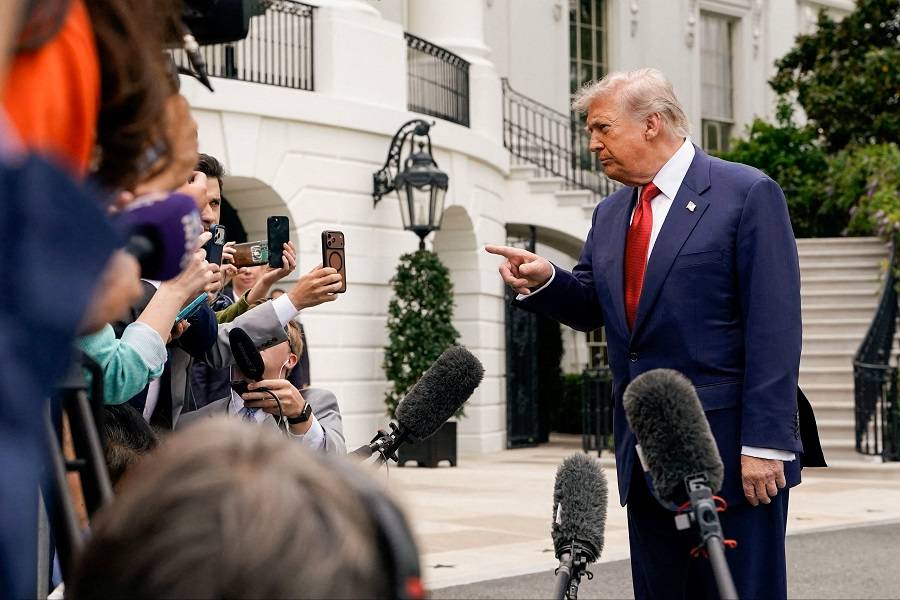
For his part, US President Donald Trump praised his Chinese counterpart, describing him as a 'great leader,' and suggesting that this summit could be classified as the most important diplomatic event in modern history. Trump expressed optimism about the anticipated results, despite the political and economic pressures facing his administration in Washington due to complex domestic and foreign issues.
The opening session saw a notable presence of US tech giants, as Trump was accompanied by Elon Musk, Jensen Huang, and Tim Cook. Musk described the initial atmosphere of the discussions as 'wonderful,' reflecting the American business sector's desire to end the state of trade tension and open new horizons for investment in the massive Chinese market.
This summit comes as a continuation of preliminary discussions held in South Korea, where sources reported that economic teams reached balanced initial understandings. Both sides aim from this round to solidify the trade truce agreed upon last October, and prevent the global economy from sliding into a new tariff war.
During his visit, President Trump seeks to push for 'full openness' for American industry within China, in an attempt to reduce the chronic trade deficit. Washington particularly looks forward to concluding massive deals including Boeing aircraft, energy products, and agricultural goods, which are top priorities on Trump's economic agenda.
In contrast, Beijing prioritizes easing strict US restrictions on the export of advanced electronic chip technology and semiconductors. China believes these restrictions hinder its technological development and demands fair treatment for its companies in global markets in exchange for the continued flow of rare earth metals to American factories.
After the first official session concluded, the two leaders made a symbolic visit to the historic Temple of Heaven in Beijing, a step aimed at demonstrating their personal rapprochement. Trump expressed his admiration for China's historical landmarks, while observers considered these protocol tours to reflect Beijing's desire to win over the US President and soften the tone of his escalating rhetoric.
Political analysts believe that the balance of power has shifted since Trump's previous visit, with the United States now recognizing China's status as an equivalent great power. Experts noted that the term 'Group of Two' (G2) has reappeared, reflecting a new international reality that requires direct coordination between Washington and Beijing to manage global crises.
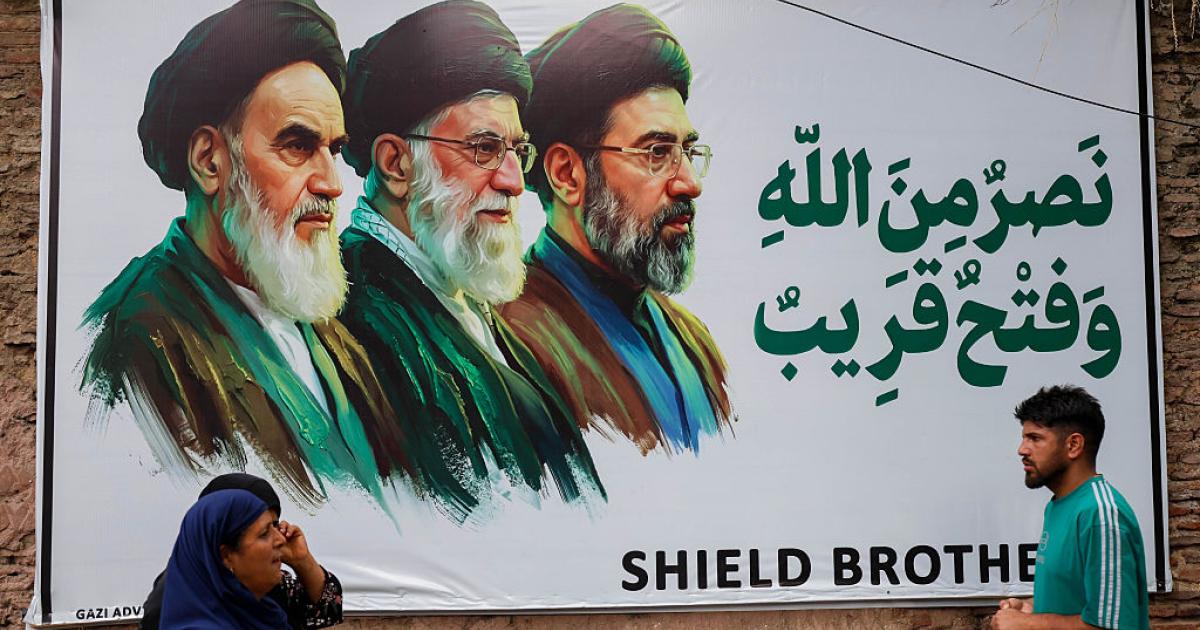
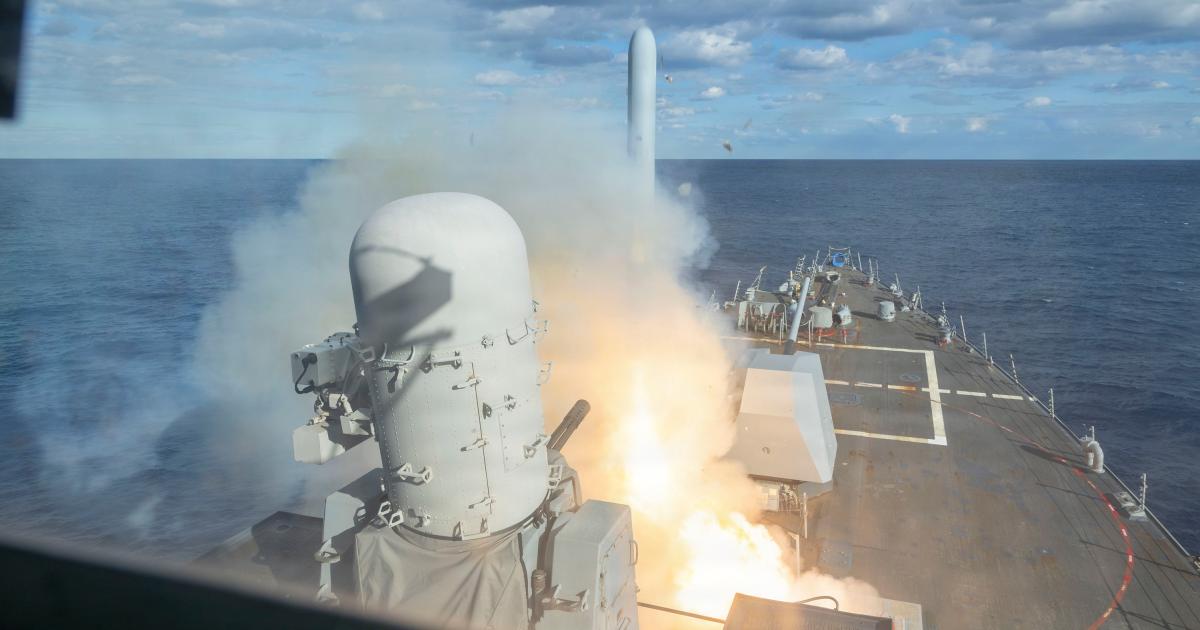
On the geopolitical front, Trump is expected to ask Xi Jinping to pressure Iran to reach an agreement that ends the current conflict in the Middle East. Washington bets that damage to Chinese commercial interests in the Gulf might push Beijing to play a mediating role, despite analysts' doubts about China's willingness to abandon the strategic card of Iran.
The US administration faces a legal challenge domestically, as courts have limited the President's powers to unilaterally impose tariffs. This situation puts Trump under pressure to negotiate for quick gains before the midterm congressional elections, especially with rising inflation rates resulting from international tensions.
Regarding the Taiwan issue, the estimated $14 billion US arms deal remains a stumbling block to full normalization of relations. Washington adheres to its legal commitment to arm the island for self-defense, which Beijing considers blatant interference in its internal affairs and a threat to its non-negotiable national sovereignty.
Discussions are expected to expand to include frameworks for cooperation in artificial intelligence and setting international standards for its use in military and civilian fields. Both parties seek to avoid a technological arms race that could destabilize global stability, while maintaining their respective technological superiority in this vital area.
The visit concludes with setting a timeline for an anticipated visit by President Xi Jinping to the United States later this year. This visit will be his first since Trump's return to the White House, signaling a new phase of intensive diplomacy between the world's two largest economies.
When we cooperate, both sides benefit, and when we confront, both sides suffer.


Share your opinion
Beijing Summit: Trump and Xi Discuss 'Trade Truce' and China Warns of Conflict Over Taiwan