







All eyes are on Washington, the American capital, where a new round of direct negotiations between Lebanon and Israel is scheduled to begin on Thursday and Friday. These meetings come in an attempt to achieve a political breakthrough under US sponsorship, amidst a wide gap in priorities between the two parties, with Lebanon focusing on solidifying the truce while Israel insists on the issue of disarming Hezbollah.
Official sources reported that the Lebanese side held intensive contacts with the American administration with the aim of pressuring Tel Aviv to reduce the military escalation. The past hours witnessed a significant expansion in the scope of Israeli targeting and the intensity of raids, reflecting an Israeli desire to exert maximum field pressure before sitting at the negotiating table.
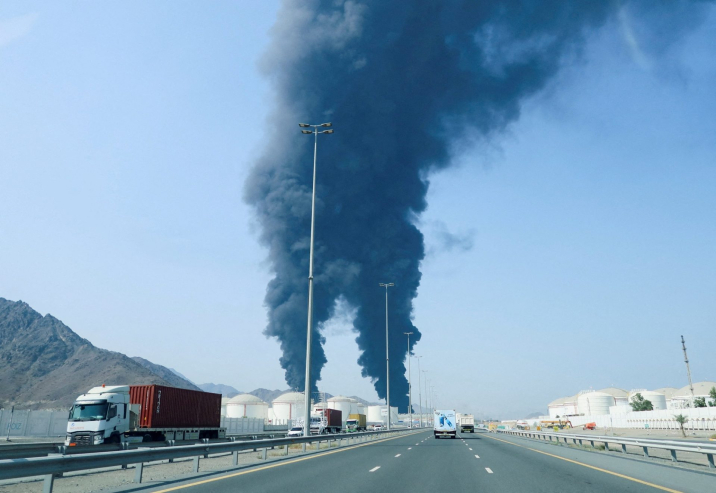
On the ground, reports confirmed that diplomatic efforts have not yet translated into calm, as Israeli aircraft continue to launch their raids in a clear violation of the truce agreement in effect since mid-April. In contrast, Hezbollah continues to carry out military operations against invading Israeli forces, with its drones posing a worrying threat to the occupation's military movements.
The Lebanese side in this round is represented by Simon Karam, while the Israeli delegation is headed by Yehiel Leiter, in what is the third such meeting in the direct negotiation process that resumed after decades of interruption. This round comes at a very sensitive time, as Israel seeks to integrate military and political tracks to extract fundamental concessions from the Lebanese government.
Observers and analysts believe that Israel is adopting a strategy of 'negotiations under fire,' refusing to separate the continuation of military operations from the diplomatic track. This policy aims to impose Israeli dictates on the Lebanese state and Hezbollah, exploiting air superiority and destructive power to force the other party to accept harsh security conditions.
Through this escalation, Benjamin Netanyahu's government seeks to establish a new security equation that allows it to launch attacks inside Lebanon even if a ceasefire agreement is reached. The Israeli government sends messages to its internal audience that it will not stop until Hezbollah's military capabilities are destroyed and what it describes as absolute security for the residents of the northern areas is ensured.
The Israeli delegation is expected to bring radical demands to Washington, foremost among them the actual dismantling of Hezbollah's weapons and the removal of its fighters from border areas. Estimates also indicate that Israel will demand the continued presence of its forces in some Lebanese points until the Lebanese army takes practical steps to disarm, which could spark an internal crisis in Beirut.
In addition to security issues, experts believe that Israel will reopen the file of maritime border agreements and maritime demarcation, as well as issues of gas and oil exploration in the Mediterranean. Netanyahu aims to achieve a 'political and economic achievement' by raising these issues, which can be marketed to Israeli society as part of the gains of the ongoing war.
In a related context, Tel Aviv is cautiously monitoring the results of ongoing talks between Washington and Tehran, betting on their failure to resume a full-scale war on Lebanon. Israeli circles believe that any setback in the regional diplomatic track will give them the green light to return to the pace of comprehensive military operations that preceded the last truce agreement.
Israel seeks to impose an equation based on a ceasefire while retaining the right to launch continuous military attacks on Lebanese territory.
Share your opinion
Washington Negotiations Under Escalation: Israel Imposes Its Terms on Lebanon with Fire