







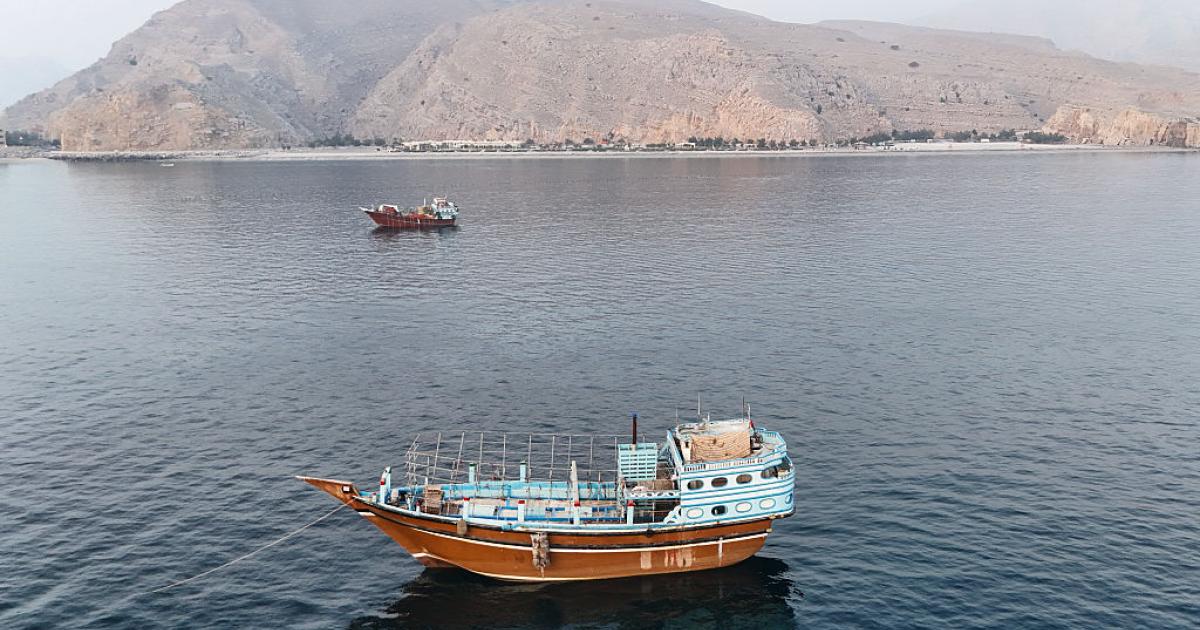
An analytical report published by The New Yorker magazine revealed the complexities of the political and military landscape between the United States and Iran, indicating that obstacles to a lasting agreement have increased since the ceasefire was announced last April. Tehran categorically refuses to reopen the vital Strait of Hormuz to international navigation, stipulating that the Israeli occupation reach a final and comprehensive ceasefire agreement in Lebanon, while insisting on keeping the waterway under its direct control.
In response to Iranian intransigence, the US administration imposed a strict naval blockade on Iranian ports in an attempt to extract economic concessions that would ensure the flow of global oil. This escalating conflict has led to severe disruptions in global supply chains, with oil prices soaring to record levels of $126 per barrel, exacerbating the international economic crisis despite the military truce holding in its broad outlines.
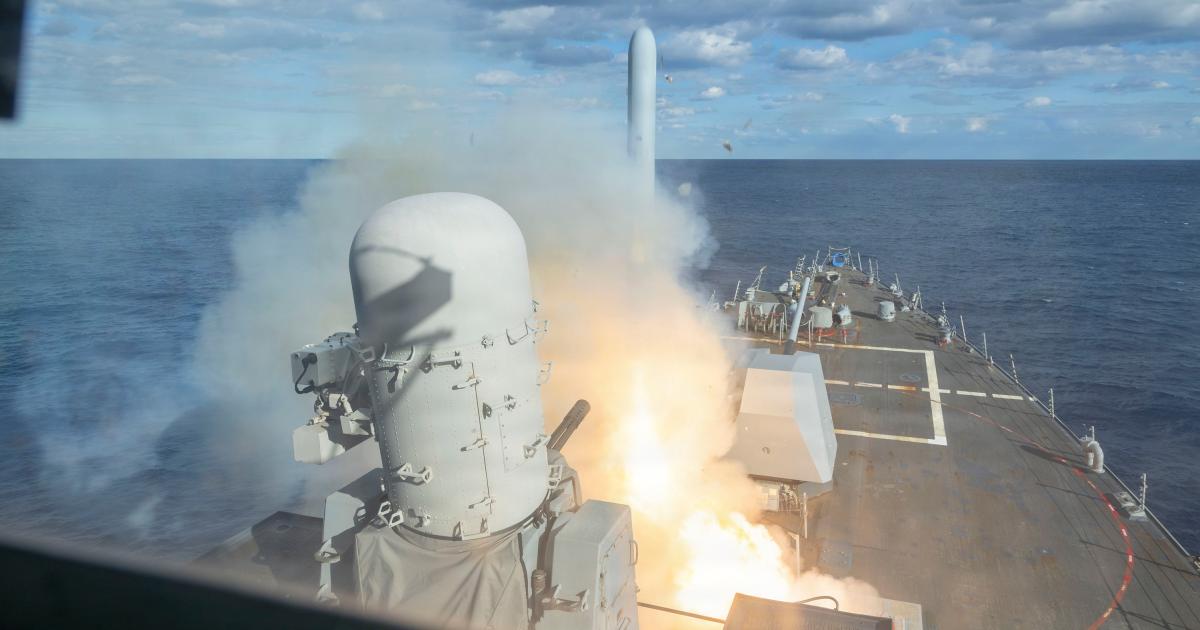
The escalation on the ground did not stop at the blockade; the Trump administration launched what it called 'Operation Freedom,' a military operation aimed at forcibly securing the passage of commercial ships through the Strait of Hormuz. Tehran responded to this move with missile and drone attacks targeting Washington's allies in the region, including vital energy facilities in the UAE, as well as direct targeting of US Navy vessels.
Military sources reported that US forces destroyed Iranian fast boats and intercepted cruise missiles and drones during the first weeks of the supposed truce. General Dan Kane, Chairman of the Joint Chiefs of Staff, stated that Iran carried out more than ten attacks against US assets and seized container ships, describing these moves as 'low-level' harassment that has not yet escalated into an all-out war.
For his part, US Secretary of Defense Pete Hegseth affirmed that the ceasefire remains in effect despite repeated Iranian violations against US personnel and regional allies. This stance raises the astonishment of international observers who see the continuation of attacks as an indicator of the fragility of agreements concluded by the Trump administration, which lack real security guarantees to prevent the renewal of widespread conflict.
Experts in international conflict resolution believe that Trump's approach relies on 'tactical truces' instead of deep structural solutions, where economic influence and military threats are used to temporarily halt fighting without addressing the root causes of the crisis. This method leads to a situation characterized by 'no war, no peace,' where a major explosion is postponed rather than defused permanently through traditional diplomatic channels.
Unlike previous administrations that relied on armies of professional diplomats and negotiators, Trump's team is led by figures with real estate investment backgrounds such as Jared Kushner and Steve Witkoff. Analysts say this team seeks 'quick wins' and photo opportunities that serve political propaganda, ignoring the historical and psychological complexities of adversaries in the Middle East.
In a related context, Trump boasts the title of 'President of Peace,' claiming to have ended ten wars around the world, including conflicts in the Caucasus, Africa, and Asia. However, facts on the ground indicate that most of these agreements have not led to lasting stability, but rather remained mere freezes of conflicts that are still capable of igniting at any moment due to the absence of comprehensive political solutions.
In the Palestinian arena, observers believe that the 'Twenty-Point Plan' sponsored by Trump between the occupation and Hamas only achieved the release of hostages while postponing fundamental issues. Sources reported that occupation raids have killed hundreds of Palestinians since the agreement was signed, while Gaza continues to suffer from severe division and increasing Israeli military control, which empties the term 'ceasefire' of its meaning.
In Lebanon, the agreement, for which Trump took credit, did not prevent the continuation of military operations, with about 400 killed since last April due to occupation raids. Occupation forces continue to destroy villages in southern Lebanon, while Hezbollah responds by targeting settlements, reinforcing the conviction that these truces are merely a warrior's rest for the repositioning of warring powers.
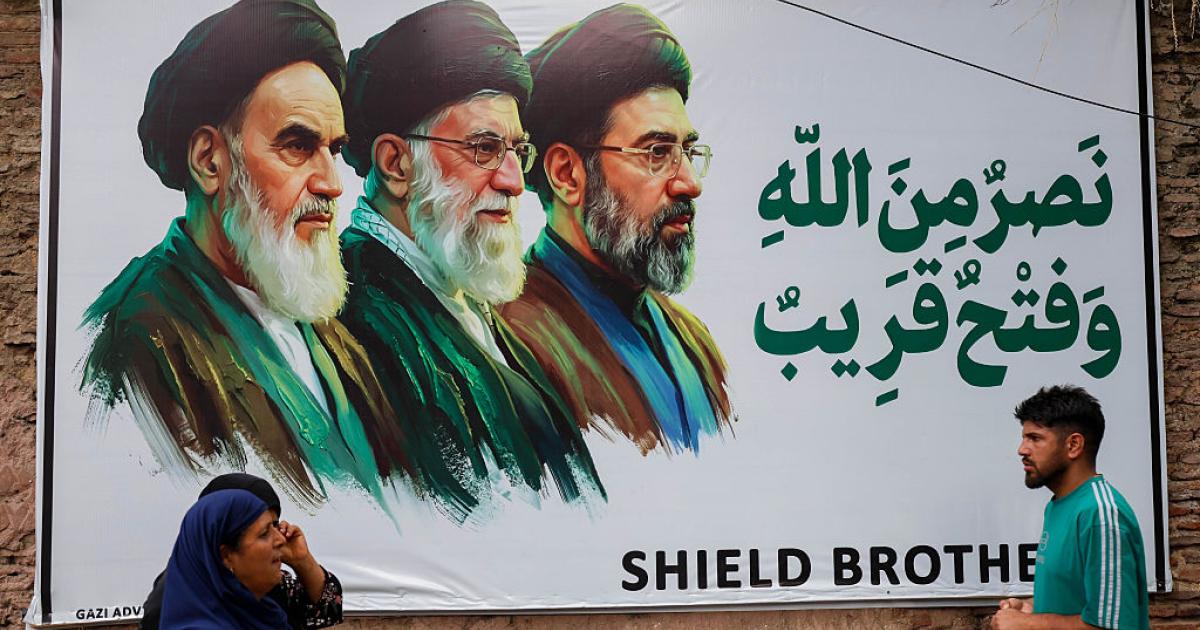
Reports indicate that Iran views the occupation's repeated violations of truces in Gaza and Lebanon with great suspicion, fearing that it may be the next target of the 'permanent war' strategy. Trita Parsi, an expert on Iranian affairs, believes that Tehran will not accept partial agreements that allow the occupation to shift the weight of the conflict from one front to another, but rather seeks to impose a new security reality that protects its strategic interests.
US diplomacy currently faces what is known as the 'pressure paradox,' where Trump's increasing threats lead to increased defiance by the Iranian regime instead of submission. Iranian Parliament Speaker Mohammad Bagher Ghalibaf expressed this trend by emphasizing that the continuation of the current situation is unacceptable to Washington, hinting that Tehran has not yet used all the cards of power it possesses.
International research centers warn that the absence of institutional diplomatic work and its replacement by 'real estate deal logic' puts the region at risk. While Secretary of State Marco Rubio is absent from field movements, the role of neoconservatives in Washington who push for a comprehensive confrontation and regime change in Iran stands out, which contradicts Trump's promises to end wars.
Ultimately, the gap remains vast between Washington's demands for Iranian nuclear disarmament and the opening of the straits, and Tehran's demands for the lifting of sanctions and security guarantees. As long as the Trump administration continues to use the ceasefire as a 'stick' for pressure rather than a bridge to peace, the chances of a major confrontation remain strong in a fragmented international system.
The Trump administration prioritizes tactical truces over structural change; we suppress symptoms while the disease persists.
Share your opinion
Trump's Middle East Approach: Tactical Truces Fuel a 'No War, No Peace' State