






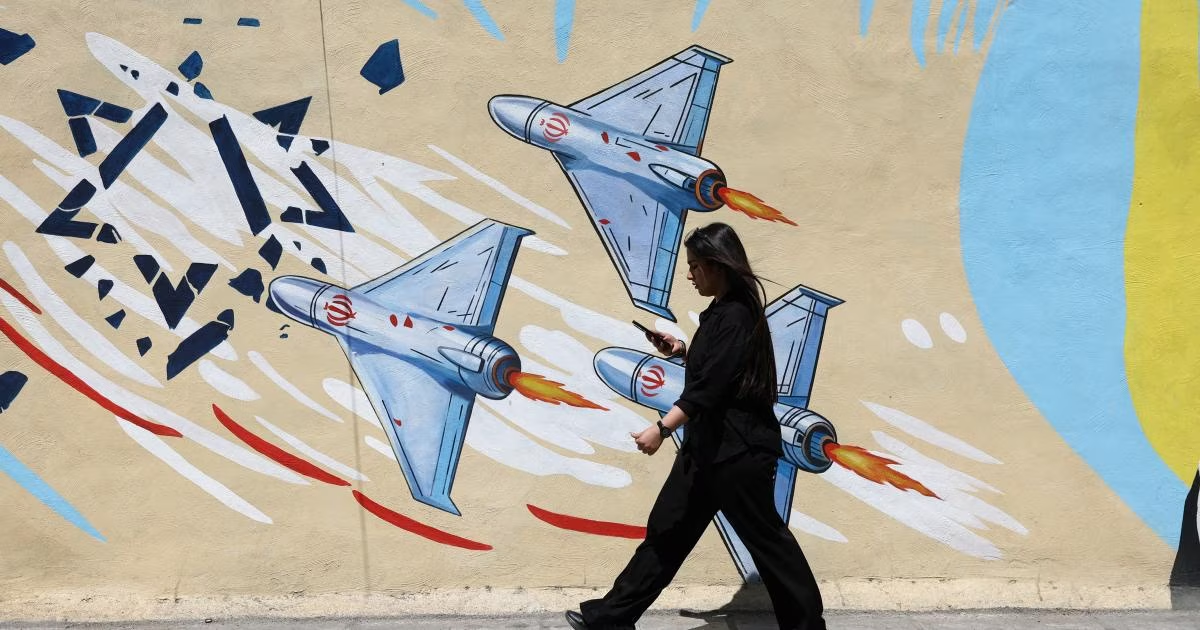
Recent security and political assessments increasingly point to the imminent return of direct military operations between the United States and the Islamic Republic of Iran. This escalation comes amidst intense discussions within Western circles about the nature of targets that might be hit in upcoming strikes, and Washington's ability to contain a confrontation that could extend to the Gulf region and vital waterways.
In this regard, David Sidney, who previously served as Deputy Assistant Secretary of Defense, revealed the existence of multiple scenarios placed on the decision-making table in Washington. Sidney indicated that the current approach goes beyond mere limited retaliation, as Israeli Prime Minister Benjamin Netanyahu is pushing for a comprehensive destruction option targeting Iran's military capabilities and sensitive infrastructure.
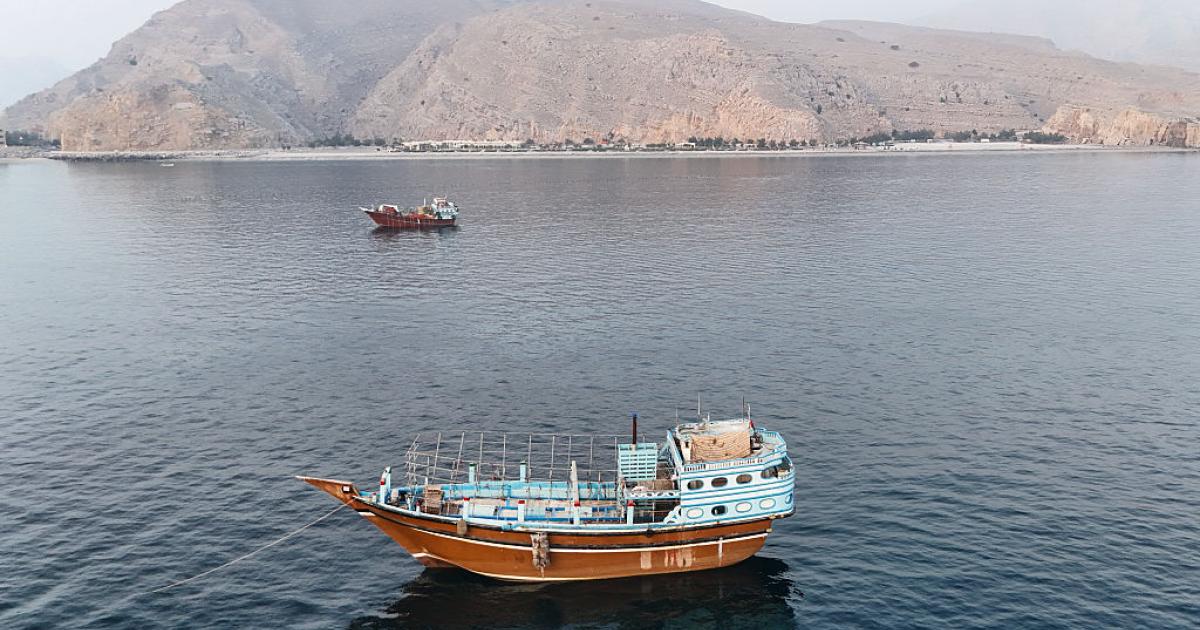
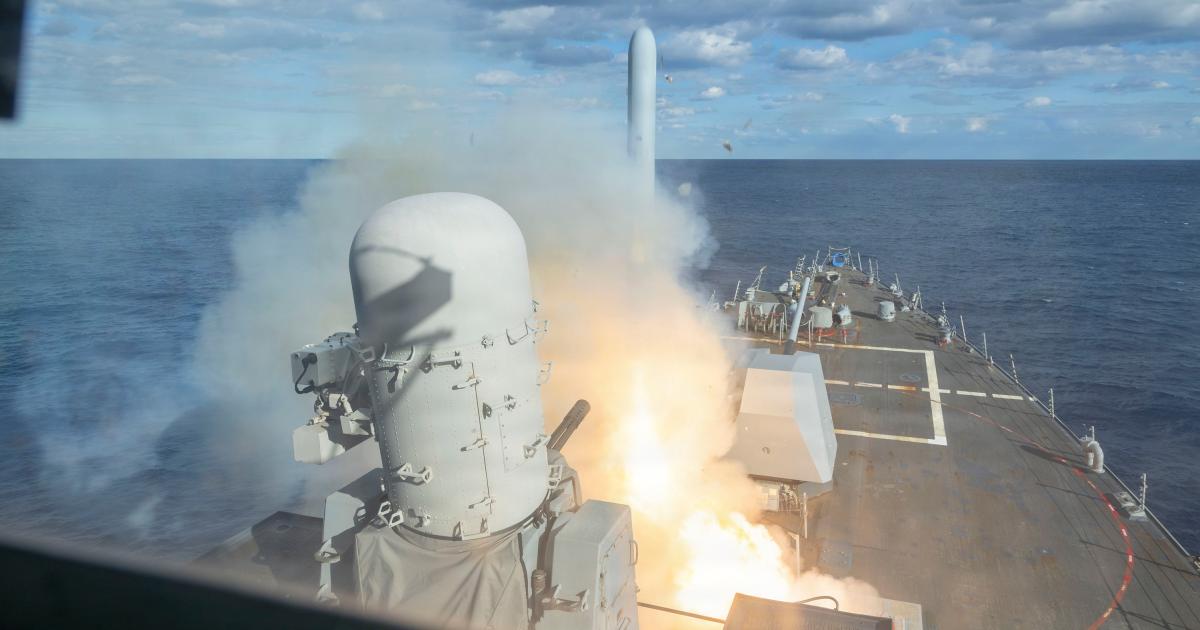
The former US official explained that there is a list of strategic Iranian targets that have not been bombed yet, opening the door to what he described as the 'third option.' This path includes targeting Iranian military assets stationed in the Strait of Hormuz and carrying out qualitative operations by special units to disable platforms from which attacks are launched towards neighboring countries.
For its part, field sources in the capital Tehran observed a noticeable decline in diplomatic language versus a rising tone of military mobilization and readiness for confrontation. The sources reported that current indicators are pushing towards a third round of direct confrontation with the United States, especially with reports circulating confirming Tehran's recovery of 90% of its previously damaged missile arsenal.
On the analytical front, military experts believe that the United States, despite possessing a qualitative advantage represented by aircraft carriers and smart weapons, faces a complex strategic dilemma. The upcoming confrontation may not be traditional, forcing the US administration to seek swift and more intense strikes to avoid sliding into a long-term war of attrition.
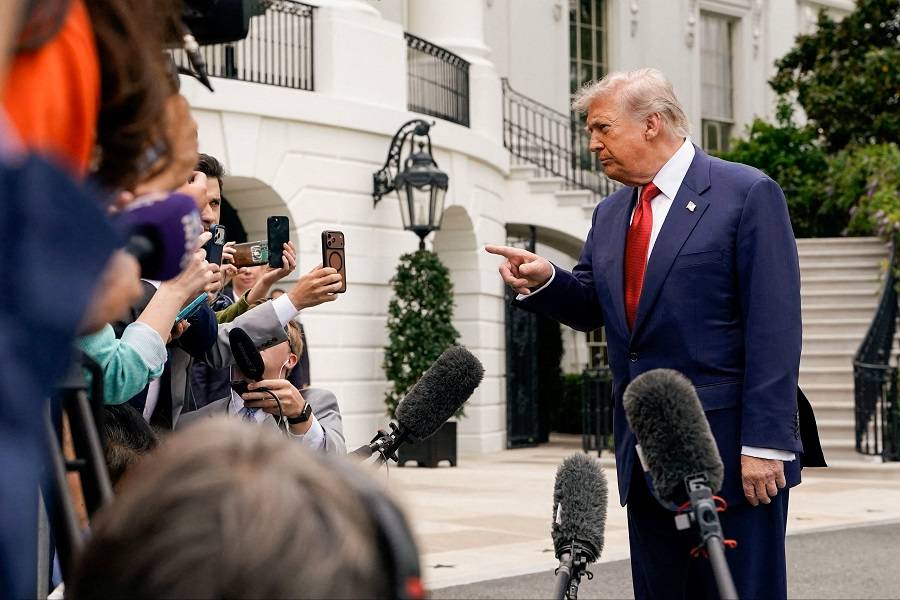
Analysts believe that US President Donald Trump is currently seeking a 'military victory' image to bolster his political position, but at the same time, he is looking for a safe exit strategy. This contradiction explains US hints about the possibility of a limited military action, while emphasizing no rush to conclude any new political agreements with the Iranian leadership.
In contrast, Tehran does not appear to be idle, as data indicates extensive repositioning operations of Iranian forces in preparation for an 'asymmetric war.' These movements aim to reduce losses from any concentrated air strikes, while maintaining the ability to respond across wide geographical areas including the Gulf of Oman and the Arabian Sea.
Emerging on the horizon are features of a military operation that might be named 'Freedom Project Plus,' which could aim to strip Iran of its naval and air capabilities in coastal areas. Observers also do not rule out the possibility of surgical and limited ground operations, if accurate intelligence information is available about uranium storage sites or sensitive nuclear facilities.
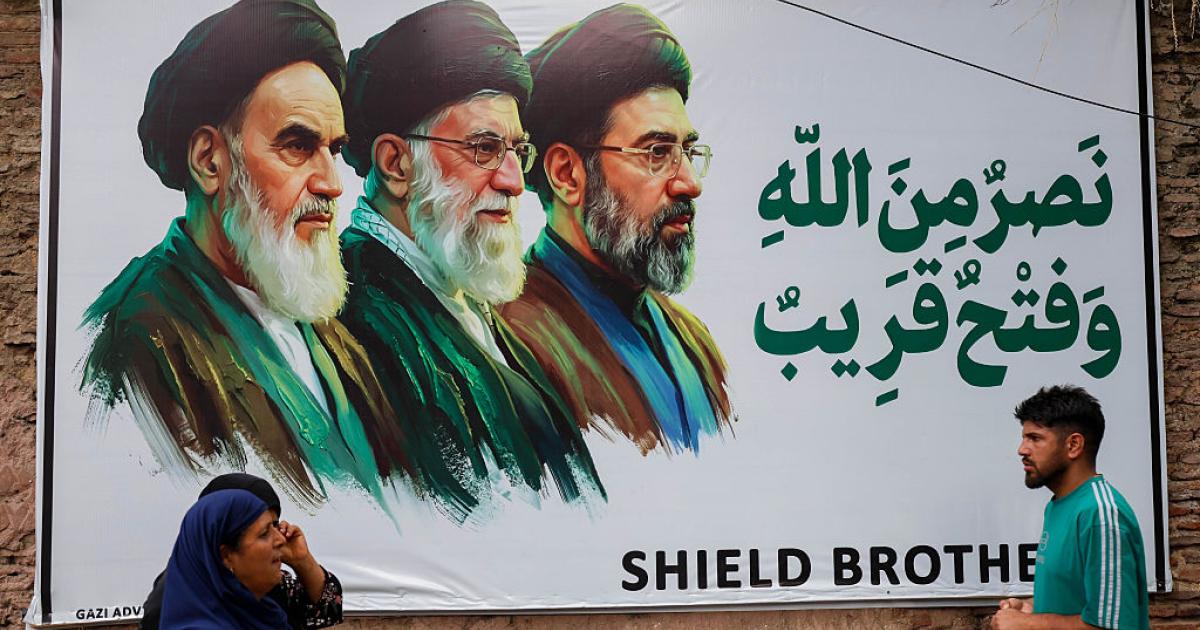
On the political track, Tehran has set what were described as impossible conditions for starting any new round of negotiations aimed at building trust with the American side. These conditions included the necessity of a comprehensive cessation of military operations on all fronts, including Lebanon, and a complete and immediate lifting of all economic sanctions imposed on the country.
The Iranian government also demanded the release of all frozen funds in international banks and financial compensation for damages incurred as a result of previous military operations. The fifth condition stands out as one of the most sensitive points, as Tehran demands explicit international recognition of its full sovereignty over the Strait of Hormuz, which Washington and its allies reject.
In conclusion, the situation in the region remains open to all possibilities, with military efforts racing against faltering diplomatic attempts. While Washington insists on clipping Iran's military claws, Tehran adheres to its sovereign conditions, making direct confrontation an option that takes precedence in the absence of effective dialogue channels.
There are Iranian targets that have not yet been hit, and the third option includes targeting assets in the Strait of Hormuz to ensure its opening and secure international navigation.
Share your opinion
Omen of All-Out Confrontation: US Scenarios for Striking Deep Inside Iran and Tehran's Conditions for De-escalation