






Informed sources revealed intensive diplomatic moves led by the White House to reach an imminent agreement with Tehran that would end the current state of war. These understandings revolve around a one-page memorandum aimed at setting a timeframe for expanded negotiations addressing the nuclear file and regional security.
Media reports, quoting American officials, stated that the anticipated memorandum would officially announce a cessation of hostilities and the start of a month-long negotiation marathon. This dialogue will focus on mechanisms for reopening the Strait of Hormuz to international navigation and lifting economic sanctions imposed on Tehran.
The initial agreement's terms include a clear Iranian commitment to suspend all uranium enrichment activities as a gesture of goodwill. In return, the United States will lift financial restrictions and release billions of dollars of Iranian assets that were frozen in international banks.
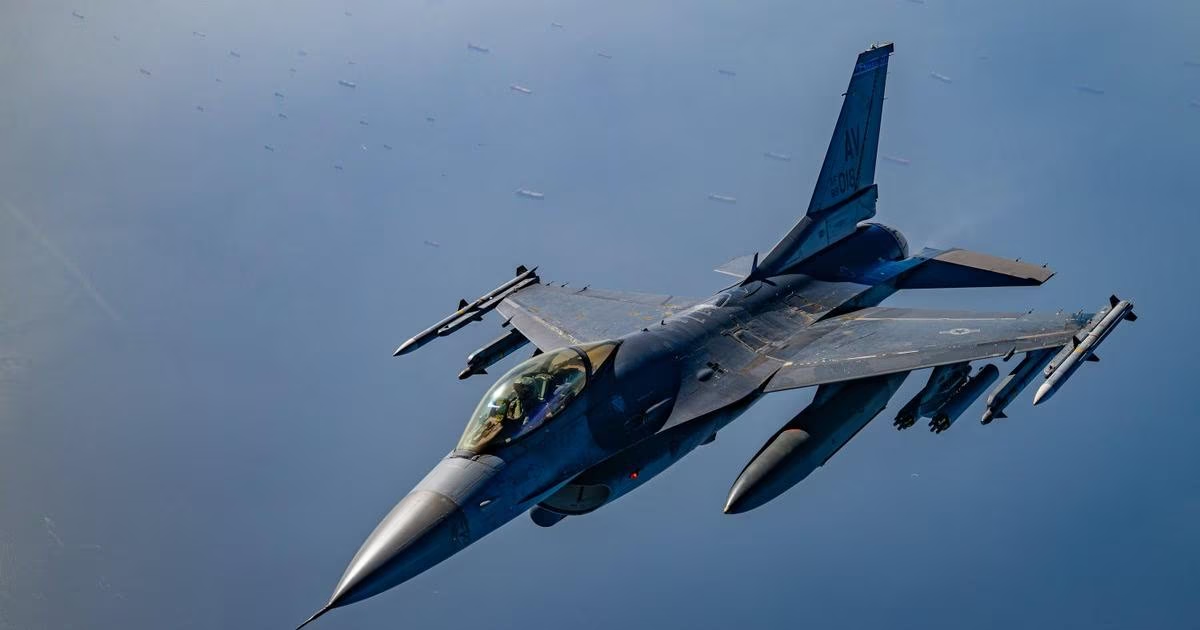
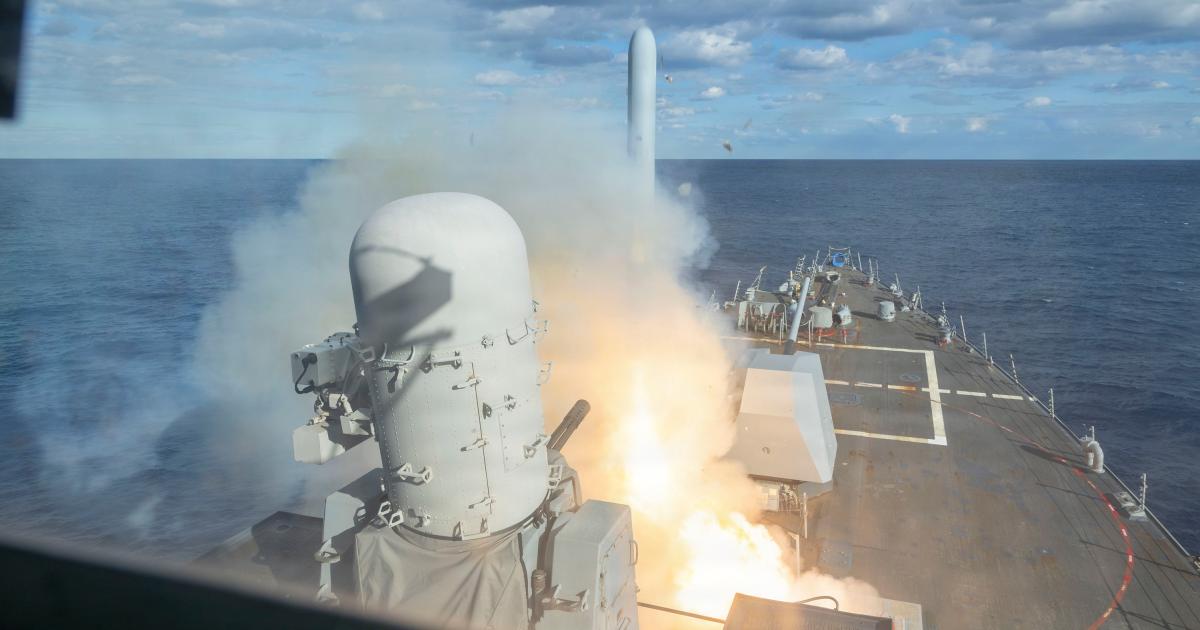
In a related context, President Donald Trump announced the suspension of the military operation 'Project Freedom,' which aimed to escort commercial vessels through the Strait of Hormuz. Trump explained that this decision came in response to international mediations, most notably from Pakistan, to make way for diplomatic solutions.
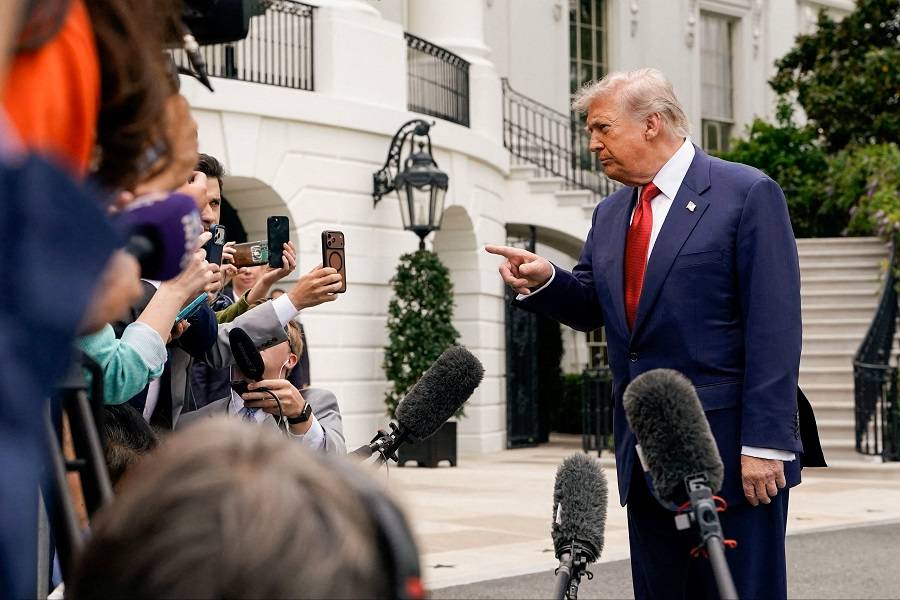
The American president confirmed via his social media platform that tangible progress had been made towards drafting a final and comprehensive agreement with the Iranian leadership. However, he stressed that the naval blockade imposed on Iranian ports since mid-April would remain in effect until further notice.
Political circles in Washington are awaiting an official response from Tehran within the next forty-eight hours regarding key points in the draft agreement. This deadline is considered crucial for determining the fate of de-escalation and whether the region will move towards stability or renewed escalation.
For his part, Trump urged the Iranian side to make a 'smart' decision that would end the suffering resulting from the war, emphasizing his unwillingness to launch new military strikes. He indicated that the primary goal is to prevent bloodshed and reach a formula that guarantees the security of international waterways.
On the military front, Defense Secretary Pete Hegseth clarified that US forces are not seeking to open direct confrontation fronts in the Gulf region. However, he warned at the same time that any targeting of American interests would be met with a firm response and devastating firepower that exceeds expectations.
These developments come days after Washington launched military operations to secure the passage of ships, which increased tensions in the region. International mediators are now seeking to ensure both parties adhere to the terms of the initial memorandum to avoid the region sliding into a widespread regional conflict.
We have agreed that while the blockade will remain fully in effect, 'Project Freedom' will be briefly suspended to see if an agreement can be signed.

Share your opinion
Washington and Tehran approach 'memorandum of understanding' to end war and open Strait of Hormuz