






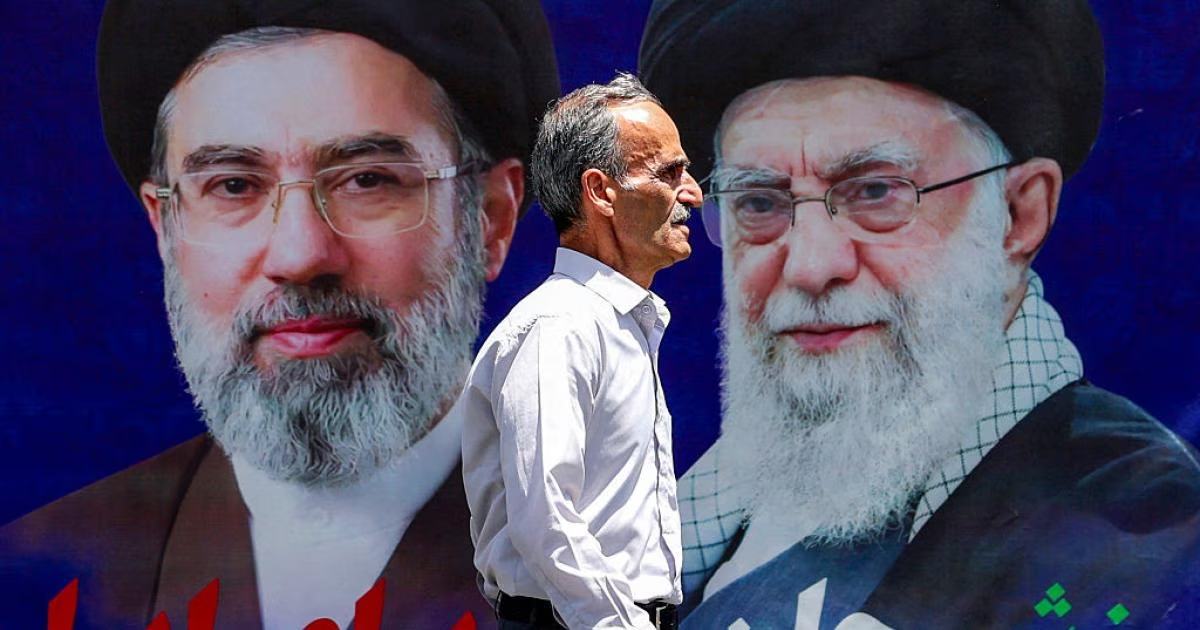
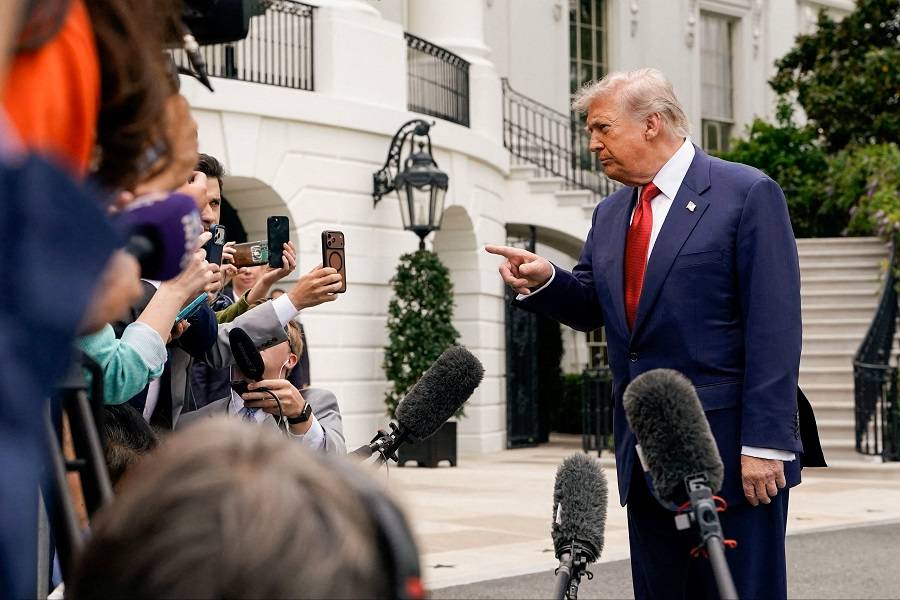
US President Donald Trump issued a stern warning to the Iranian leadership, asserting that Tehran would face military strikes exceeding in intensity and scale anything it had witnessed in its previous confrontations with the United States and Israel. This threat came in the event of a failure to reach a final agreement that would put an end to the ongoing military tensions in the region.
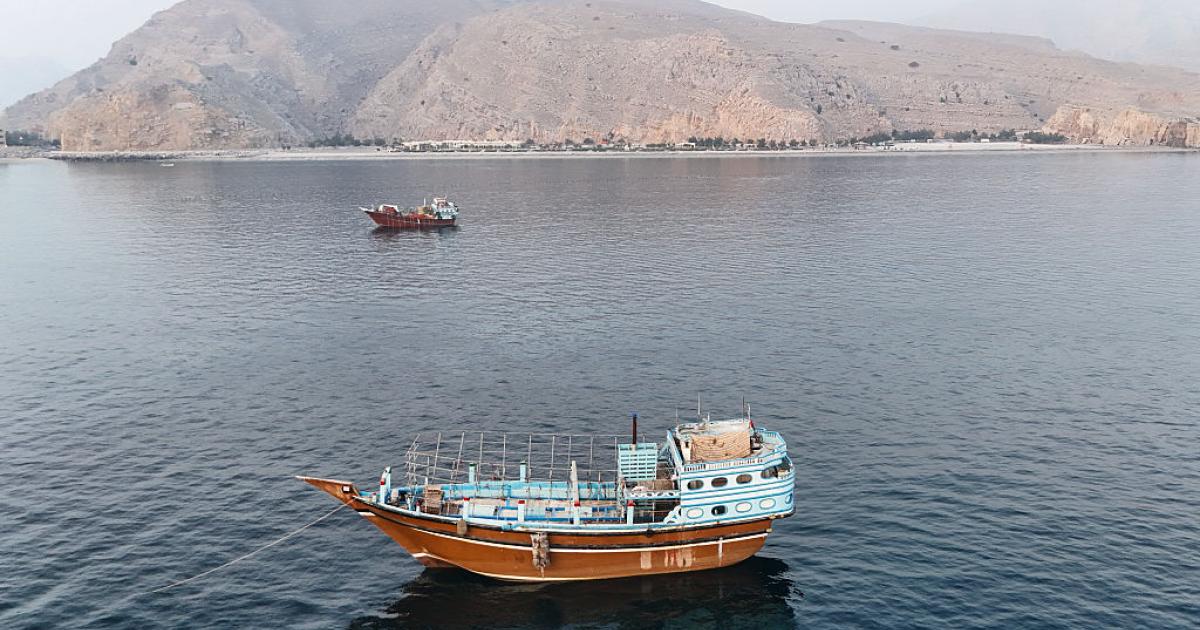
Trump clarified via his 'Truth Social' platform that the conclusion of the military operation, dubbed 'Epic of Wrath,' is contingent upon Iran's full commitment to what will be agreed upon. He indicated that the effective blockade currently in place might be lifted to allow the Strait of Hormuz to open for international navigation, including Iranian vessels, should this commitment be met.
In a related context, press sources quoted Trump as saying that discussions about direct negotiations with Tehran are still premature at this time. These statements coincide with reports revealing that both parties are close to drafting a concise memorandum of understanding aimed at establishing a framework for ending the raging state of war.
For its part, the Iranian Revolutionary Guard Navy announced that ensuring safe passage through the Strait of Hormuz is directly linked to halting American threats and implementing new regulatory measures. Tehran expressed its appreciation for the crews of ships that adhered to Iranian regulations during the period of tension, in its first comment on Washington's suspension of assistance operations for stranded vessels.
Political observers believe that the current scene reflects a dual dynamic relying on both the negotiation track and military pressure simultaneously. While diplomatic channels continue to exchange proposals, field movements are being used as a tool to improve negotiation terms and compel the other party to make substantial concessions.
Leaked information indicates that Iran has presented a comprehensive 14-point offer, including a freeze on uranium enrichment for up to 15 years. The offer also included proposals to address the 60% enriched uranium stockpile, either by reducing enrichment levels or transferring it out of the country in exchange for lifting the economic blockade.
Despite Trump's rejection of some of these points via social media, the US administration has not yet issued an official rejection. This silence suggests that negotiation channels remain open, and discussions are ongoing behind the scenes regarding the complex contentious points preventing a final formula from being reached.
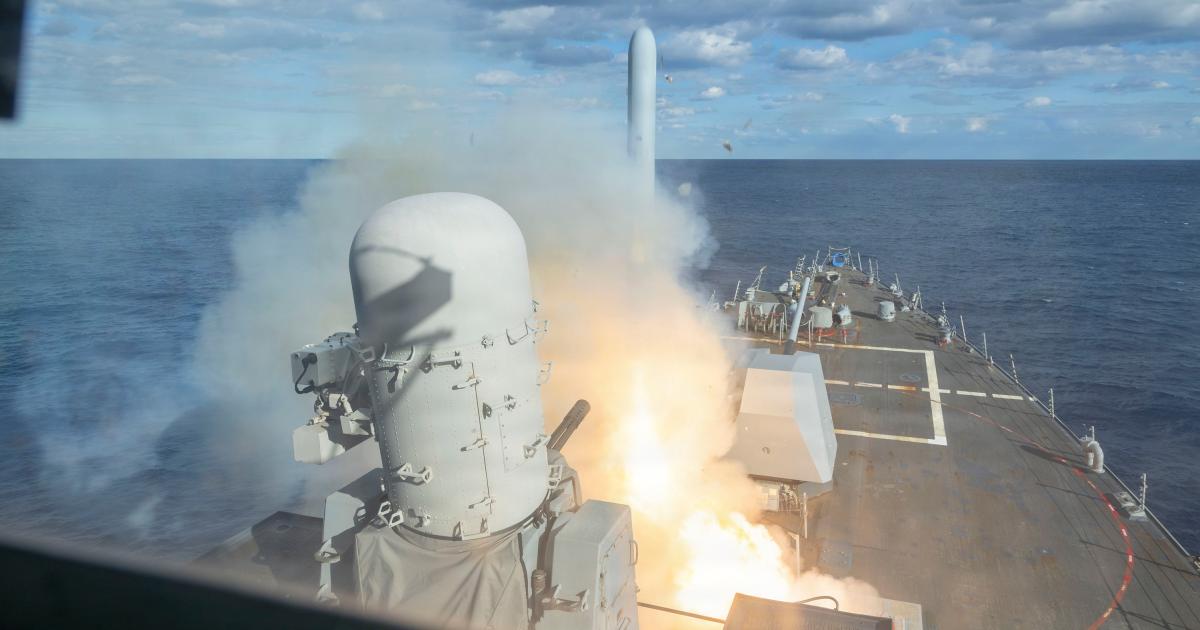
Washington recognizes that resolving the Strait of Hormuz issue militarily faces significant geographical and technical complexities due to Iranian tactics relying on mines and fast boats. Therefore, the American 'Freedom Project' appears to aim at exerting negotiating pressure to create safe passages rather than attempting to completely break Iranian control.
Recent hours have seen signs of a 'breakthrough' in some pending issues, leading to a temporary suspension of some military operations to allow diplomacy a chance. This development reflects a rearrangement of the tools used, where military pressure is balanced with international political moves led by mediating parties.
China emerges as a pivotal player in these mediations, especially after Iranian Foreign Minister Abbas Araghchi's recent visit to Beijing. It is believed that these diplomatic moves have contributed to narrowing viewpoints and carried reassuring messages that could lead to a breakthrough in the current stalemate between Washington and Tehran.
The United States holds onto the economic blockade as a primary pressure tool, given its profound impact on the Iranian economy, which suffers from severe inflation and currency collapse. Washington wants to start with an agreement on the nuclear file first, while Tehran insists on a gradual approach beginning with lifting the blockade and opening the strait.
Ultimately, both parties realize that the cost of a comprehensive military confrontation would be prohibitive and undesirable, making the negotiation option the only available path. However, this process remains vulnerable to collapse at any moment, especially since the governing principle of negotiations is 'agree on everything or nothing.'
If Iran does not agree, the bombing will begin, and it will be at a much higher level and intensity than before.
Share your opinion
Trump threatens 'unprecedented bombing' of Iran, conditions comprehensive agreement for opening Strait of Hormuz