







US President Donald Trump revealed his administration's intention to review its military presence in Germany, hinting at the possibility of reducing the number of troops stationed there in the near future. This announcement came via his 'Truth Social' platform, where he indicated that the final decision on this reduction would be issued shortly, raising questions about the future of defense cooperation between Washington and Berlin.
Official data from the Congressional Research Service indicates that the United States had more than 35,000 troops deployed at German bases until 2024. However, German media reports confirm that the actual number may be much higher, estimated at around 50,000 military personnel, making Germany a strategic hub for US forces on the European continent.
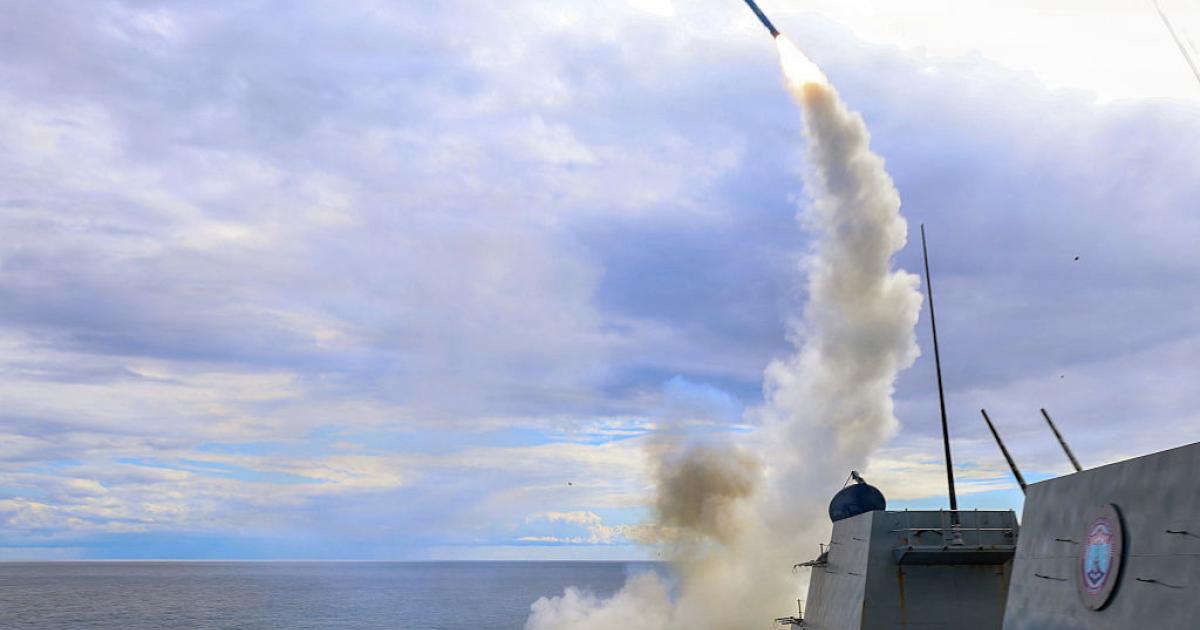
Observers link this US approach to Washington's dissatisfaction with allies who have not shown sufficient support for US-Israeli military actions against Iran. It appears that the White House is moving to use the military forces issue as a pressure tool on countries that have not actively participated in the international freedom of navigation guarantee force in the strategic Strait of Hormuz.
In the context of diplomatic moves, US Secretary of State Marco Rubio held a phone call with his German counterpart, Johann Wadephul, to discuss the rapidly developing situation. Official sources reported that the talks primarily focused on the ongoing military operations in Iran and the necessity of securing vital waterways affected by the escalating regional conflict.
The tension escalated after Trump directed scathing criticism at German Chancellor Friedrich Merz, accusing him of not realizing the seriousness of Iran's nuclear ambitions. Trump's attack came in response to statements by Merz in which he considered that Tehran had succeeded in 'humiliating' Washington during the recent negotiation rounds, which angered the US President.
For his part, German Chancellor Friedrich Merz tried to calm the atmosphere during a press conference held in Berlin, emphasizing that differences in views do not spoil the goodwill with Washington. Merz stressed that his personal relationship with the US President remains strong, despite fundamental differences in assessing thorny issues in the Middle East.
Merz explained that Germany and Europe in general bear heavy economic and security consequences as a result of the US-Israeli war on Iran, which prompted him to express his doubts about this war since its inception. The German Chancellor believes that diplomatic dialogue must remain a parallel path to military actions to avoid a collapse of regional stability.
These threats recall Trump's policy during his first term, where he consistently criticized NATO allies for what he described as weak financial and defense contributions. However, the direct link this time to the Iran issue gives the escalation a different character, as Washington seeks to rally a unified international front behind its new military strategy.
Anticipation remains the order of the day in German political circles, awaiting the outcome of the US review of troop numbers and its impact on security balances in Europe. If the reduction is implemented, Berlin may be forced to re-evaluate its defense doctrine and seek alternatives to compensate for the vacuum that the withdrawal of some US forces might leave.
The United States is studying and reviewing the possibility of reducing troop numbers in Germany, and a decision will be made in the near future.
Share your opinion
Trump threatens to withdraw US troops from Germany amid tensions with Merz over Iran