







Field data and consistent reports have revealed that the Israeli Ministerial Committee secretly approved the establishment of 34 new settlements distributed across the occupied West Bank. This step comes within the framework of accelerating the pace of creeping annexation, with these new outposts concentrated in the Hebron and Jenin governorates and areas near the apartheid wall.
This strategic settlement leap aims to dissolve the June 4, 1967 borders and fragment what remains of the interconnected Palestinian geographical space. Through this expansion, the occupation authorities seek to impose a new demographic and geographical reality that makes the establishment of a contiguous Palestinian state practically impossible.
The tragedy of land dispossession is embodied in the story of citizen Fahd Al-Qawasmi from Hebron, whose land ownership documents have become mere worthless papers in the face of the occupation's mechanisms. Israeli bulldozers began razing his 500-dunum land, which he inherited from his ancestors, in preparation for establishing a new settlement named 'Karmei Yehuda'.
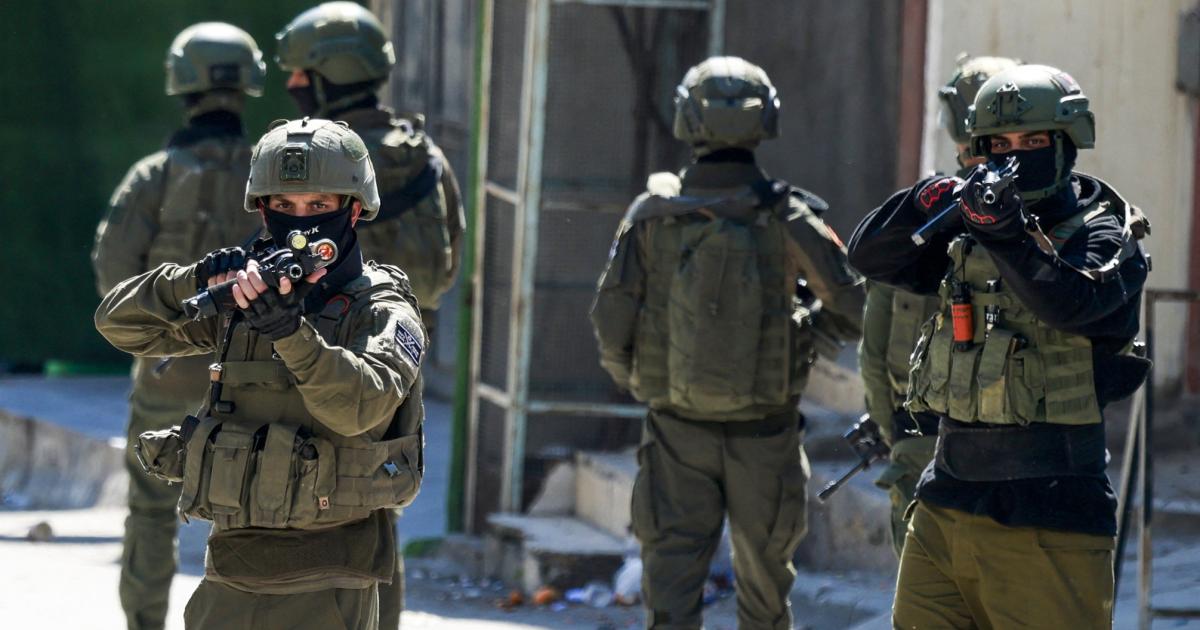
Al-Qawasmi confirms that the settlement encroachment now targets the identity and history of the land, noting that resorting to the occupation police to file complaints has become futile. Local residents believe there is a role reversal between the army and settlers, describing the situation as 'the police officer in uniform during the day is the same settler who attacks us at night'.
Geographically, preliminary maps of the distribution of the 34 new settlements indicate a clear desire to isolate major Palestinian cities from each other. The plan aims to connect large settlement blocs such as 'Gush Etzion' with the 'Karmei Tzur' bloc, which will inevitably separate Hebron from its eastern countryside and from the neighboring Bethlehem Governorate.
Specialized sources in resisting the wall and settlements reported that this expansion aims not only to reduce the areas available to Palestinians but also to create 'cantons' and suffocated human enclaves. This policy works to prevent any natural extension of Palestinian villages and cities, thereby erasing the contiguous geographical presence of the Palestinian people in their homeland.
In a statistical reading of this development, experts in settlement affairs believe that what is happening represents an unprecedented leap in the history of the occupation, as the number of settlements increased from 178 at the beginning of 2023 to about 297 currently. This means that in one year, the occupation approved the equivalent of half of what it built over decades since 1967.
This settlement boom coincides with fundamental changes in laws and the inauguration of a wide network of bypass roads that ensure the complete separation of settlers' movement from Palestinians. This system aims to create two separate entities within the West Bank, one for settlers controlling all resources, and the other for Palestinians scattered in geographical enclaves.
Reports indicate that the last three years, specifically since October 2023, have witnessed a phase of 'rushing towards annexation' through the privatization of settlement fieldwork. The construction of about 28,000 settlement units was approved for 2025 alone, which is the highest number recorded in many years in the records of Israeli expansion.
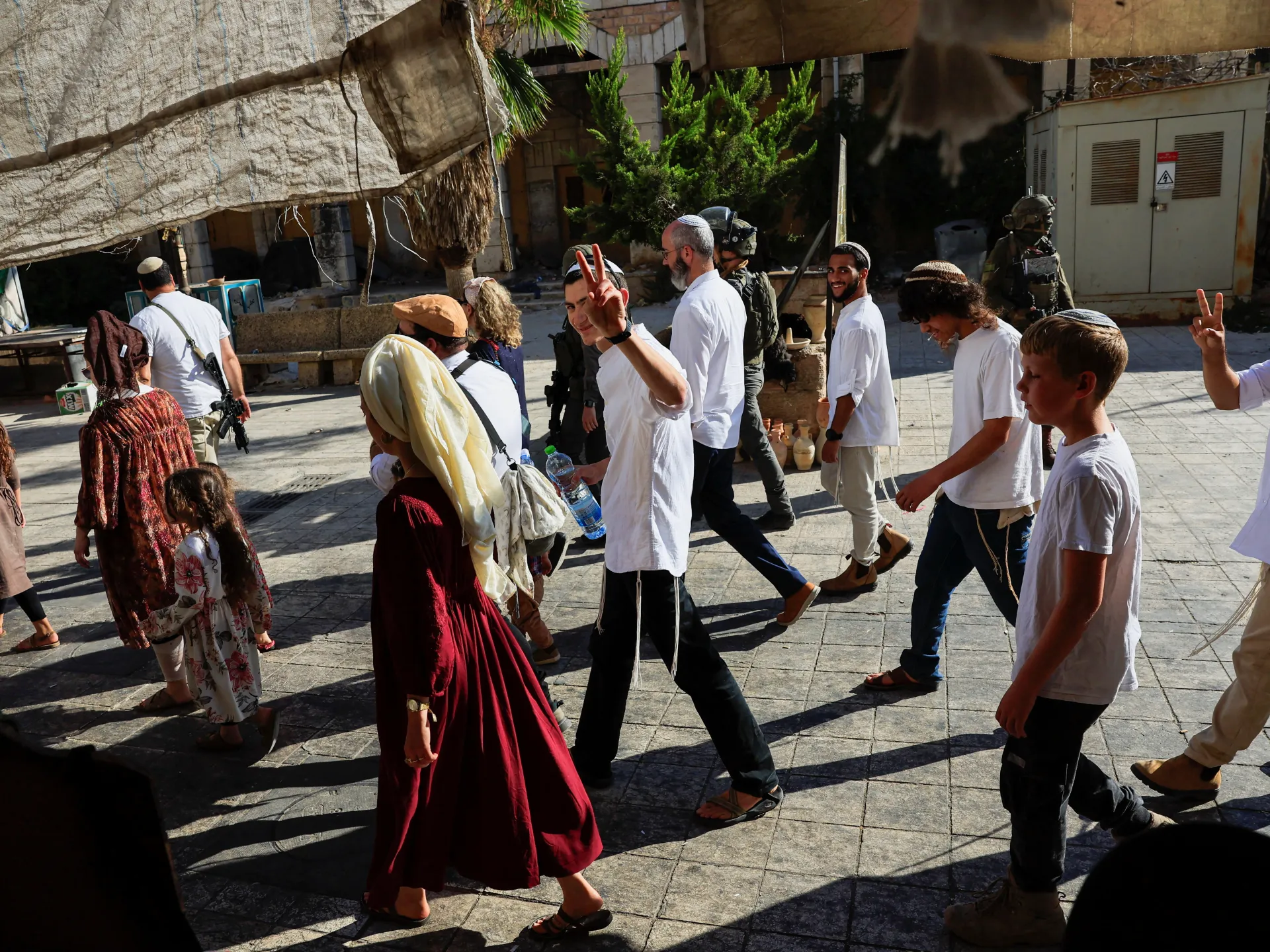
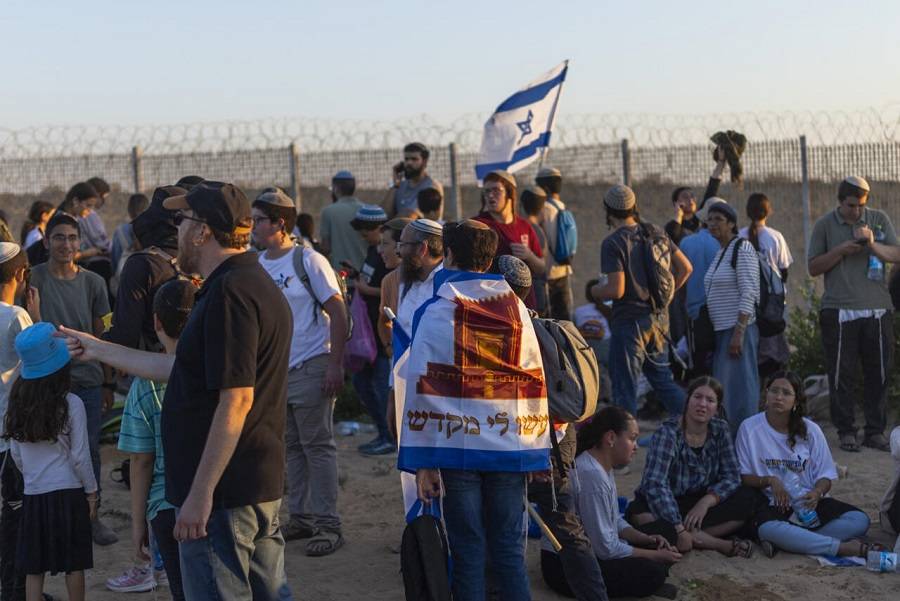
'Pastoral settlement' has also emerged as one of the most dangerous tools used to control land, where settlers set up tents and sheep pens under army protection to control thousands of dunums. More than 165 pastoral outposts have been observed since 2023, 89 of which were established in 2025, reflecting a frantic acceleration in land grabbing.
The occupation approved in one year the equivalent of 50% of what it built since 1967, completely redefining the geographical reality.
Share your opinion
Fragmentation Engineering: 34 New Settlements Turn the West Bank into Isolated Cantons