







Israeli Prime Minister Benjamin Netanyahu, on Saturday evening, issued direct instructions to the army command to launch military operations he described as 'strong' against targets in Lebanese territory. This decision came under the pretext of responding to what Tel Aviv considered repeated violations by Hezbollah of the fragile ceasefire agreement recently reached.
Field sources reported renewed intense Israeli airstrikes on various areas in southern Lebanon, with shelling hitting the towns of Hadatha, Zibqin, Khirbet Selm, and Sultaniyeh. The sources confirmed that these attacks come at a time when the field is witnessing increasing escalation despite the ongoing truce announced by US President Donald Trump.
For its part, the Israeli army claimed in an official statement that it was targeting military buildings and facilities belonging to Hezbollah, alleging that these sites are used to launch operations against its forces. The Israeli statement did not specify a timeline for these strikes or the nature of the strategic targets included in the new orders issued by Netanyahu's office.
In a related context, security circles in Tel Aviv warned of the possibility of a complete collapse of the understandings reached with the Lebanese side, claiming that the agreement could explode at any moment. These sources indicated that the absence of effective American pressure on the Lebanese government and the Lebanese army contributes to complicating the field situation on the northern border.
Occupation authorities are demanding that Washington exert additional pressure to force the Lebanese army to act against Hezbollah elements in areas outside what Israel describes as the 'security zone'. Hebrew reports claim that Hezbollah carried out about 16 violations of the agreement in just one week by launching rockets and drones.
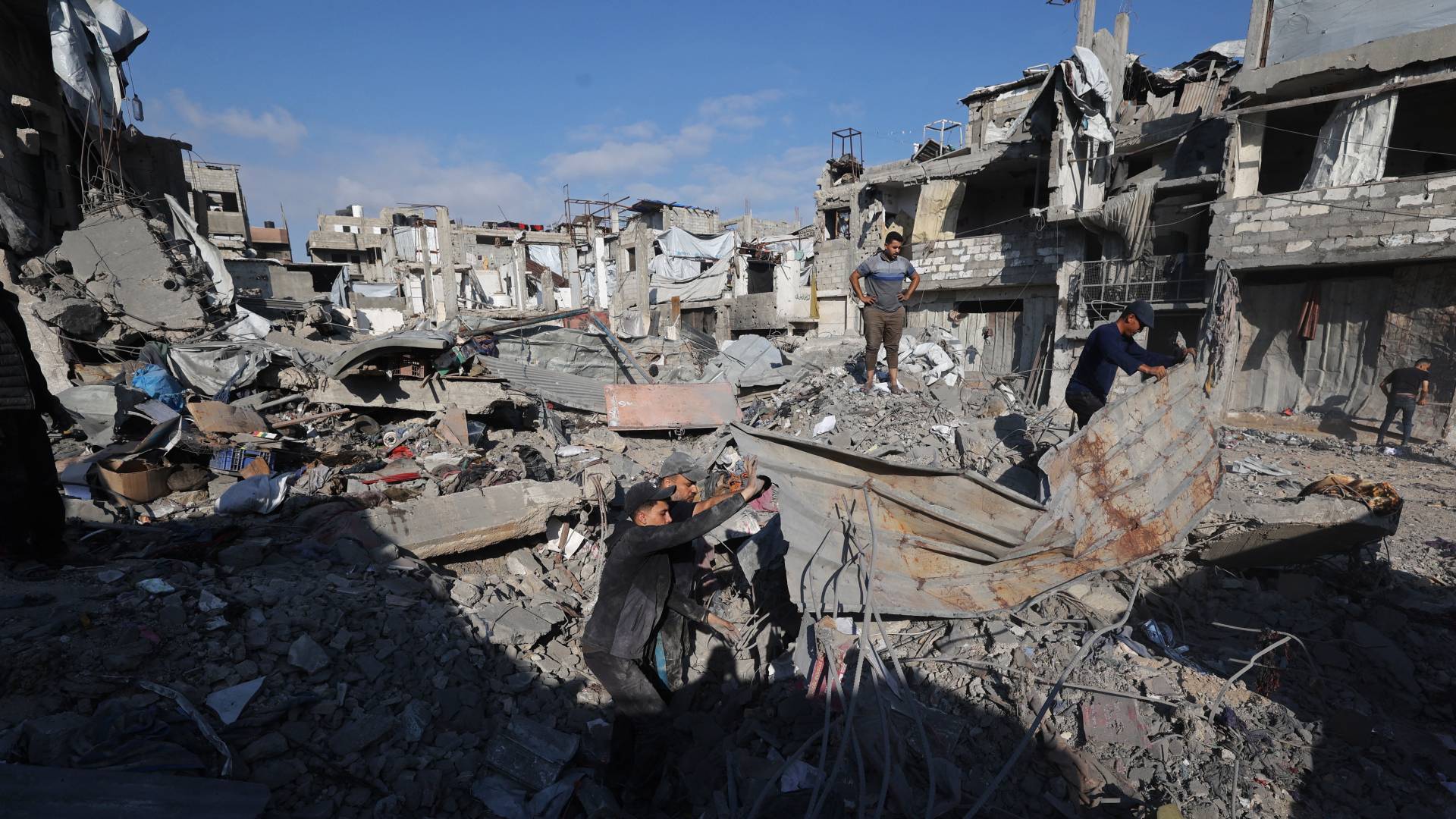
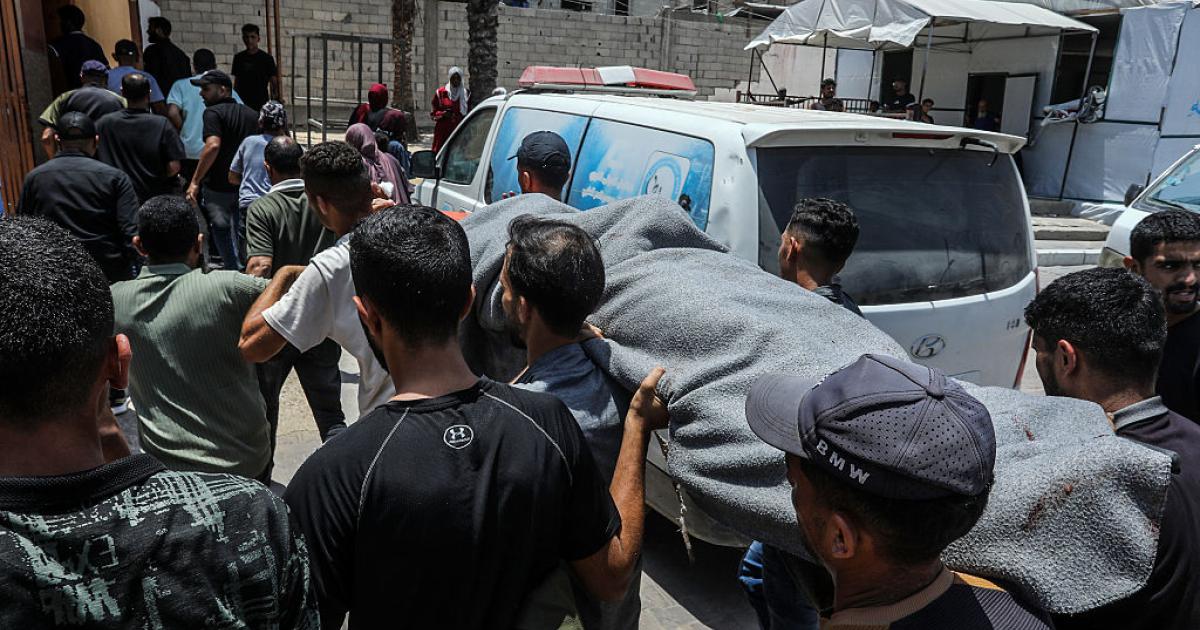
On the ground, Saturday witnessed a bloody escalation as Israeli aircraft and artillery launched about 29 attacks targeting different points in Lebanon. These aggressions resulted in the martyrdom of 6 citizens and the injury of 17 others with varying degrees of wounds, raising the death toll since the start of the widespread aggression last March to record numbers.
In contrast, Hezbollah announced the execution of a qualitative attack using a kamikaze drone that targeted an armored vehicle belonging to the occupation army in the southern region. The party confirmed in its statements that these operations come as a natural response to the continuous Israeli violations of the truce and aggressions against civilians and border villages.
These developments come despite the fact that the truce, which began on April 17, was supposed to last for ten days before the US President announced its extension for an additional three weeks. It appears that the diplomatic path, which saw two rounds of talks in Washington, faces real obstacles that threaten a return to comprehensive confrontation.
Israel justifies its continued military operations with what it calls 'the right to self-defense,' a pretext it uses to carry out preemptive strikes against sites deep inside Lebanese territory. Observers believe that this escalation aims to impose new field conditions before entering into any final negotiations for border demarcation or security arrangements.
On the internal political front in Lebanon, reports indicate a divergence of views regarding the continuation of negotiations with the Israeli side under military pressure. While some political parties show cautious support for talks to end humanitarian suffering, Hezbollah insists on rejecting any dictates that undermine Lebanese sovereignty.
Official Lebanese statistics indicate a worsening humanitarian catastrophe, as the Israeli aggression since early March has resulted in the martyrdom of 2,496 people and the injury of more than 7,700 others. Military operations have also led to the displacement of more than one million Lebanese from their villages and cities, amid massive destruction of infrastructure and residential homes.
Amid this tension, the fate of the truce remains dependent on the ability of international mediators to curb Israeli escalation and prevent the situation from sliding into open war. Political circles in Beirut and Tel Aviv are awaiting the coming hours to determine the seriousness of Netanyahu's threats and their repercussions on the ground.
In conclusion, the field reality shows that paper understandings have so far failed to stop the bloodshed in southern Lebanon, as the Israeli military machine continues its demolition and shelling operations. The hope remains on intensive diplomatic moves in Washington to save what remains of opportunities to solidify the ceasefire.
I instructed the army to launch strong attacks on targets in Lebanon amid a long series of Hezbollah violations.
Share your opinion
Netanyahu orders 'strong' strikes in Lebanon amid security warnings of truce collapse