






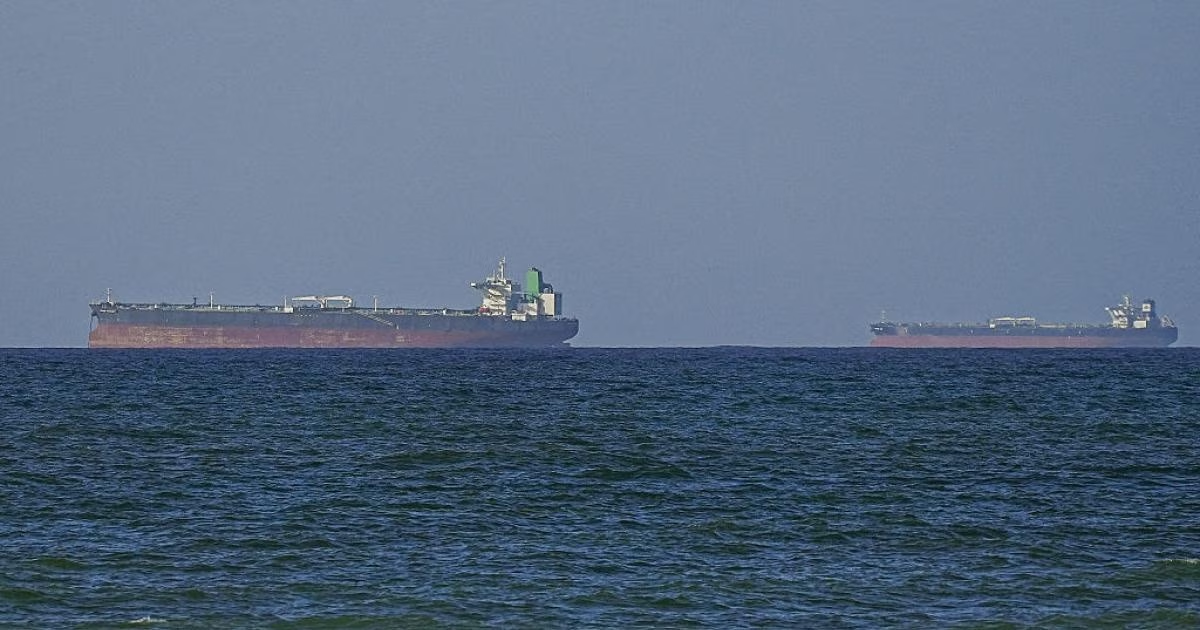
The corridors of international politics are once again abuzz with talk of the potential resumption of the negotiation process between the United States and Iran, with reports indicating serious consideration of a new round of talks soon. These moves come at a highly sensitive time, as both parties face complex challenges related to the uranium enrichment file and the repercussions of the American blockade imposed on the Strait of Hormuz.
International media sources reported that officials in the administration of US President Donald Trump are currently engaged in intensive discussions to arrange the details of a potential second meeting with the Iranian side. This move aims to revive the diplomatic path that faltered in its first round, amidst a desire to avoid sliding into a comprehensive military confrontation in the region.
The issue of uranium enrichment stands out as one of the biggest obstacles to agreement, with leaks revealing a wide gap in positions between the two sides. While Tehran offered to suspend enrichment operations for five years, Washington insists that the suspension period extend to twenty years to ensure no return to a military nuclear program.
In addition to the nuclear file, the American blockade on the Strait of Hormuz presents itself as a major sticking point in the ongoing negotiations, especially with its direct impact on the global economy. This blockade has led to a significant jump in oil prices, exceeding the $100 per barrel mark, increasing economic pressure on the US administration and consumers.
Informed sources indicate that the disagreement over these two points was the direct cause of the collapse of previous Islamabad talks, despite what US officials described as significant progress. US Vice President J.D. Vance had previously indicated an agreement on most issues, while international reports estimated the agreement rate at about 80% before the sudden halt.
Against this backdrop, discussions continue regarding the venue for the next round, with Islamabad and Geneva emerging as potential host cities. However, no final decision has been made on this matter, pending initial agreements to ensure that the scenario of the previous collapse following the Islamabad round is not repeated.
The time factor further complicates the situation, as the agreed-upon truce is nearing its end, with only one week remaining out of two. This tight timeline raises serious concerns about a return to military escalation if diplomats fail to reach a new framework before the deadline expires.
From the Iranian side, there is cautious official silence regarding the circulating news of new negotiations, but diplomatic moves on the ground indicate an initial openness. Tehran has intensified its international contacts, with its foreign minister holding a series of phone discussions with his counterparts in influential regional and international countries.
Iranian contacts included Oman, Qatar, Saudi Arabia, Egypt, and Russia, in addition to a previous presidential call with France, all of which focused on the necessity of adopting a balanced diplomatic approach. Tehran emphasizes in these meetings that exaggerated American demands will not lead to tangible results on the ground.
Iran adheres to its position rejecting concessions outside the framework of international agreements and the regulations governing the work of the International Atomic Energy Agency. The Iranian leadership believes that demanding a long-term suspension of enrichment contradicts its sovereign rights and the IAEA charter, which makes negotiating this point extremely thorny.
In Tehran, sources reported that authorities have given local media space to discuss the possibilities of resuming dialogue, which is interpreted as a sign of a desire to prepare public opinion. The spokesman for the Iranian Foreign Ministry, Ismail Baqaei, affirmed that diplomatic opportunities still exist despite the complexity of the outstanding issues between the two countries.
Observers believe that the coming hours will be crucial in determining the course of the crisis, as the picture regarding the new negotiation round is expected to become clear. These developments coincide with a field escalation in the Strait of Hormuz and parallel discussions on the Lebanese-Israeli front, placing the region on a hot plate.
The option of a US withdrawal from the negotiation process or a return to military escalation remains strongly on the table if Iranian responses do not align with expectations in Washington. The closure of the Strait of Hormuz represents a strong bargaining chip for Tehran, while Washington uses the weapon of sanctions and economic blockade to extract broader concessions.
In conclusion, the international community cautiously awaits the results of these diplomatic moves, given their direct implications for global energy security and Middle East stability. Either the parties succeed in bridging the deep gap between 5 and 20 years of enrichment suspension, or the world faces a new round of open confrontation.
The complex issues between Tehran and Washington cannot be resolved in one round, but diplomatic opportunities still exist.
Share your opinion
Diplomatic Moves to Resume Negotiations Between Washington and Tehran Amidst Complexities of Enrichment and Strait of Hormuz Files