






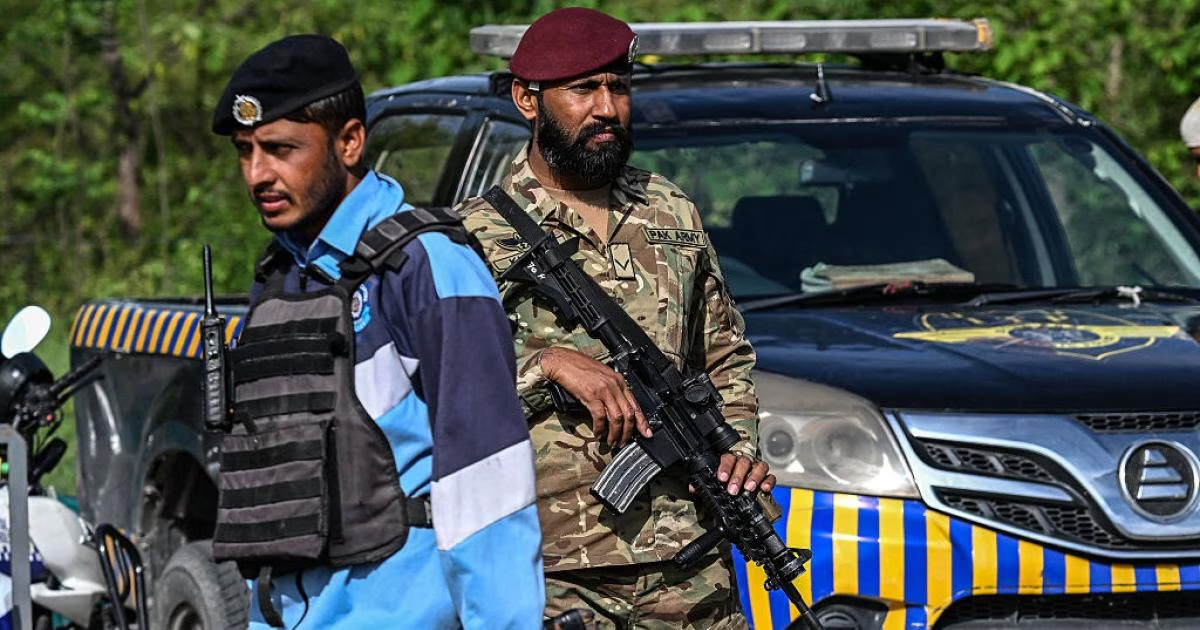
Attention turns to the Pakistani capital, Islamabad, where a new round of peace talks between the United States and Iran, sponsored by Pakistan, is scheduled to begin. This step comes amidst significant field and political complexities, as both sides try to bridge the chasm between completely opposing demands regarding ending the current conflict.
Despite US President Donald Trump showing relative flexibility by describing Iranian proposals as forming a 'basis' for negotiations, the reality indicates deep gaps. Tehran adheres to a ten-point proposal, while Washington insists on a previous plan consisting of fifteen items, reflecting divergent views on fundamental issues.
The issue of uranium enrichment is the most prominent sticking point in the diplomatic saw, as the Iranian proposal includes an explicit demand for recognition of its right to enrichment. In contrast, the US administration had previously ruled out this demand, with Trump's assurances that this file is non-negotiable from the American perspective.
In addition to the nuclear file, Iran's missile capabilities stand out as an additional stumbling block, as Washington and Tel Aviv demand their radical reduction. Tehran responds that its missile arsenal represents a pillar of its national security and is not open for discussion, despite the ambiguity surrounding the size of what remains of it after recent military operations.
In a related context, sources quoted a Pakistani official as saying that Iran might receive a response on reconstruction, compensation, and lifting economic sanctions. However, the official stressed that reaching an agreement on uranium enrichment remains unlikely given the current data and international pressures.
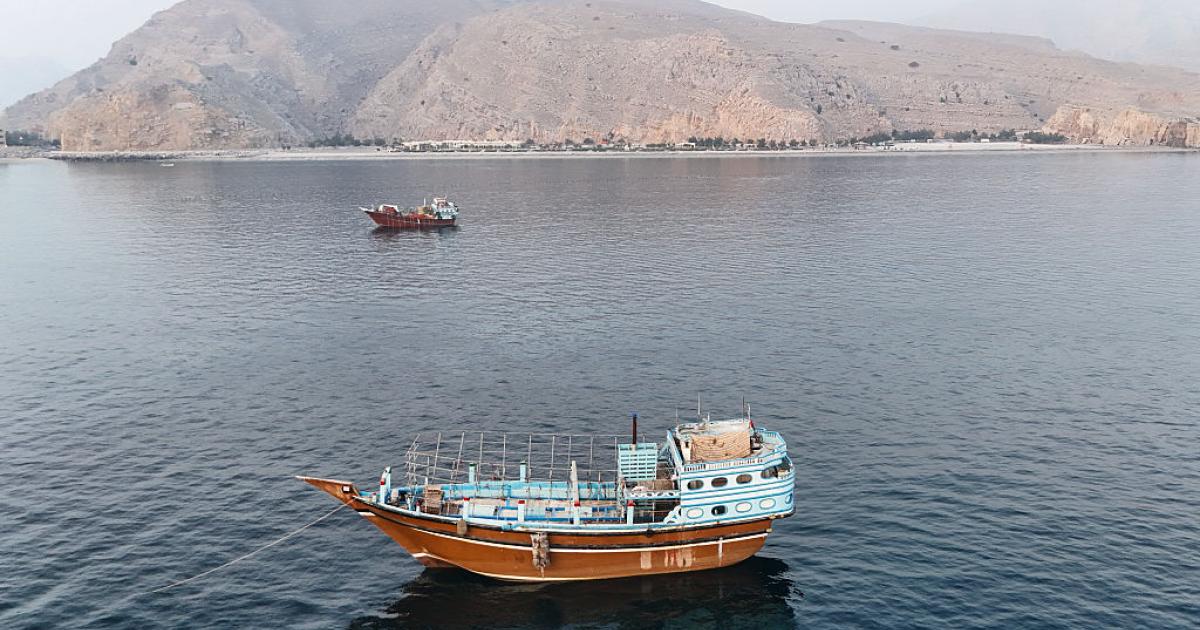
The weight of negotiations has shifted from military programs to waterways, with the fate of the Strait of Hormuz topping the list of international priorities. Approximately one-fifth of the world's oil and liquefied natural gas supplies pass through this strait, making the stability of navigation in it a matter of global national security.
The effective closure of the strait by Iranian forces since late last February has caused severe disruptions in global energy markets. This blockade has led to record jumps in oil prices, placing enormous economic pressure on importing countries and prompting Washington to seek urgent solutions.
Through negotiations, Tehran seeks to legitimize imposing financial fees on ships crossing the strait if a permanent peace agreement is reached. It justifies this by its geographical location and its control over the passage, which narrows to only 34 kilometers at the point of contact between Iran and Oman.
For his part, the US President did not hesitate to use threatening language, hinting at destroying Iran if it does not commit to a ceasefire and reopening the waterway. So far, there are no field indications of the lifting of the Iranian blockade, which Washington considers a blatant challenge to global energy supplies.
Iran explicitly stipulates, for de-escalation and opening the strait, the necessity of stopping Israeli military operations in Lebanon. The Iranian leadership affirms that it will not conclude any peace agreement as long as the intensive Israeli bombing of Lebanese territories and targeting of Hezbollah continues.
The ten-point Iranian proposal includes clauses that Washington describes as impossible, such as the complete withdrawal of US combat forces from the region. Tehran also demands the cancellation of all Security Council and International Atomic Energy Agency resolutions issued against it, as part of a comprehensive settlement.
In contrast, the American plan focuses on removing highly enriched uranium stockpiles and completely halting ballistic programs. Washington also demands cutting Iranian funding to all allies and proxies in the region, which Tehran sees as interference in its regional policies and strategic alliances.
On the Israeli side, sources reported that Tel Aviv agreed in principle to a ceasefire with Iran but drew a red line with the Lebanese front. Israel insists that military operations in Lebanon are not covered by any understandings with Tehran, which threatens to collapse the truce before it even begins.
The question remains about the chances of success of this settlement given each party's adherence to its strong cards; while Washington relies on its firepower, Tehran relies on 'strategic patience' and suffocating economic influence through the Strait of Hormuz. The coming days in Islamabad will determine whether the world will move towards a major de-escalation or unprecedented escalation.
Iran possesses economic influence through the Strait of Hormuz and will not conclude an agreement as long as Israeli aggression against Lebanon continues.
Share your opinion
Islamabad Negotiations: Deep Gaps Between Washington and Tehran on Nuclear and Strait of Hormuz Issues