






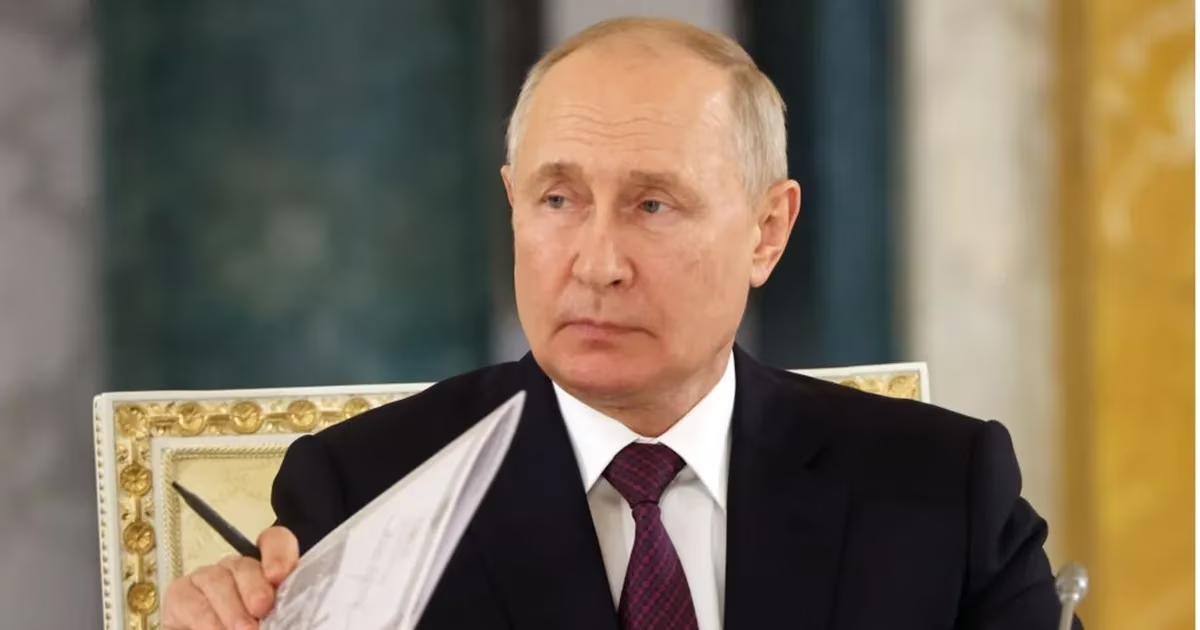
For years of conflict in Eastern Europe, the United States and its allies have provided open and generous support to Ukraine, including billions of dollars, the latest weapon systems, and intelligence information. The Western goal of this support was clear: to use the Ukrainian arena as a proxy war to drain Russian military capabilities and weaken Moscow's international influence through harsh economic sanctions.
However, the geopolitical scene has recently witnessed a major reversal, as Russia strategically began to exchange roles with the West. While Washington engaged in extensive confrontations to support its allies against Iran, Russian President Vladimir Putin decided to employ Tehran as a tool for indirect confrontation with the United States from behind the scenes.
This Russian strategy manifested in providing unprecedented military and technical support to the Iranian side, including supplying it with accurate intelligence information and advanced field tactics. Observers believe that Moscow raised the slogan 'Ukraine for Iran' in a decisive response to European criticism of Russia's escalating role in the Middle East.
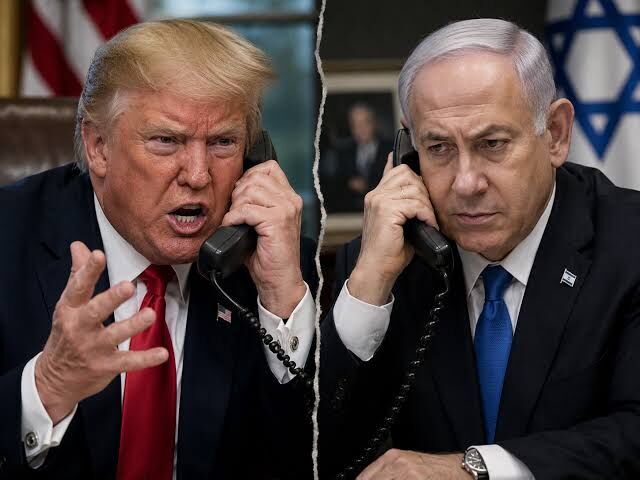
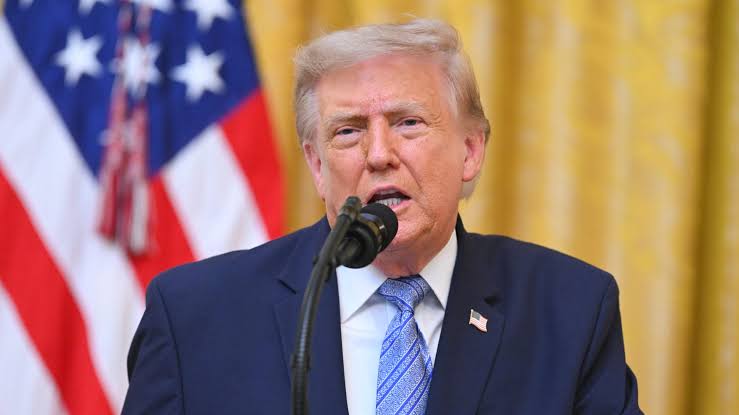
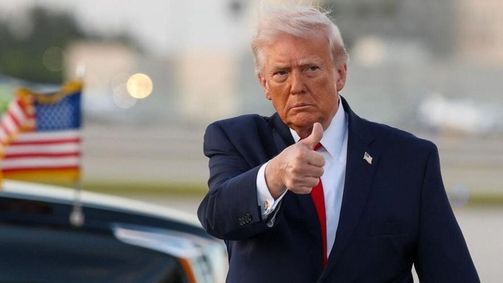
US President Trump acknowledged this new reality when asked about Russian support for Tehran, confirming that both parties are playing the same game in different arenas. Reports revealed that the Trump administration rejected an explicit Russian offer to stop supporting Iran in exchange for Washington ceasing to arm and finance Ukrainian forces.
Technical data indicates that Russian support goes beyond mere weapons, extending to providing high-resolution satellite imagery via the Russian Aerospace Forces (VKS). This data allows Tehran to monitor US and Zionist military bases and strategic assets in real-time, increasing the accuracy of potential Iranian strikes.
Ukrainian President Volodymyr Zelensky, in turn, confirmed this information, noting that Russian expertise is now flowing intensely towards Tehran. This cooperation represents a return of favor, after Iran had supplied Moscow with 'Shahed' kamikaze drones at the beginning of the Ukrainian war and provided it with manufacturing blueprints for local production.
Today, Iran adopts the Russian military approach based on using dense swarms of cheap drones to overwhelm advanced air defense systems. These swarms are followed by precise missile strikes targeting command and control centers and radars, tactics that have proven effective in the Ukrainian field and were transferred verbatim to Iranian advisors.
In addition to the military field, Russia employs its capabilities in artificial intelligence to wage a misleading propaganda war aimed at amplifying Iranian power and demonstrating its superiority. Russian official media works to widely disseminate this content to distract American focus and raise concerns in Western circles.
Putin's goal from this escalation appears to be to drain American resources away from the Ukrainian front, which has been partially achieved with Washington being forced to withdraw 'Patriot' systems from Europe. This shortage in Ukrainian air defenses came as a result of redirecting missiles towards the Gulf region, given the limited US production of no more than 65 missiles per month.
Moscow's gains were not limited to the military aspect but also extended to global energy markets, which witnessed a significant rise in prices due to tensions. This increase forced Washington to ease some oil sanctions on Russia, providing Moscow with billions of dollars in financial flows that were used to finance its war machine without directly firing a single bullet against US forces.
Ukraine for Iran... This is how Moscow responded to the West's draining of its forces by supporting Tehran with advanced military tactics and real-time space information.

Share your opinion
Putin's Revenge: How Iran Became a Russian Arena to Drain Washington?