






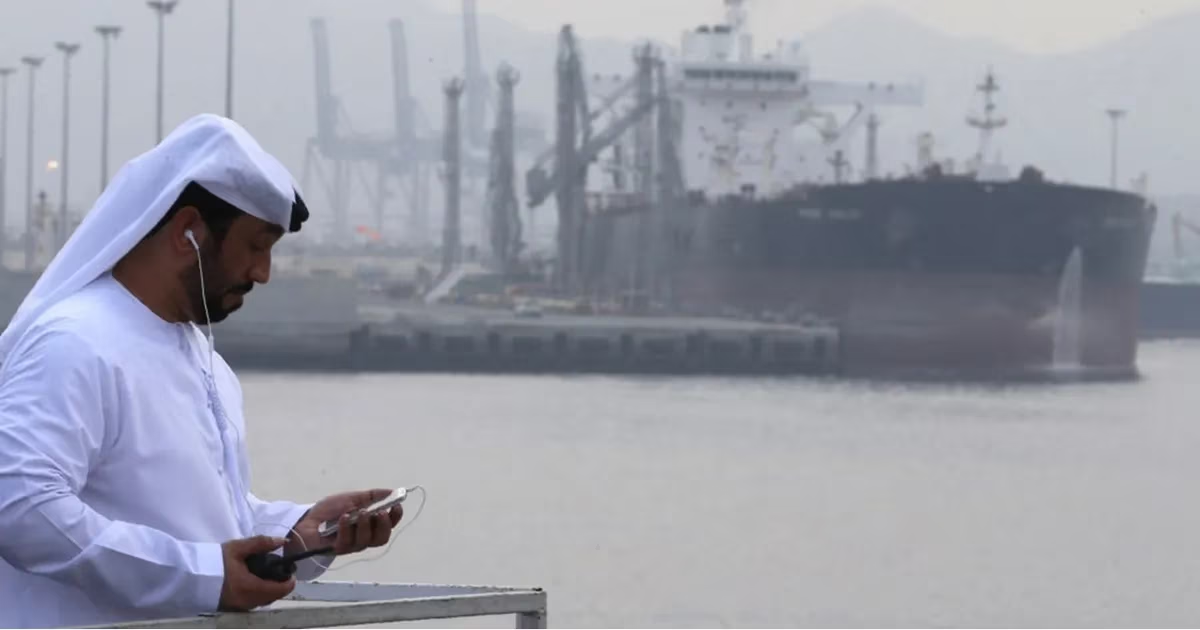
Global energy markets witnessed a sharp jump in oil prices during Wednesday's trading, with Brent crude futures reaching record levels not seen since 2022. The price per barrel rose by more than 5 percent to settle at $118.5, driven by growing concerns about disruptions to global energy supplies as a result of ongoing military operations.
In contrast, West Texas Intermediate crude experienced volatility, recording $101.5 per barrel, a slight decrease of 1.4 percent, despite the general upward trend dominating the market this March. These fluctuations come amid severe pressure on global supply chains, which have been directly affected by the ongoing American-Israeli aggression on Iranian territories.
Economic sources reported that prices approached the $120 per barrel mark during some trading periods, reflecting investors' anxiety about the continuation of the armed conflict. Forecasts point to record monthly gains by the end of March, given the lack of an immediate horizon for de-escalating the military situation that has disrupted maritime trade.
Tehran's decision to restrict navigation in the strategic Strait of Hormuz since the beginning of this month is one of the most prominent factors that led to this insane rise. Iranian authorities threatened to target any vessels crossing the strait without prior coordination, putting global energy transport in a real predicament due to the vital importance of this waterway.
Navigational data indicates that approximately 20 million barrels of oil pass daily through the Strait of Hormuz, which represents the lifeline for many major economies. The closure of the strait or the threat to the safety of navigation within it has led to an immediate increase in marine insurance costs and shipping fees, which has directly reflected on consumer prices and global inflation rates.
On the ground, military confrontations that began on February 28 continue, with American and Israeli forces launching widespread attacks that have resulted in thousands of casualties. Reports confirm that the escalation has targeted high-ranking officials in the Iranian state, prompting Tehran to respond by launching waves of ballistic missiles and drones towards targets inside Israel.
In a related context, the conflict expanded to include targeting American bases and interests in several Arab countries, with Iran claiming responsibility for attacks it described as retaliatory. The affected countries expressed their condemnation of these aggressions, which targeted civilian assets and resulted in injuries, demanding the necessity of halting military escalation to spare the region and the world a deeper economic and humanitarian catastrophe.
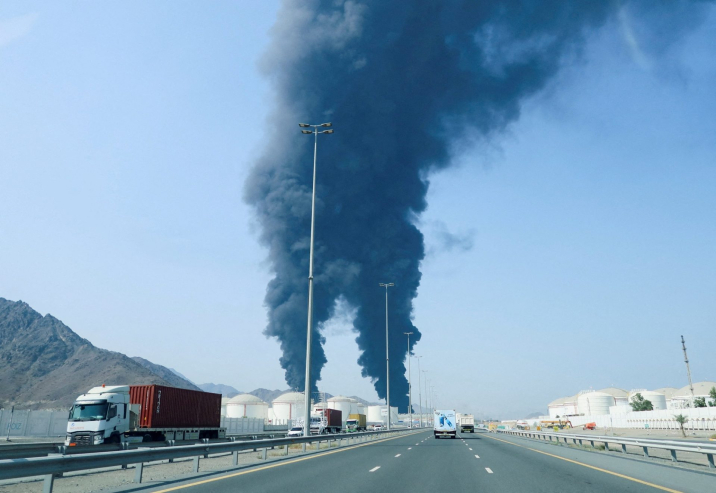
The closure of the Strait of Hormuz, through which about 20 million barrels pass daily, caused a sharp jump in shipping and insurance costs and raised global economic concerns.


Share your opinion
Global Oil Prices Jump as Military Escalation Against Iran Continues