






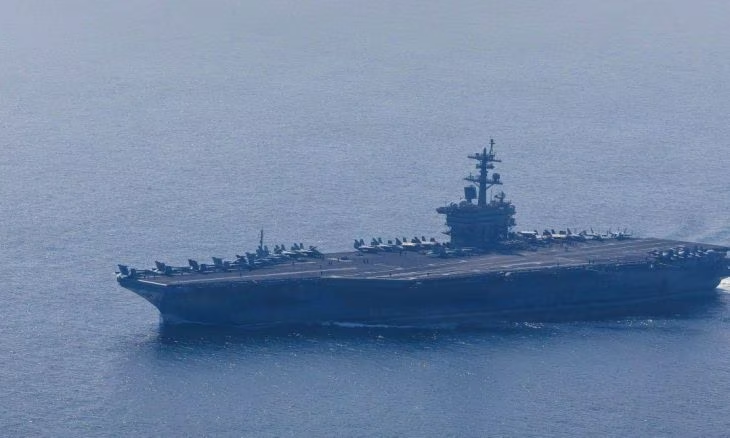
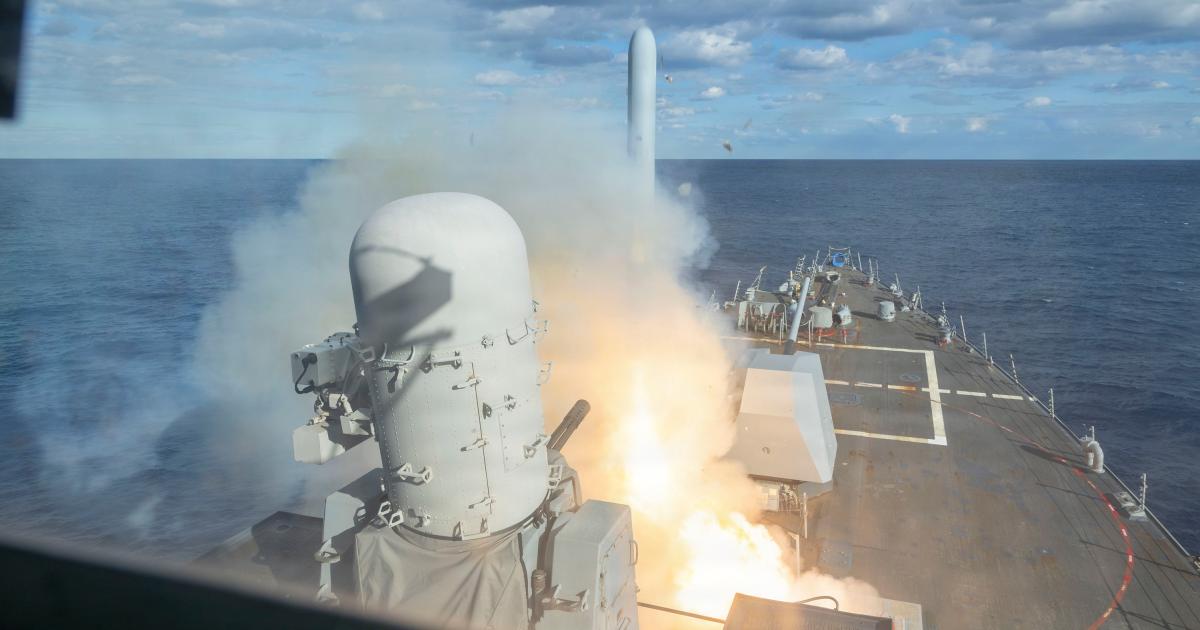
The US warship "Tripoli," carrying Marines, arrived in the Middle East from the Sea of Japan, joining military reinforcements in the region. Despite this arrival, the ship positioned itself near the aircraft carrier "Abraham Lincoln" in a location far from the Arabian Gulf and the Strait of Hormuz, raising questions about the ability of these forces to carry out missions within the strait, which faces intense Iranian defensive threats.
US Naval Institute maps indicate that the current positioning of warships reflects strategic caution, with the aircraft carrier "Abraham Lincoln" located 1500 kilometers south of the Strait of Hormuz. This distance is primarily aimed at staying out of range of Iranian missiles and drones, at a time when sources have not recorded any large US naval vessel crossing the strait since the recent confrontations erupted.
In a related context, the aircraft carrier "Gerald Ford" is undergoing maintenance in a Croatian port after being exposed to a fire while in the Red Sea, while the aircraft carrier "George Bush" is preparing to move from Norfolk port to compensate for the shortage in the Eastern Mediterranean. These movements come amid significant field pressures facing the US Central Command to secure vital shipping lanes.
Analyzes conflict regarding the actual role of the newly arrived Marine forces, with some estimates suggesting the possibility of them attempting to seize the Iranian island of "Kharg," which is the main artery for oil exports. However, experts believe that carrying out an amphibious operation on a fortified island facing a militarily closed strait represents an unprecedented logistical and security challenge for the Pentagon.
On the other hand, journalistic sources reported that US military bases in Gulf countries have seen a decline in their activity, becoming almost empty as a result of missile strikes they were subjected to. This situation has prompted some forces to move to urban areas or head towards the European continent, coinciding with restrictions imposed by host countries on using their territories to launch attacks against Tehran.
Observers believe that the goal of reinforcing amphibious forces and paratroopers may be to protect the Bab al-Mandab Strait and secure shipping lanes in the Red Sea, rather than engaging in direct confrontation within the Gulf. Moreover, the need to compensate for the military vacuum resulting from the evacuation of traditional bases has become a top priority for the current US administration to ensure the continuity of military presence in the region.
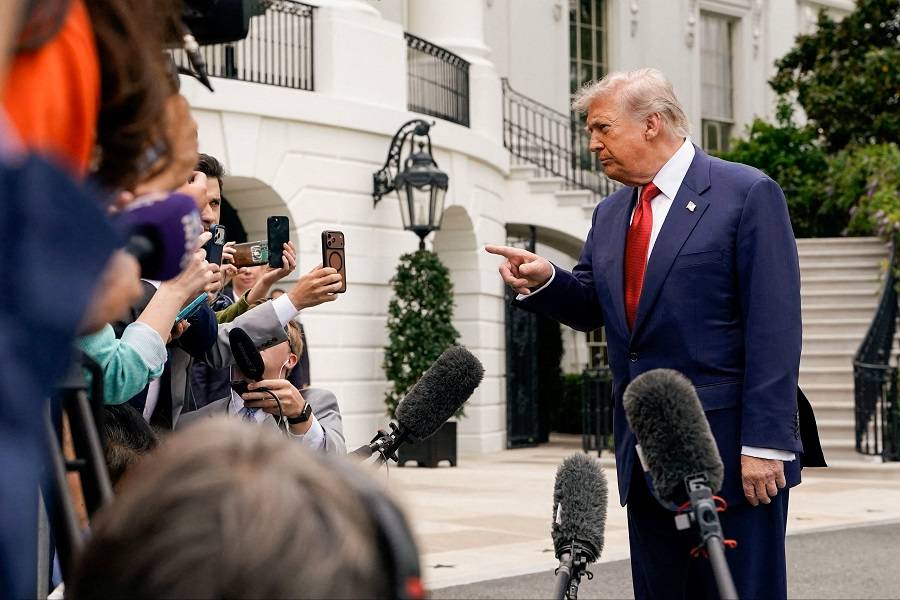
On the political front, hypotheses emerge suggesting that the US administration may be looking for solutions to end the conflict without the need to open the Strait of Hormuz by military force. This approach comes amid Washington's realization that targeting any large warship would cause severe damage to the image of the United States military, especially with Tehran's desire for revenge for the sinking of one of its frigates previously.
In light of these facts, the question remains about how US forces will reach their strategic objectives deep in the Gulf if the strait remains closed. While Washington possesses air and missile superiority through "Tomahawk" missiles, field control and amphibious operations remain contingent on the ability to overcome Iranian naval defenses and commandos ready to intervene at the entrance of the strait.
It remains likely that the increase in US forces in the Middle East is to protect Bab al-Mandab and compensate for the military vacuum resulting from the withdrawal of forces from Gulf bases.

Share your opinion
Strait of Hormuz Dilemma: Can US Forces Secure Passage and Control Kharg Island?