






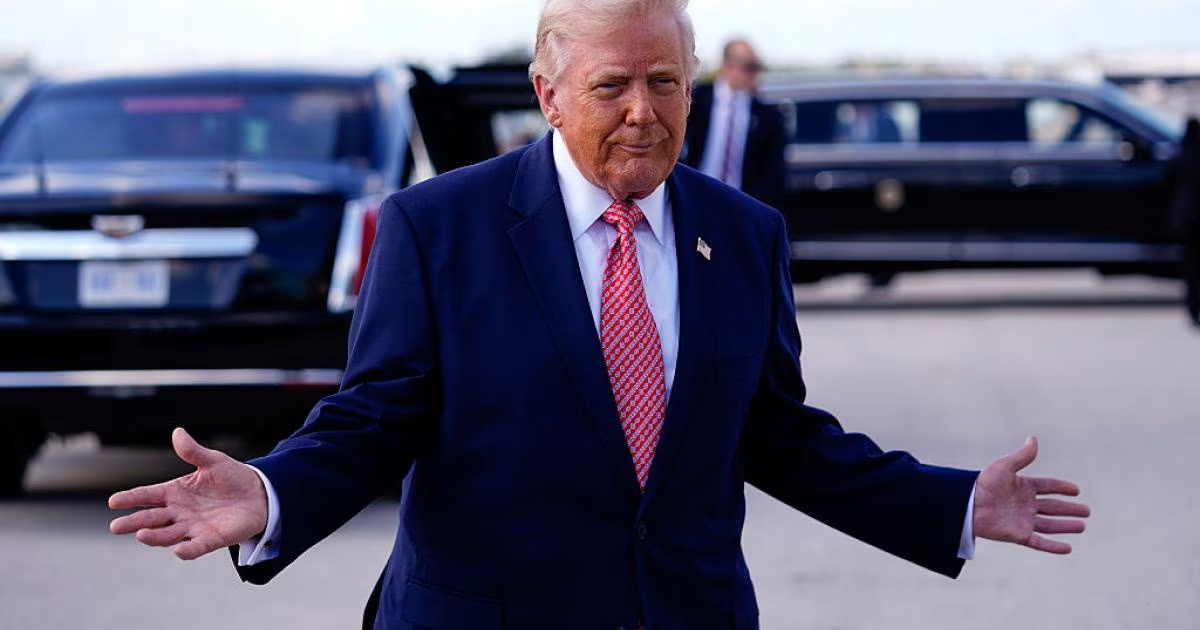
International media sources, quoting officials in the US administration, revealed that President Donald Trump has indicated to his aides a readiness to end military operations against Iran, even if the Strait of Hormuz remains closed. This surprising shift is set to redraw the lines of confrontation in the region, as this decision is likely to prolong Tehran's control over the vital waterway and postpone any complex operations to open it by force.
Estimates within the White House suggest that an attempt to militarily open the Strait could require a timeline of four to six weeks, which exceeds the timeframe Trump set for the military campaign. Accordingly, Washington has decided to reorder its field priorities to focus primarily on destroying Iranian naval capabilities and neutralizing missile stockpiles, rather than getting involved in a prolonged ground or naval operation.
In the context of this shift, the United States is seeking to intensify diplomatic pressure as a parallel path to restore the flow of global trade through the Strait. Should these efforts falter, Washington intends to push its allies in Europe and the Gulf region to take the lead in securing international navigation, while keeping other military options on the table without considering them an immediate priority for now.
This March has seen fluctuations in President Trump's statements regarding handling the crisis, as he previously threatened to strike Iran's energy infrastructure. However, he later downplayed the strategic importance of the Strait for the United States, considering that the countries benefiting from the oil passing through it should bear the brunt of resolving the crisis and securing its passages.
On the ground, this political direction has not prevented the continued American military reinforcements in the region, with the aircraft carrier 'USS Tripoli' arriving alongside the deployment of additional combat units. Despite Trump describing this war as 'short,' the stated objectives appear complex, especially concerning the control of Iranian nuclear sites and uranium stockpiles that continue to raise international concern.
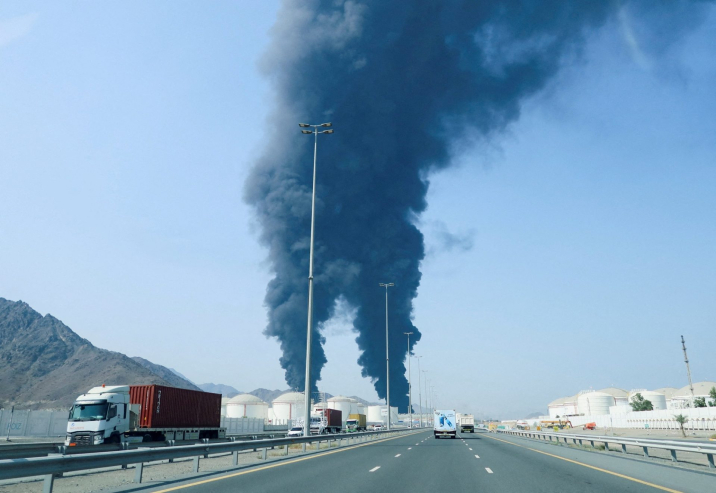
Economically, the Strait of Hormuz represents an indispensable artery for global energy, with about one-fifth of the world's oil supplies flowing through it. Its continued closure has led to severe disruptions in global markets, with US oil prices jumping to exceed $100 per barrel for the first time since 2022, amid warnings of an economic catastrophe that could push prices towards $200.
The repercussions are not limited to fuel prices but also extend to a severe shortage of vital materials used in global industries such as fertilizers and helium gas. Many countries, including close allies of Washington, face a real crisis in securing energy supplies and supply chains, placing immense political and economic pressure on the US administration to take a decisive stance to end the navigational impasse.
For her part, Suzanne Maloney, Vice President of the Brookings Institution, criticized the move towards ending military operations before ensuring the opening of the Strait, describing the step as irresponsible. Maloney emphasized that global energy markets are organically interconnected, and any attempt to isolate the American economy from the effects of the Strait's closure will fail unless a comprehensive political settlement or military resolution guaranteeing freedom of navigation is reached.
Amid these complexities, about 40 countries have announced their commitment to contributing to an international force to secure navigation in the region, leaving all scenarios open. Expectations range from the success of diplomatic mediations in defusing the crisis to a slide towards broader military escalation if Tehran continues to close the world's most important waterway, threatening the stability of the global economy for years to come.
Ending military operations before reopening the Strait of Hormuz is irresponsible, given that the repercussions of the crisis cannot be isolated from the American economy.
Share your opinion
Trump hints at ending military operations against Iran despite continued closure of the Strait of Hormuz