






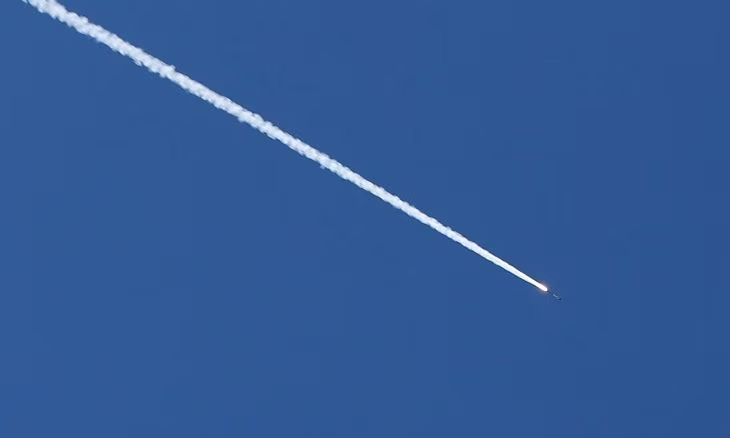
International sources and reports indicate that Iran, despite being stripped of large parts of its air and missile defenses, still retains a high capacity to launch missiles and drones that cause significant damage. These facts contradict perceptions that attempted to portray Tehran as a weak adversary whose military capabilities were completely destroyed by intense American and Israeli bombing in recent weeks.
Data from military sources indicates that the number of attacks launched by Iran has decreased by about 90% since the early days of the war, while the Israeli army confirms its interception of the majority of launch platforms. However, the recent series of attacks on Israel and Gulf countries is evidence that Tehran possesses enough weaponry to destabilize the region and inflict heavy losses on its enemies.
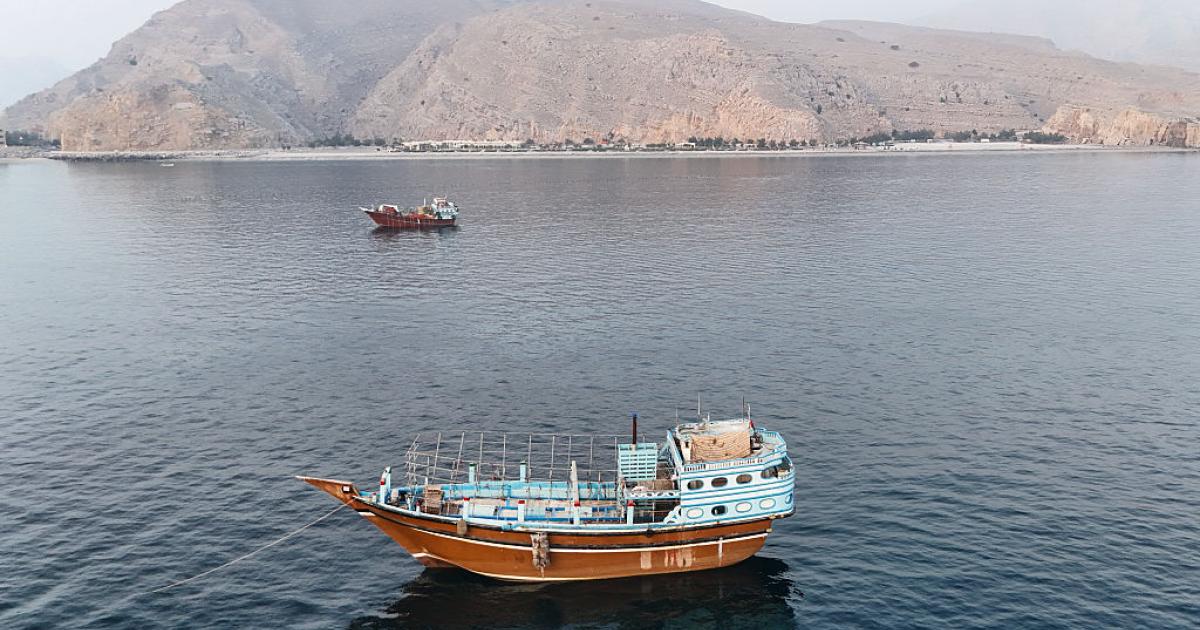
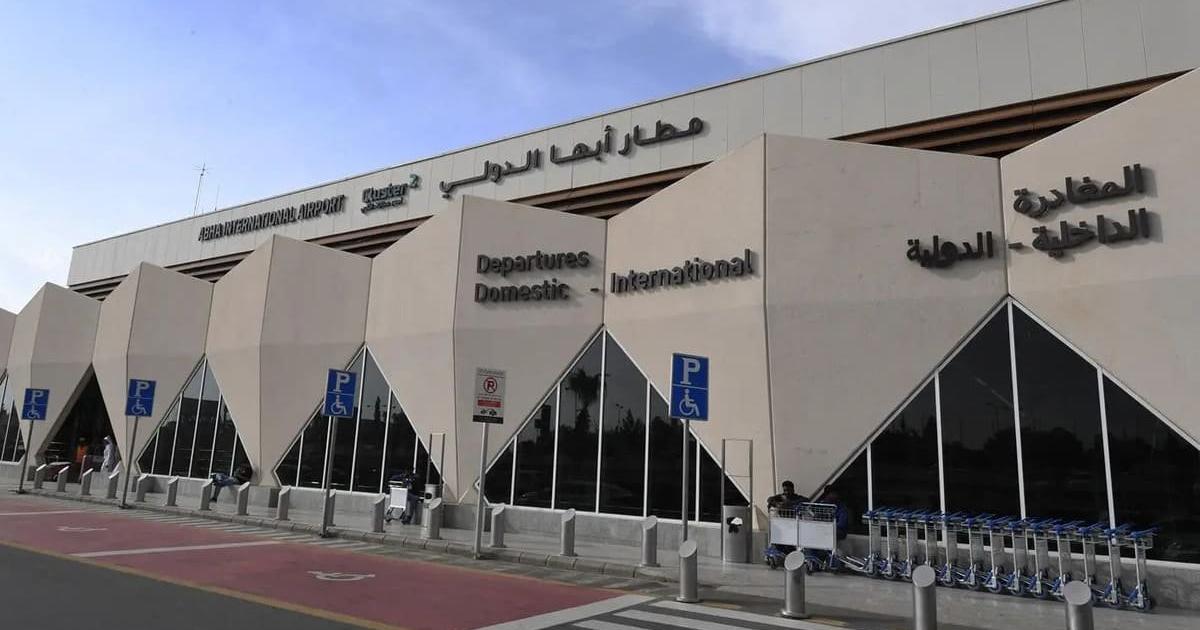
Last weekend saw a significant escalation, as Iran launched an airstrike on a US military base in Saudi Arabia, injuring about twenty soldiers. The attacks also targeted vital facilities in the region, including a port in Oman and Kuwait International Airport, in addition to targeting an aluminum factory in the UAE capital Abu Dhabi with missiles and drones.
Inside Israel, millions face a state of general paralysis and constant fear, forced to take refuge in shelters daily to protect themselves from Iranian fire. Medical authorities reported seven people injured in central Israel due to a missile barrage, while one person was killed in Tel Aviv by a small bomb resulting from a missile equipped with a cluster warhead.
Security experts believe that the military campaign against Iran, while effective in targeting leaders and destroying the air and naval forces, has not succeeded in neutralizing the missile threat. The true measure of success from Tehran's perspective is its continued ability to reach sensitive targets deep within Israel and US bases spread across the region.
US officials estimate that Iran may still possess thousands of 'Shahed' drones and hundreds of ballistic missiles ready for launch. Despite the strikes that targeted its facilities for a full month, the lack of accurate intelligence makes it difficult to ascertain the size of the remaining arsenal of the Revolutionary Guard.
Military analysts point out that a decrease in launch rates does not necessarily mean the destruction of capabilities, but may be due to a tactical repositioning process. It appears that Iranian forces are working to integrate new intelligence to improve targeting accuracy, which explains the increased effectiveness of strikes despite their fewer numbers compared to the beginning of the conflict.
Researcher Kelly Grecco confirms that Iran's hit rate on targets has more than doubled since mid-March, indicating an adversary that adapts and learns from the field. She adds that focusing on the percentage decrease in attacks may obscure the reality of a shift in the Iranian approach towards more qualitative and impactful strikes deep within the strategic adversaries.
The attacks were not limited to traditional targets but included attempts to strike highly sensitive locations, such as a missile falling near the Dimona nuclear reactor in the Negev Desert. This symbolic strike, which occurred only 16 kilometers from the fortified facility, raised significant concern about the ability of defense systems to provide full protection for strategic sites.
A clear loophole also emerged in Israeli air defenses, namely Iran's use of ballistic missiles with cluster warheads that explode above the ground. This technology scatters dozens of small bombs over wide areas, making their complete interception complex and extremely costly, especially since the 'Arrow 3' missiles designated for this are expensive and rare.
Reports indicate that Iran has used past periods to rapidly rebuild its capabilities beyond Israeli expectations, proving its ability to launch between 20 to 30 missiles daily. These missiles vary between those powered by liquid fuel and massive missiles emerging from underground bunkers known as 'missile cities'.
Analysts believe that maintaining the pace of attacks indicates the existence of secret missile bases and tunnels that Western intelligence agencies have not yet succeeded in detecting or destroying. This hidden presence gives Tehran the ability to maneuver and continue to threaten air and sea navigation in vital waterways and international energy facilities.
In a related context, analyst Farzan Thabet believes that Iran has begun to threaten more distant targets and has drawn attention with strikes that reached previously unexpected areas. This development in range and accuracy strengthens Iran's negotiating and military position, and places additional pressure on regional and international air defense systems attempting to contain the situation.
In conclusion, the current conflict appears to have revealed a high degree of resilience in the Iranian missile system despite concentrated air bombardment. With continued threats from allied fronts such as the Houthis, the region remains in a complex security landscape that goes beyond mere calculations of numbers and percentages of executed airstrikes.
Iran's primary measure of success is its ability to continue launching ballistic missiles and drones at Israel, US bases, and Gulf countries, and we know it is still capable of doing so.

Share your opinion
Despite intense strikes... Reports reveal Iran's ability to continue attacks with greater effectiveness