







Turkish diplomacy is making strenuous efforts in an attempt to contain regional escalation and prevent Arab Gulf states from engaging in open military confrontation between the United States and Israel on one hand, and Iran on the other. These moves come amid Ankara's fears of the conflict expanding and turning into a comprehensive confrontation that threatens the stability of the entire region and leads to the destruction of vital infrastructure.
Turkish President Recep Tayyip Erdoğan warned against the current conflict turning into a long-term war of attrition that drains the resources of the region's countries, noting that any retaliatory actions that might affect Gulf states would pose an imminent danger to regional security. Erdoğan's statements came after a cabinet meeting, emphasizing his country's desire to de-escalate and spare Gulf capitals the consequences of direct military confrontation.
In the context of this movement, Turkish Foreign Minister Hakan Fidan conducted a tour that included Saudi Arabia, the UAE, and Qatar, which involved in-depth discussions with his counterparts in those countries to explore ways of de-escalation. These intensive contacts aim to build a diplomatic barrier to prevent the region from sliding into scenarios with unknown outcomes, especially with increasing international and field pressures.
For its part, international press reports indicated a gradual shift in the positions of Riyadh and Abu Dhabi towards engaging in the conflict, following a series of attacks targeting oil facilities and strategic infrastructure. Sources explained that the repeated Iranian targeting of Gulf interests has prompted these countries to radically re-evaluate their defensive and political strategies towards Tehran.
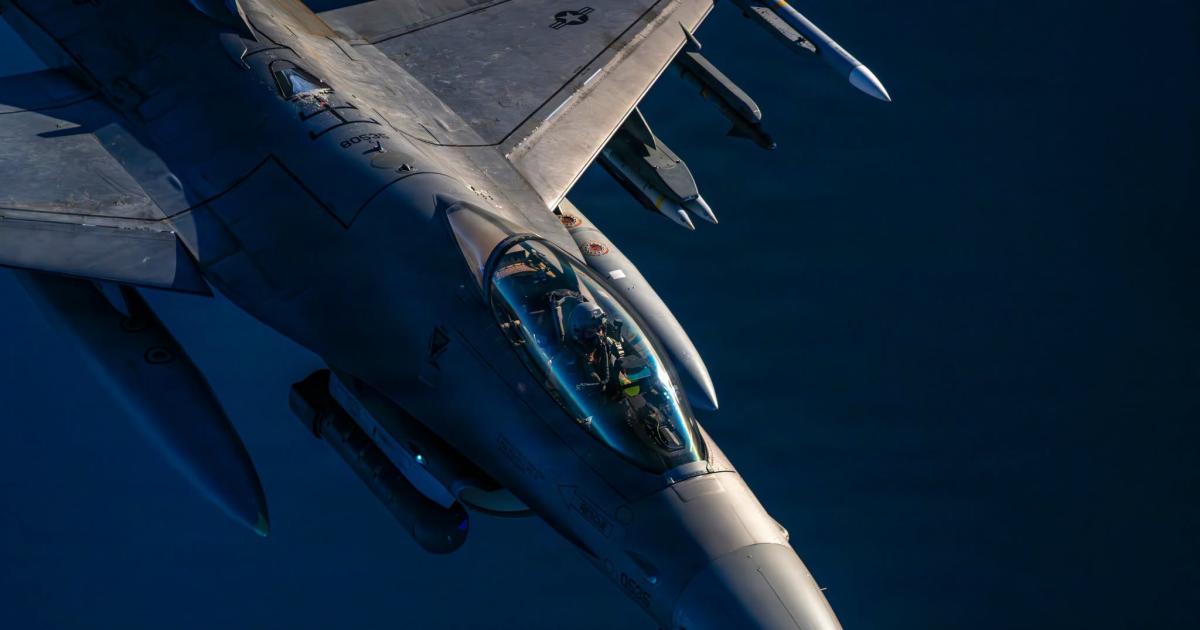
Informed sources stated that Saudi Arabia has taken practical steps reflecting this shift, including approving the use of King Fahd Air Base in the western region by US forces. This decision represents a remarkable change in the Saudi position, which previously tended to refuse the use of its territory or airspace for direct military attacks against Iranian targets.
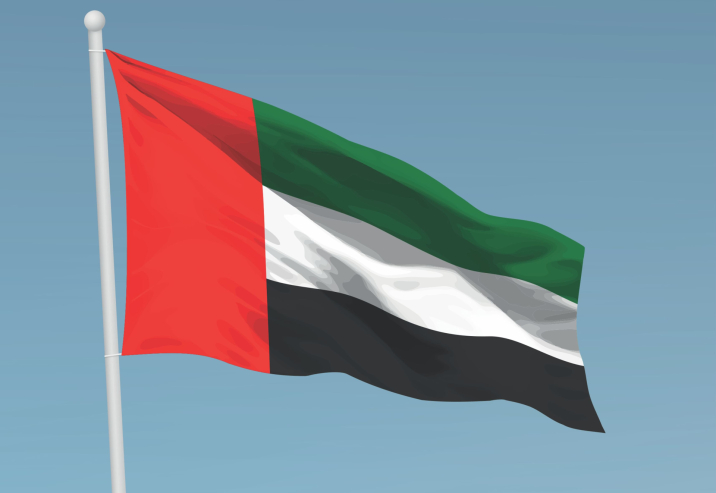
In the UAE, authorities began taking strict financial and administrative measures targeting assets and institutions linked to the Iranian Revolutionary Guard, including the closure of health and social facilities in Dubai. These steps aim to tighten the financial noose on Tehran and reduce its ability to access global markets, as part of a strategy to weaken Iranian military funding.
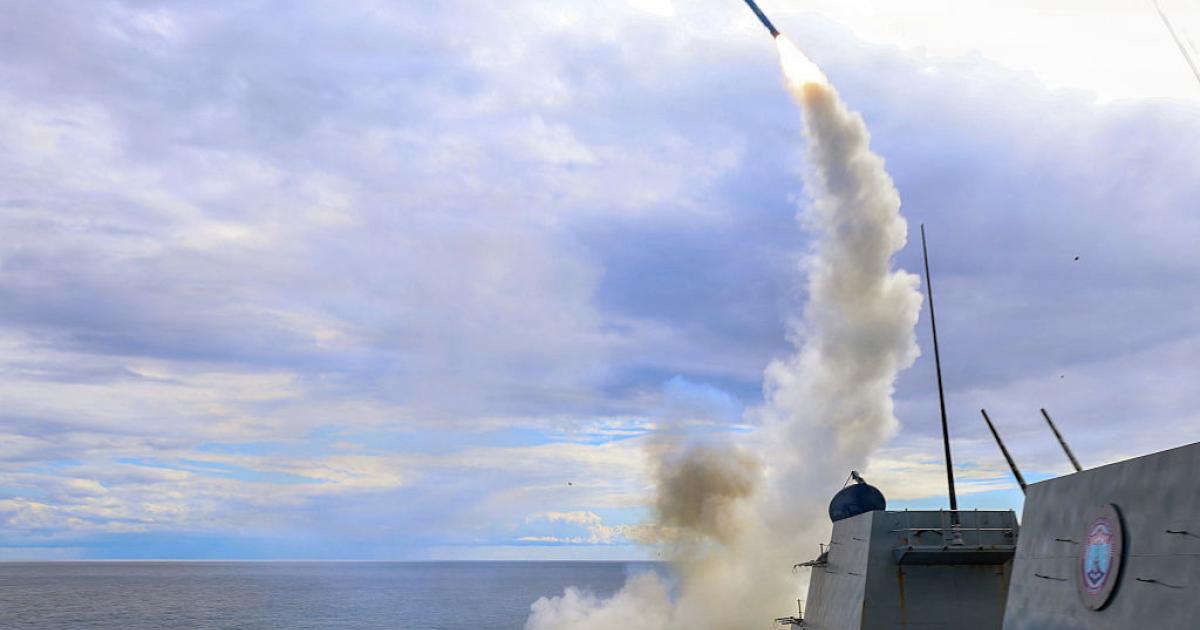
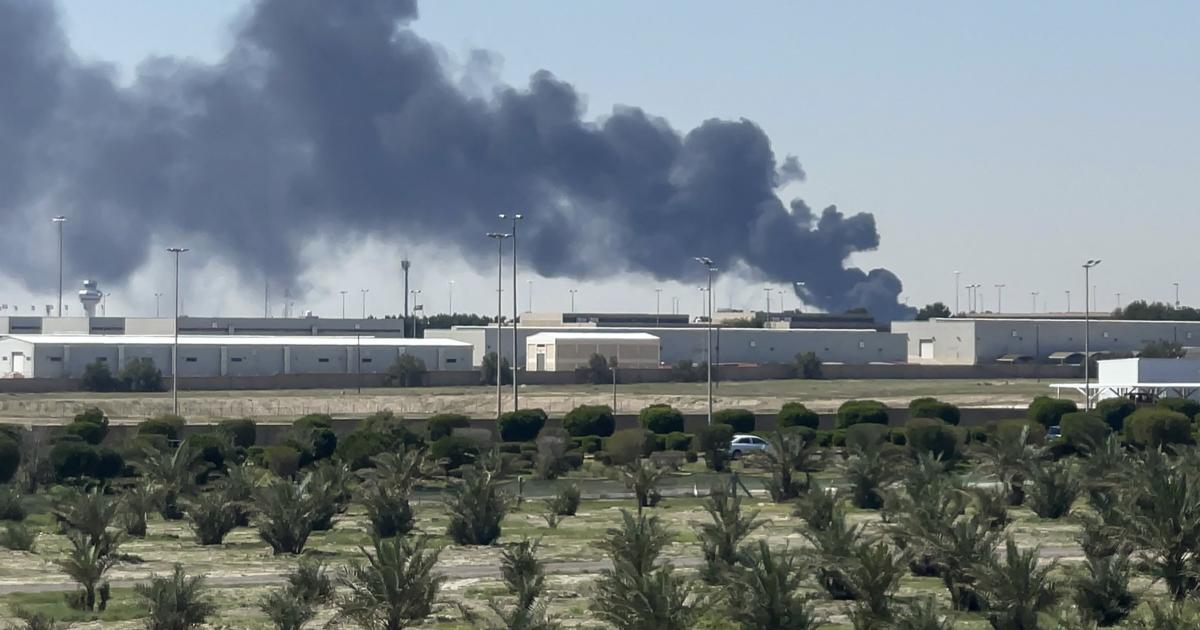
Field data indicates that Iran has already launched missile and drone attacks targeting energy facilities in several Gulf countries, in response to Israeli strikes targeting Iranian oil facilities. This mutual escalation has placed Gulf economic interests in the eye of the storm, reinforcing the conviction among leaders of the need to restore deterrence to protect global energy security.
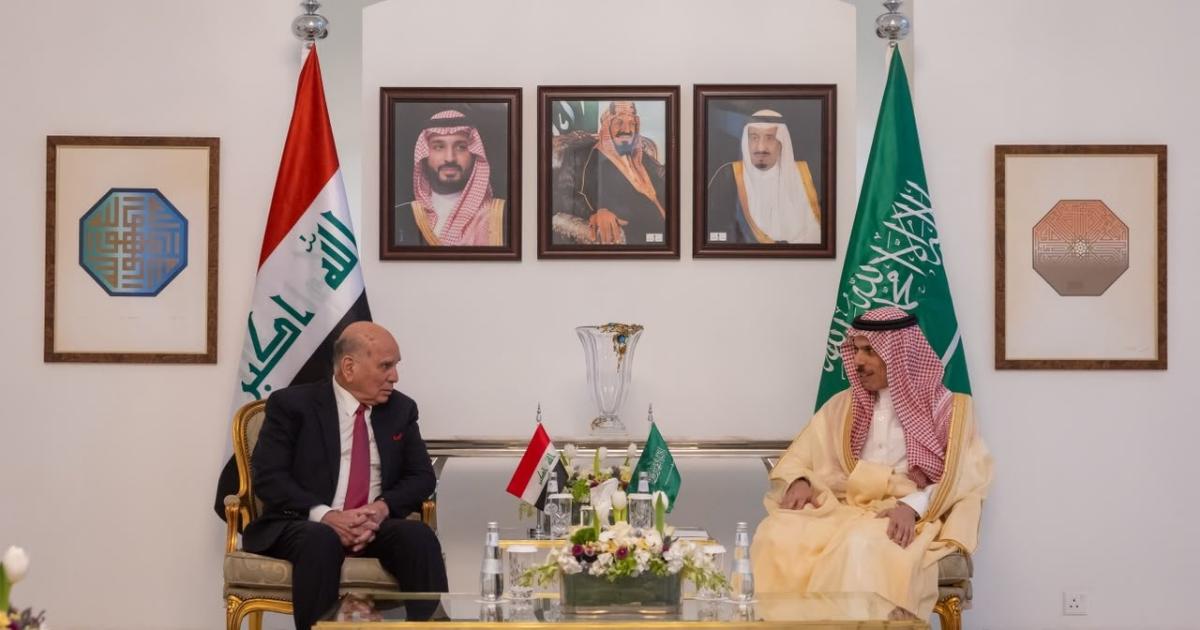
Saudi Foreign Minister Prince Faisal bin Farhan stated that the Kingdom's patience with Iranian transgressions and attacks has limits, warning against any misjudgment of the Gulf states' ability to respond. These statements reflect a firm tone indicating that the option of participating in military operations is strongly on the table for political decision-making in Gulf capitals.
Despite these escalatory moves, caution still hangs over the general Gulf position, fearing being drawn into a comprehensive war that could lead to widespread destruction of vital facilities. Leaders in the region feel they are part of a broader international coalition led by Washington, but they are carefully balancing the need for military response with the long-term political and security consequences of any direct involvement.
We do not want the war to turn into a war of attrition between the countries of the region, as retaliatory actions, especially against Gulf countries, entail such a danger.

Share your opinion
Turkish moves to prevent the Gulf from sliding into military confrontation with Iran