






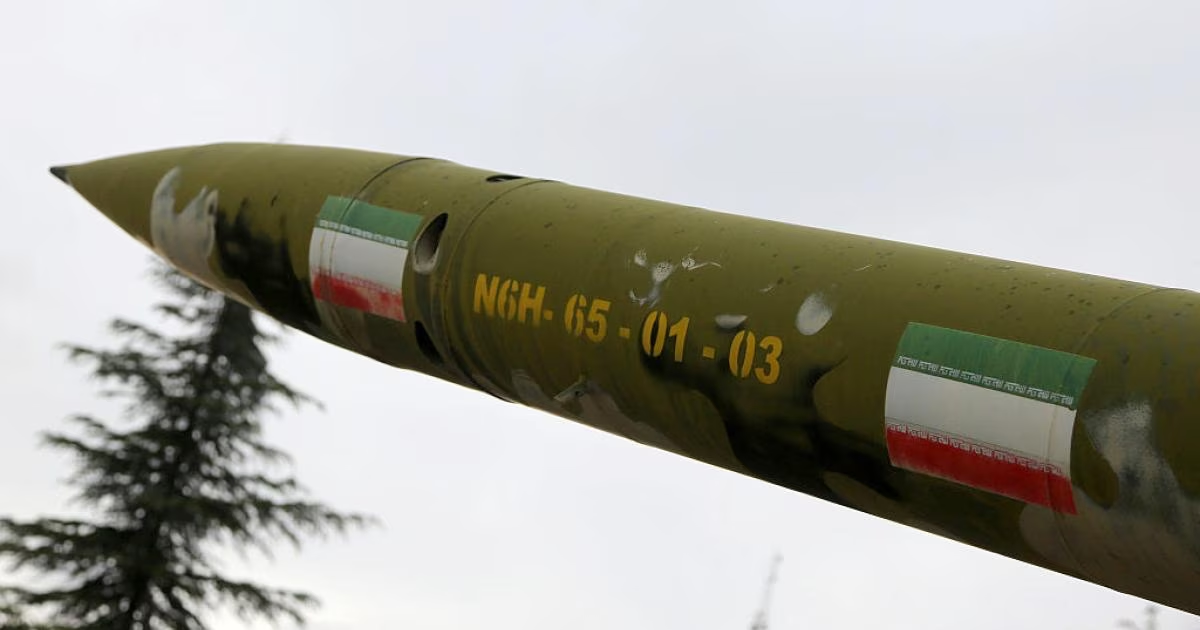
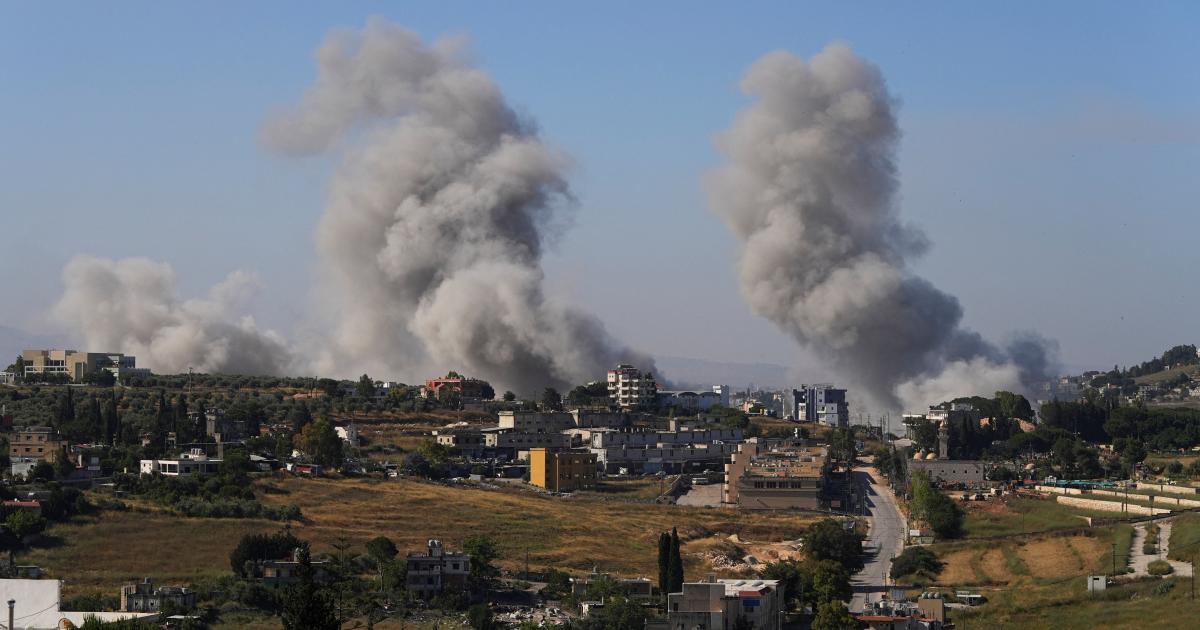
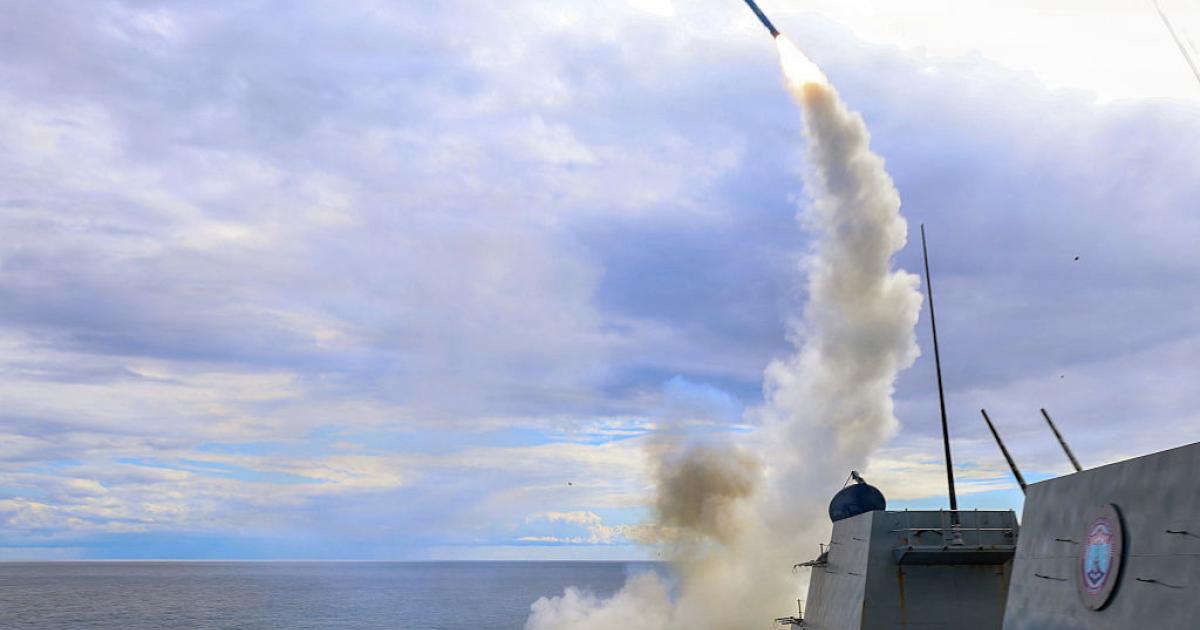
The Operations Command of the Iranian Army, known as the 'Khatam al-Anbiya' headquarters, announced the execution of a wide series of missile and aerial attacks using drones against multiple targets. Military sources clarified that this wave of bombardment was followed by additional volleys targeting deep within the occupied territories, as part of a new field escalation reflecting the tension in regional conditions.
The spokesperson for the Iranian Army affirmed that the military operations focused on striking sensitive strategic, security, and military centers, noting that the number of targets hit by the bombardment exceeded 70 sites. These attacks come in the context of ongoing Iranian reactions to military movements in the region, amidst assurances of the accuracy of the hits achieved on the targeted facilities.
In a remarkable development, Tehran claimed to have targeted a US F-18 warplane using an advanced air defense system belonging to the naval force of the Revolutionary Guard in the Chabahar region overlooking the Indian Ocean. Despite this detailed announcement, the US side quickly officially denied the incident, confirming that none of its aircraft were hit in that area.
Attacks were not limited to inside Israel but also included targeting gatherings of US forces and sites belonging to groups described by Tehran as separatist in the city of Erbil in the Iraqi Kurdistan region. Iran accuses these groups of receiving direct support from Washington and Tel Aviv and using Iraqi territory as a launchpad for subversive operations against Iranian national security.
Sources indicate that these moves fall within a comprehensive Iranian strategy aimed at pressuring international and regional powers by activating multiple fronts. This escalation coincides with intelligence reports speaking of the arrival of new US military reinforcements to the Middle East, raising concerns about the possibility of a widespread ground confrontation.
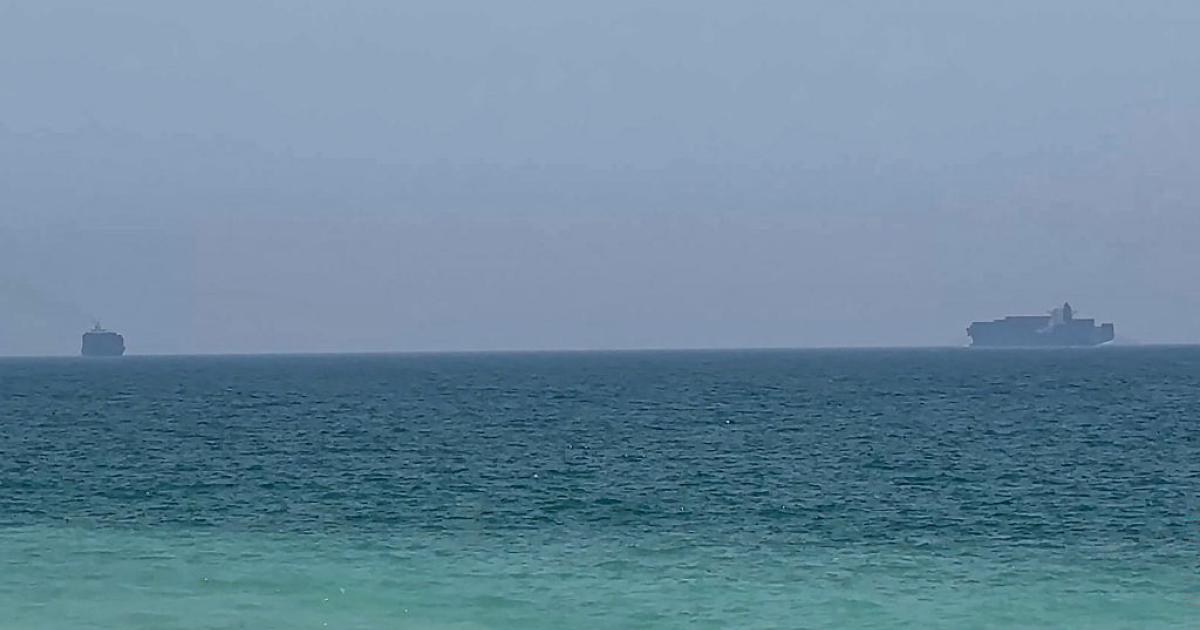
On the political front, the Strait of Hormuz issue emerged as one of the most prominent pressure cards Tehran is waving in the face of the international community. Iranian Foreign Minister, Abbas Araghchi, stated that his country demands a radical change in the mechanisms of dealing with the Strait, ensuring full international recognition of Iran's role in managing navigation traffic and securing the vital waterway.
In a step that reinforces this trend, the Iranian Parliament revealed the study of a new bill aimed at imposing financial fees on commercial ships and tankers crossing the Strait of Hormuz. The proposal aims to collect sums for insurance and protection services provided by Iranian forces, similar to systems in place in other international waterways around the world.
The bill is expected to be presented to parliamentary research centers and specialized committees next week to complete the final legal drafting. Observers believe that this legislative move represents a powerful political tool to support the decisions of the Iranian leadership in times of crisis, as happened previously when strategic laws were enacted to respond to international sanctions.
A state of skepticism prevails in political circles in Tehran regarding American intentions related to resuming negotiations, as Iran believes that Washington is trying to buy time to reposition its forces. Accordingly, Tehran rejects a set of conditions conveyed through mediators, adhering to its demands for a cessation of war, financial compensation, and binding security guarantees.
In conclusion of the statements, leaders in the Revolutionary Guard stressed that any future agreement would not be made in isolation from Iran's allies in the region, in a clear reference to resistance factions. Tehran continues to demonstrate the strength of 'unity of fronts' by publishing documentation of joint military operations, affirming that the decision of peace or war is organically linked to the interconnectedness of these fronts.
The attacks targeted strategic, military, and security centers inside Israel, hitting more than 70 targets in the occupied territories.
Share your opinion
Widespread Iranian Escalation: Missile Strikes Target 70 Sites, Parliament Threatens to Impose Fees in Strait of Hormuz