







Field and political indicators in Tel Aviv are escalating towards a serious move to deepen ground military operations in South Lebanon, as part of Israeli efforts aimed at redrawing the security reality on the northern border. Media sources close to the Prime Minister's office reported that the political level has taken an official decision to remove what are described as security threats by imposing broad ground control.
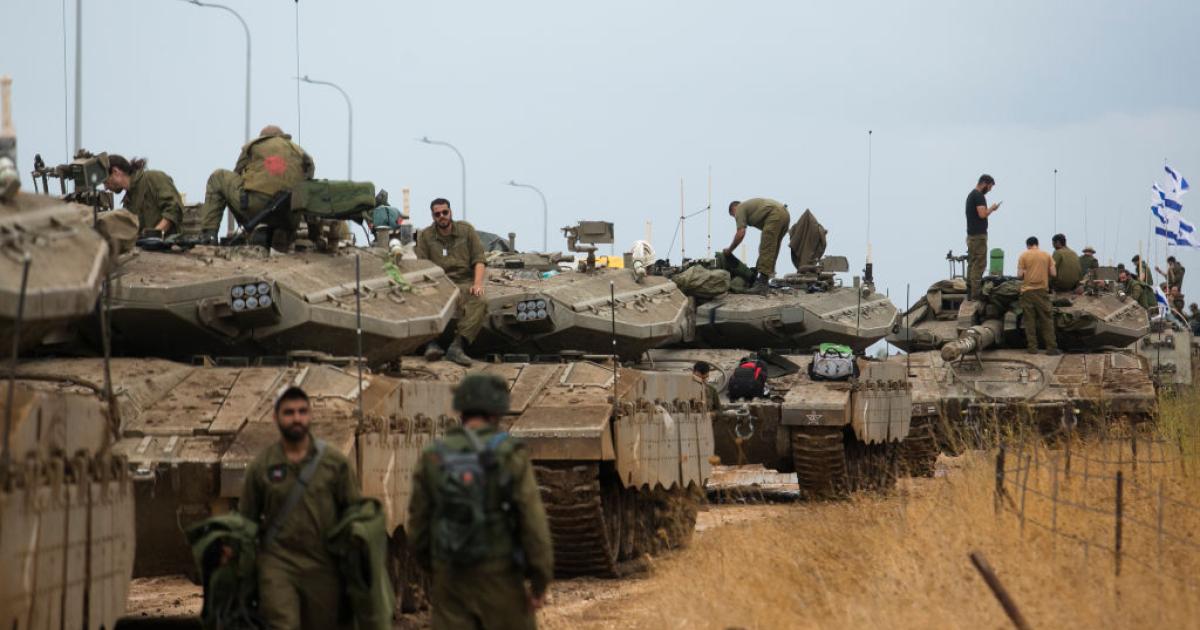
The new Israeli plan involves an incursion up to 8 kilometers deep into Lebanese territory along the border strip, with a focus on occupying specific geographical locations. These movements include full military control over approximately 18 strategic and commanding points, giving Israeli forces the ability to monitor and control operations up to the Litani River.
Informed sources confirmed that this approach, in its objectives and tactics, goes beyond what occurred during ground operations in previous wars, as the Israeli leadership insists on not withdrawing from these new positions. This insistence is linked to achieving a stated goal of disarming Hezbollah in those areas and ensuring that its elements do not return to the front line.
In a meeting with heads of local authorities in border areas, Israeli Prime Minister Benjamin Netanyahu stressed that expanding the buffer zone has become an urgent necessity to reduce the risk of guided missiles. Netanyahu explained that the effective range of anti-tank missiles, which ranges from 7 to 8 kilometers, compels the army to push the threat beyond this distance.
Netanyahu also called on local officials to take measures to prevent further evacuation of border towns, considering that the stability of residents in their homes is part of the current war's objectives. He indicated that the ongoing military operations primarily aim to provide sufficient security to allow the return of displaced persons and end the state of instability in the north.
In parallel with field movements, an Israeli strategy emerges aimed at completely separating the Lebanese front from the broader confrontation with Iran. Through this maneuver, Tel Aviv seeks to ensure the continuation of its military operations in South Lebanon even if understandings or ceasefire agreements are reached on other fronts.
Press sources quoted Israeli officials as saying that the US administration has become aware of this approach based on managing two separate tracks for the war, where the Lebanon file remains open for independent military settlement. This move aims to thwart any attempts to link de-escalation in Lebanon with complex regional issues involving Tehran.
In the same context, the Israeli government is trying to reassure residents of the north who have sharply criticized previous security promises that did not translate into tangible reality on the ground. Mayors demanded the creation of a real buffer zone deep inside Lebanese territory to serve as a barrier preventing any infiltration or direct targeting of settlements and border towns.
On the ground, estimates indicate that Israeli forces have already crossed what is known as the second line of the border in several sectors, with incursions and preliminary shelling continuing. Military reports speak of the possibility of expanding this control to reach a depth of 20 kilometers in some areas, especially in the western and central sectors.
This proposed geographical expansion aims to establish the Litani River as an effective security border, giving the Israeli army sufficient space for maneuver and deterrence. Observers believe that these steps reflect an Israeli desire to impose a new reality by military force before entering into any serious political negotiations about the future of the border.
These developments recall the experience of the buffer zone imposed by Israel in South Lebanon between 1985 and 2000, which ended with a unilateral withdrawal. Despite historical reviews that considered that experience a reason for the growth of resistance, the current leadership seems determined to repeat the option under different circumstances.
Israel, in its current plan, is banking on changes in political and internal data in Lebanon, as well as the military and political support it receives to carry out its operations. However, expectations still indicate that this incursion may lead the region to more complex scenarios amid continued violent confrontations on the ground.
In conclusion, the scene in South Lebanon remains open to all possibilities, with Israel continuing to strengthen its ground presence and occupy new strategic points. Sources confirm that the coming days will be crucial in determining the Israeli army's ability to consolidate its new control points in the face of ongoing field resistance.
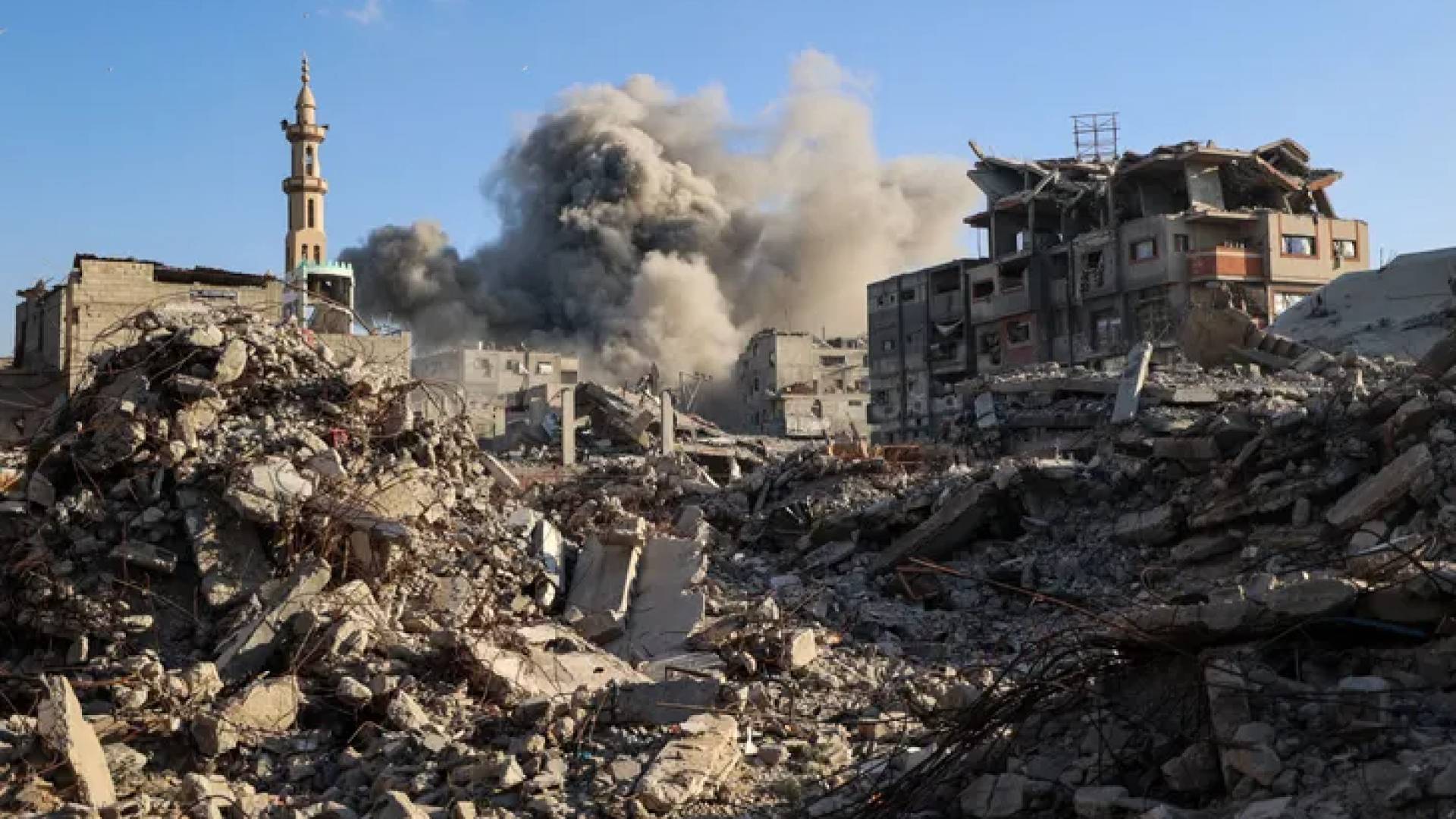
Israel intends to expand the buffer zone in the coming period to reduce the risk of anti-tank missiles, which have a range of 8 kilometers.

Share your opinion
Israeli Decision to Expand Ground Incursion into Lebanon and Occupy Strategic Sites 8 Kilometers Deep