






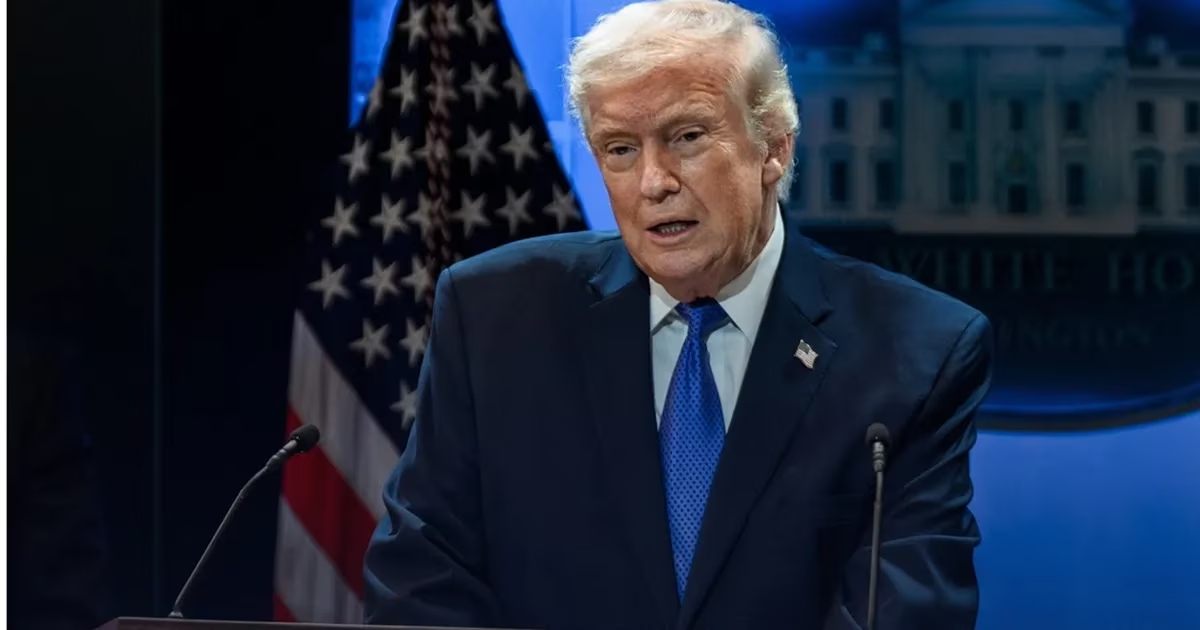
The foreign policy of the US administration, led by President Donald Trump, has witnessed a dramatic shift regarding the Iranian issue in recent days. After a period of rigidity and ruling out any chance of an agreement, Trump showed a surprising openness to dialogue, indicating that the Iranian leadership is now looking for a way out of the current crisis.
Informed sources reported that this change was not accidental, but rather the result of a series of indirect contacts and intense pressure exerted by Washington's allies in the Gulf region. These allies warned that continuing the military escalation approach could lead to dire consequences affecting the stability of the entire region.
In a speech delivered to a crowd in Memphis, Tennessee, Trump affirmed that Tehran has shown a genuine desire to reach a political settlement. The US President said confidently: 'They want a settlement, and we will get it done,' signaling the beginning of a new phase of active diplomacy.
Before leaving the White House on Friday, Trump reinforced this direction with striking statements emphasizing the need to preserve the other party to ensure the success of any agreement. He clarified that a sustainable ceasefire cannot be achieved under a policy of complete annihilation of the adversary, reflecting a change in the administration's negotiating philosophy.
Leaked information indicates that the US administration is currently working through multilateral diplomatic channels to ensure its messages are accurately conveyed to Tehran. Names of countries such as Pakistan, Turkey, Egypt, and Oman emerge as key mediators in this complex process aimed at de-escalation.
US proposals circulated behind the scenes include a list of 15 basic points aimed at addressing the security concerns of Washington and its allies. These points include strict restrictions on Iran's nuclear program, an end to support for pro-Tehran factions in the region, and recognition of Israel's right to exist.
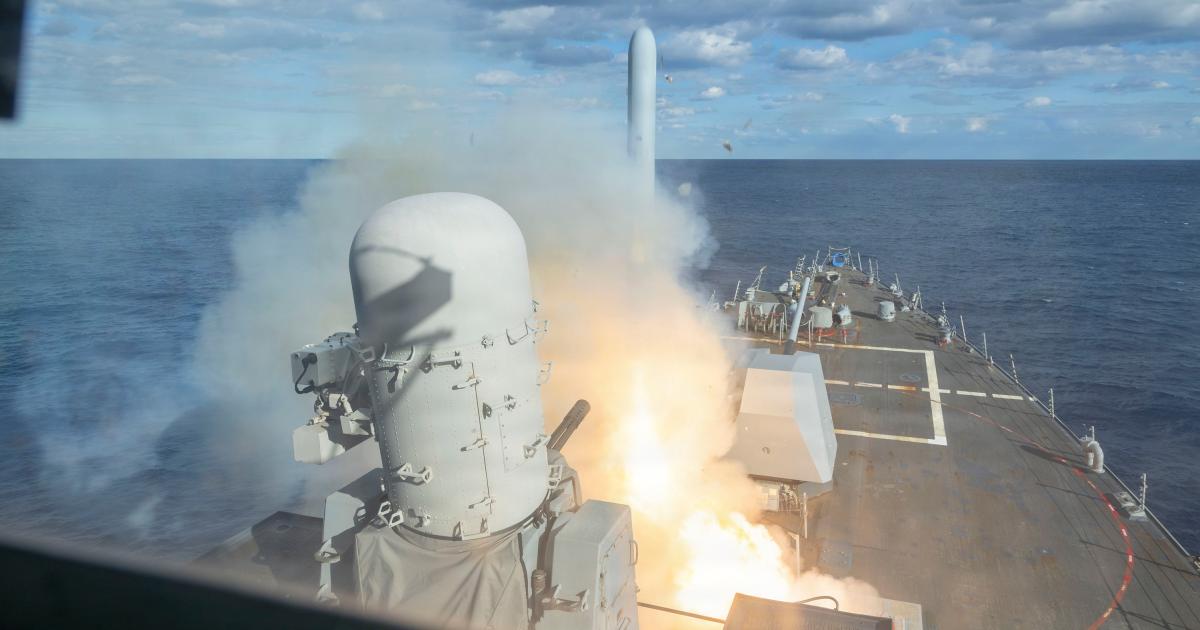
Despite this diplomatic openness, US field movements still reflect a state of extreme caution and anticipation. Washington continued to send additional Marine units to the Middle East, as a precautionary measure to confront any potential escalation that might occur during the negotiation period.
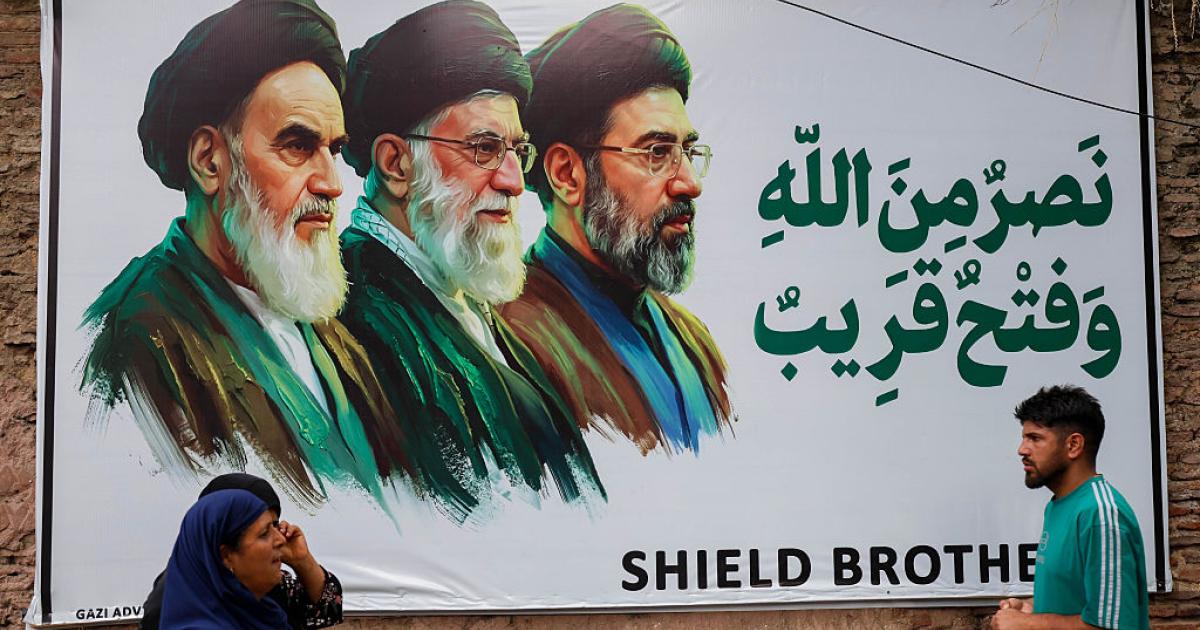
For its part, Tehran maintained a cautious stance, officially denying any direct negotiations with the US side at present. However, Iranian Parliament Speaker Mohammad Bagher Ghalibaf did not deny the possibility of exploring negotiation paths through mediators, which opens the door to possibilities of de-escalation.
Observers believe that economic pressures played a decisive role in pushing Trump towards this new diplomatic path. The announcement of potential talks led to an immediate rebound in the Wall Street stock market and a significant drop in global oil prices, which serves the administration's economic agenda.
US allies in the Gulf warned that any targeting of Iranian energy facilities would lead to catastrophic reactions affecting civilian infrastructure in the region. These warnings prompted Trump's advisors to re-evaluate the strategic risks of a direct military option against Tehran.
As part of international coordination, senior officials in the Trump administration, led by Vice President J.D. Vance, were keen to keep Israel informed of developments. High-level contacts also took place with British Prime Minister Keir Starmer to ensure a unified international front towards the new proposals.
Regional mediation efforts aim to secure international navigation lanes, especially in the Strait of Hormuz, as part of confidence-building measures. Washington considers ensuring the safe passage of ships a top priority that cannot be compromised in any future agreement with the Iranian side.
Trump stressed in his recent statements that his long experience in the world of negotiations makes him capable of assessing the seriousness of the other party. He affirmed that the Iranians this time appear 'serious' in their desire to end international isolation, provided a formula is reached that preserves the interests of all concerned parties.
Questions remain about the extent to which the two sides can overcome decades of hostility and mutual suspicion to reach a comprehensive agreement. Although the path is still fraught with risks, the current shift represents a rare opportunity for diplomacy to avoid a widespread regional conflict in the Middle East.
A ceasefire cannot be achieved when you are completely annihilating the other side.

Share your opinion
From Escalation to Negotiation: The Inside Story of Trump's Sudden Shift in Strategy Towards Iran