






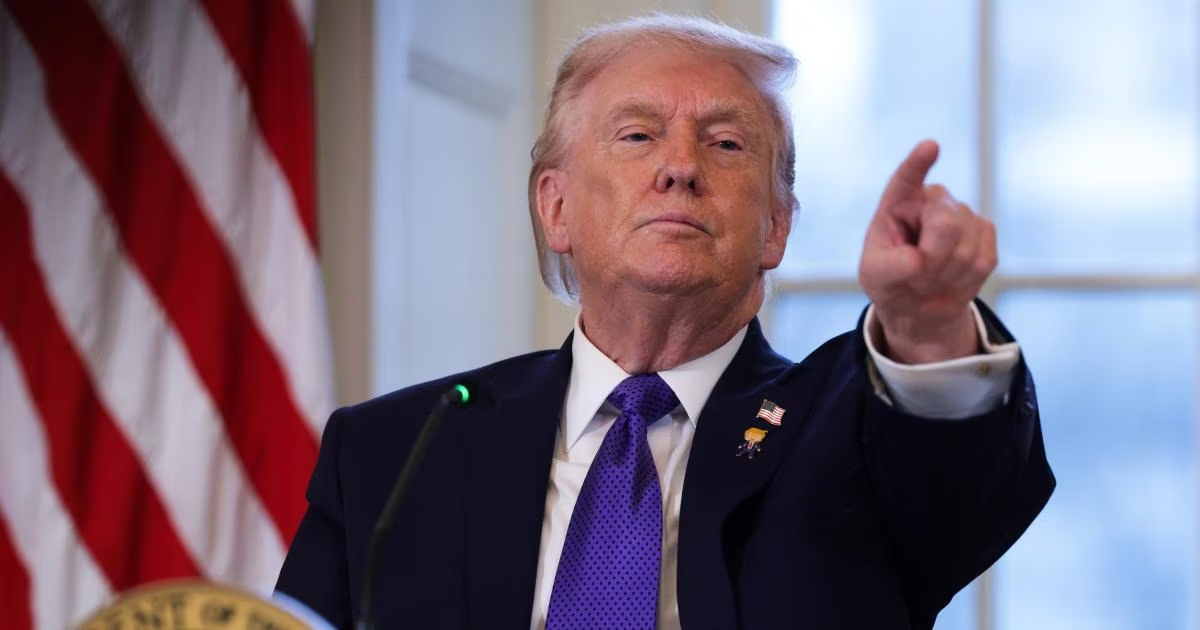
US President Donald Trump issued a stern warning to the Iranian leadership, threatening to target and destroy the country's energy facilities and power plants. Trump stipulated that for Washington to back down from this step, Tehran must fully open the Strait of Hormuz to international navigation within a period not exceeding 48 hours.
Trump clarified via his 'Truth Social' platform that potential American attacks would target various Iranian power plants, emphasizing that the largest and most vital plants would be the first. This threat comes amidst escalating tensions following Tehran's decision to restrict movement in the strategic waterway in response to joint military operations.
Iranian authorities had announced on March 2nd the imposition of strict restrictions on navigation in the Strait of Hormuz, threatening to target any vessels crossing the passage without prior coordination with them. Tehran considers this a legitimate response to what it describes as ongoing American-Israeli aggression against its territory and leadership.
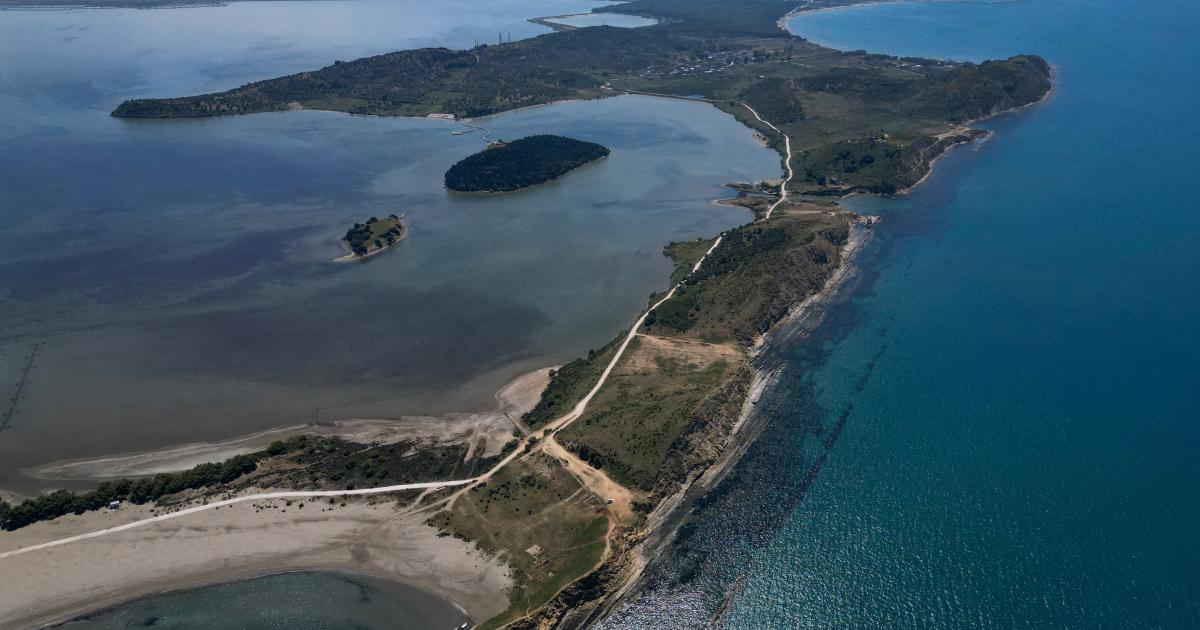
The Strait of Hormuz represents a major lifeline for the global economy, with approximately 20 million barrels of oil flowing through it daily to international markets. The closure of the strait or the threat thereof has led to sharp jumps in global energy prices, as well as an unprecedented rise in insurance and maritime shipping costs.
In a related context, the US President claimed that the United States had already succeeded in achieving its military objectives against Iran weeks ahead of schedule. Trump alleged that the Iranian naval and air forces had been completely eliminated, indicating that the country currently lacks any effective defense systems.
For his part, Iranian Foreign Minister Abbas Araghchi affirmed that his country is prepared to secure the passage of ships for some countries, such as Japan, if direct coordination with Tehran is established. Araghchi stressed that safe navigation is linked to respecting Iranian sovereignty and ceasing support for military operations targeting national facilities.
On the ground, Iran continues its military responses for the third consecutive week by launching dozens of missiles and drones towards Israeli targets. Media sources reported the most violent missile attack hours ago, targeting areas in southern Israel, resulting in the destruction of an entire neighborhood and injuring dozens with varying degrees of severity.
The office of Israeli Prime Minister Benjamin Netanyahu described the current situation as a 'very difficult night,' noting that Israel is fighting a fateful war for its future. These statements coincide with the ongoing intensive airstrikes launched by Israeli and American forces on strategic sites deep within Iranian territory.
It is worth noting that the military escalation, which began on February 28th, has resulted in hundreds of deaths on the Iranian side, including Supreme Leader Ali Khamenei and prominent security commanders. Despite the significant human and material losses, Tehran continues to insist on pursuing its missile operations, placing the region before scenarios open to a comprehensive regional war.
If Iran does not fully open the Strait of Hormuz, without any threat, within 48 hours from now, the United States of America will strike and destroy its various power plants, starting with the largest.
Share your opinion
Trump gives Iran 48 hours to open Strait of Hormuz, threatens to destroy power plants