






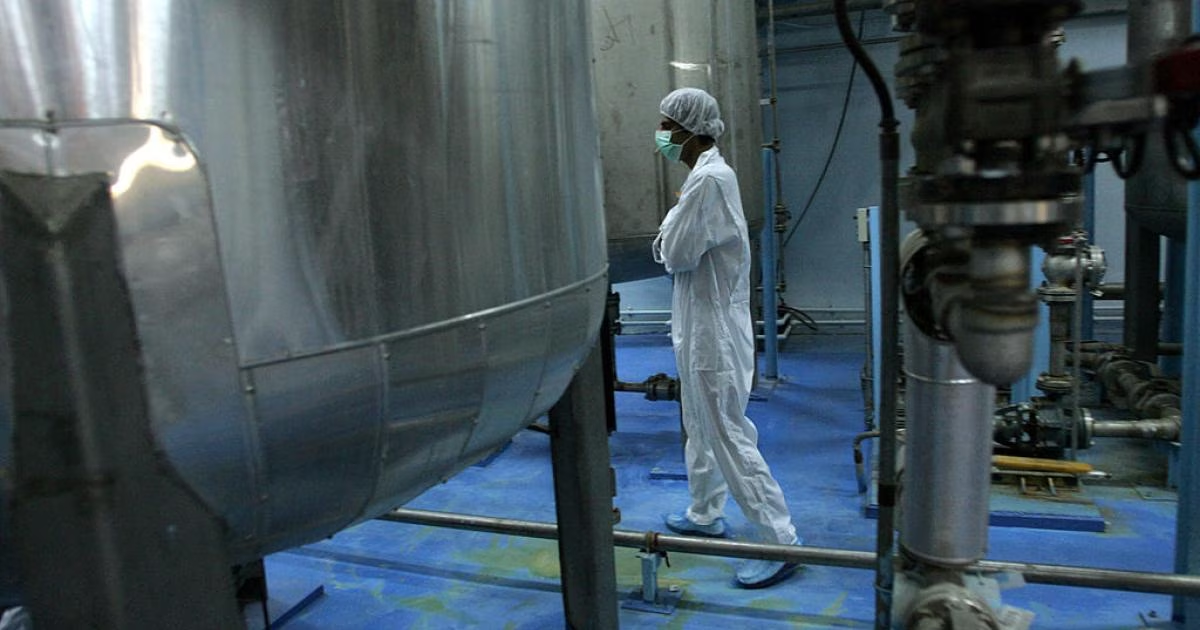
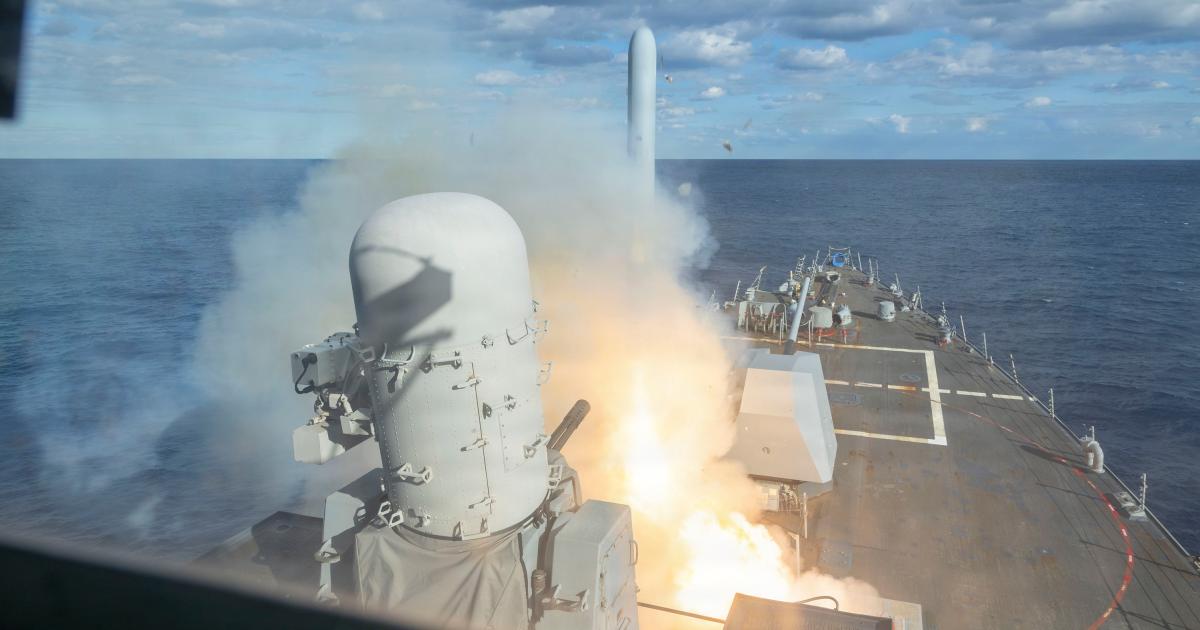
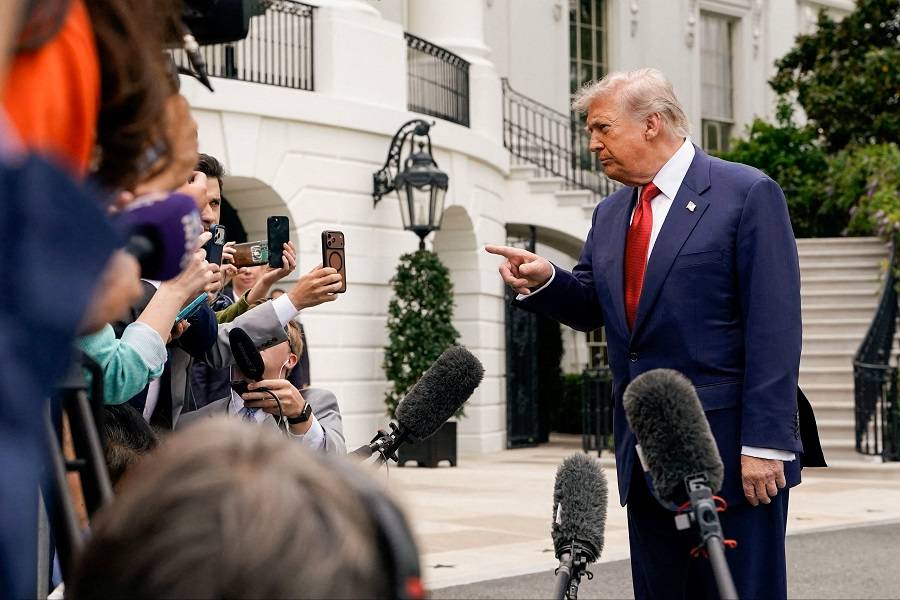
Decision-making circles in the United States are witnessing a dramatic shift in dealing with the Iranian nuclear file, as the issue has moved from diplomatic negotiation tables to a bank of potential military targets. Media reports indicate that US President Donald Trump is seriously considering strategic options aimed at securing or extracting sensitive nuclear materials possessed by Tehran.
Leaked information suggests that US plans focus on the possibility of involving the Joint Special Operations Command (JSOC), the most secretive and specialized forces in the US military. These units are entrusted with high-risk missions that require extreme precision, especially concerning handling weapons of mass destruction and strategic materials in hostile environments.
This move comes amid growing international concern, as the International Atomic Energy Agency announced its inability to locate approximately 400 kilograms of highly enriched uranium. This disappearance followed airstrikes targeting three Iranian nuclear sites last June, creating an intelligence and security gap that raises concerns for Washington and its allies.
For his part, Rafael Grossi, Director General of the International Atomic Energy Agency, expressed deep skepticism about the feasibility of any limited military action against Iranian facilities. Grossi explained that the Iranian nuclear program is not just a single facility, but an integrated and complex system built and distributed over decades in multiple, fortified geographical locations.
Recent satellite images have detected intensive Iranian defensive movements, including filling tunnel entrances at vital nuclear sites with massive amounts of soil and concrete. These steps are clearly aimed at obstructing any ground attempt to access sensitive materials, making any airborne operation or ground assault a complex and extremely difficult task.
Nuclear physics experts confirm that handling highly enriched uranium requires special equipment due to the weight of the cylinders in which these materials are stored. Each cylinder weighs approximately one hundred pounds and is designed with reinforced casings, making its rapid transport under combat fire an unprecedented logistical challenge for attacking forces.
In the context of military analysis, media sources reported that the Iranian side transferred an estimated 441 kilograms of enriched uranium during recent periods of escalation. These quantities were distributed into cylinders, each 70 centimeters long, which facilitates their concealment and distribution in underground facilities that are difficult to penetrate.
Military analysts believe that the presence of approximately 22 nuclear cylinders distributed in fortified locations means that airstrikes alone will not be sufficient to neutralize the nuclear threat. This reality forces military planners to consider ground landing operations involving engineering teams and nuclear experts, a scenario that carries the risks of a comprehensive regional war.
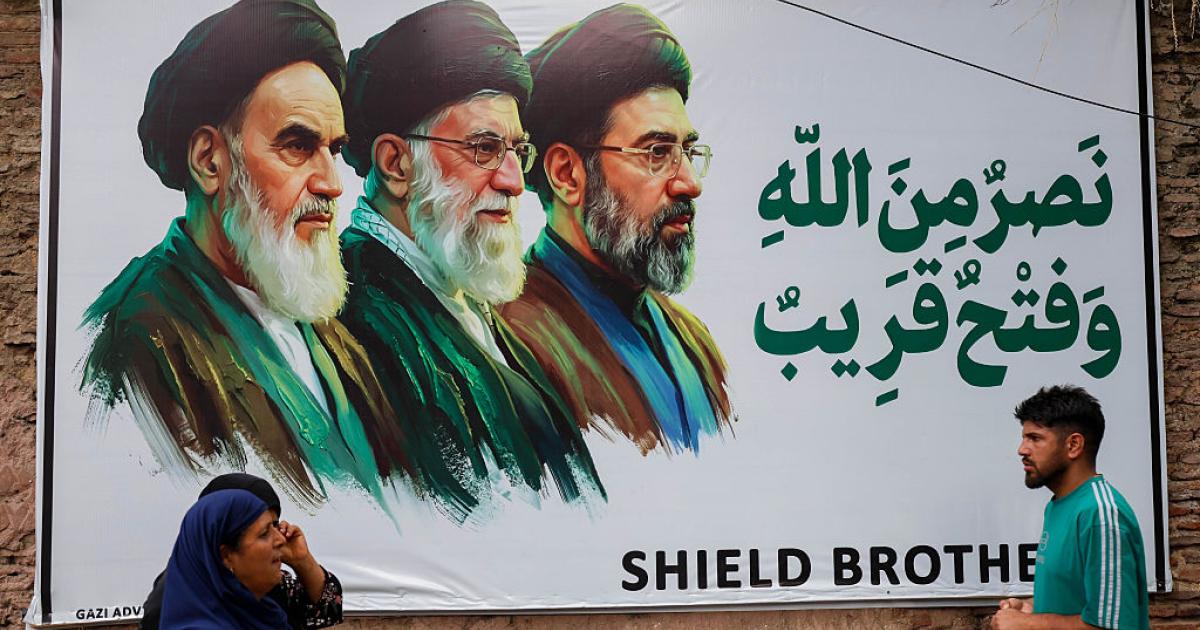
On the political front, Tehran insists that its nuclear program is for peaceful purposes only, categorically denying any pursuit of nuclear weapons. Iranian officials have warned that any aggression against their sovereignty or vital facilities will be met with a 'shattering' response that extends beyond the immediate geographical boundaries of the conflict.
It appears that the nuclear file has now become the decisive point in the long conflict between Washington and Tel Aviv, on one hand, and Tehran, on the other. With the decline of diplomatic solutions, the probabilities of sliding into a military confrontation that could completely redraw the geopolitical map of the Middle East are increasing.
Any American ground intervention to control uranium requires extremely precise intelligence coordination, which US and Israeli intelligence agencies may be banking on. However, the risk remains that Iran could exploit any attack to accelerate its steps towards acquiring full nuclear deterrence capabilities as a reaction to the existential threat.
In conclusion, observers believe that current US trends reflect a strategic desire to undermine Iranian influence and control the balance of power in the region. The coming days remain pregnant with possibilities, as the world awaits whether Washington will risk implementing a 'nuclear seizure' operation or remain within the framework of military pressure.
The Iranian nuclear program is a complex system built over decades, and eliminating it through limited military action is of doubtful success.
Share your opinion
Washington Considers Military Options to Seize Iranian Uranium Stockpile