







Swiss authorities have officially announced the suspension of all export licenses for weapons and war materiel destined for the United States of America, following the ongoing military escalation and reciprocal attacks with Iran. The government confirmed in a statement that this decision strictly adheres to the country's historical policy of neutrality, noting that it is impermissible to supply weapons to any party involved in active international armed conflicts.
In a related context, Sri Lankan President Anura Kumara Dissanayake revealed his country's rejection of a request from Washington to deploy warplanes on Sri Lankan territory this month. Dissanayake explained to Parliament that Colombo seeks to distance itself from the escalating tensions in the Middle East, emphasizing that maintaining sovereignty and neutrality is a top priority in dealing with conflicting international powers.
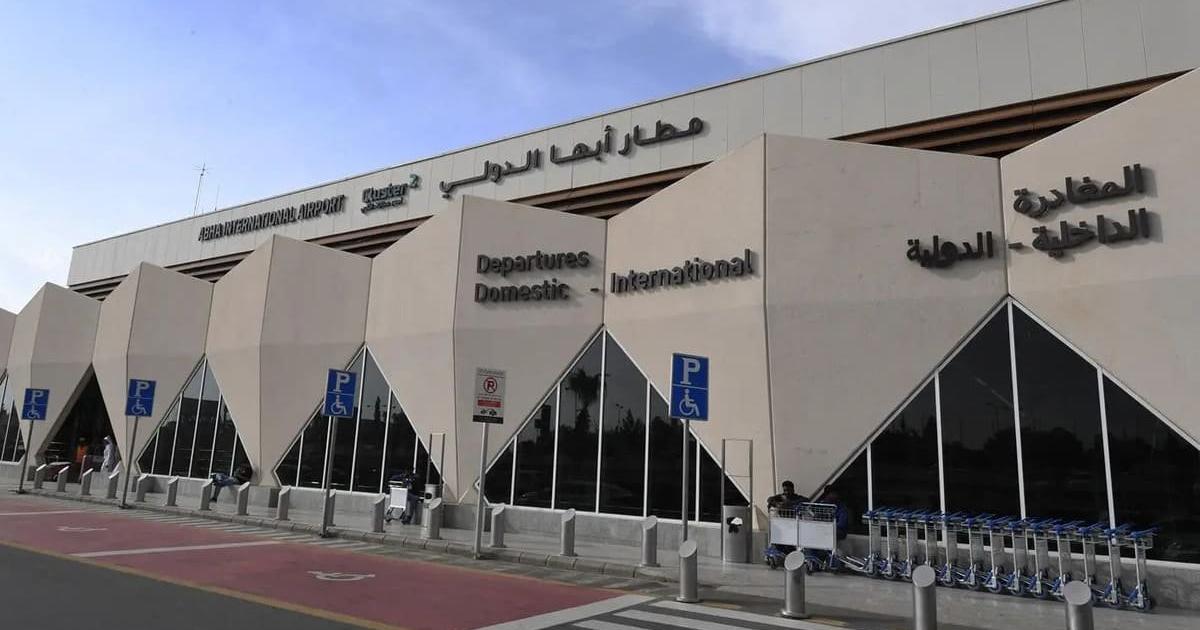
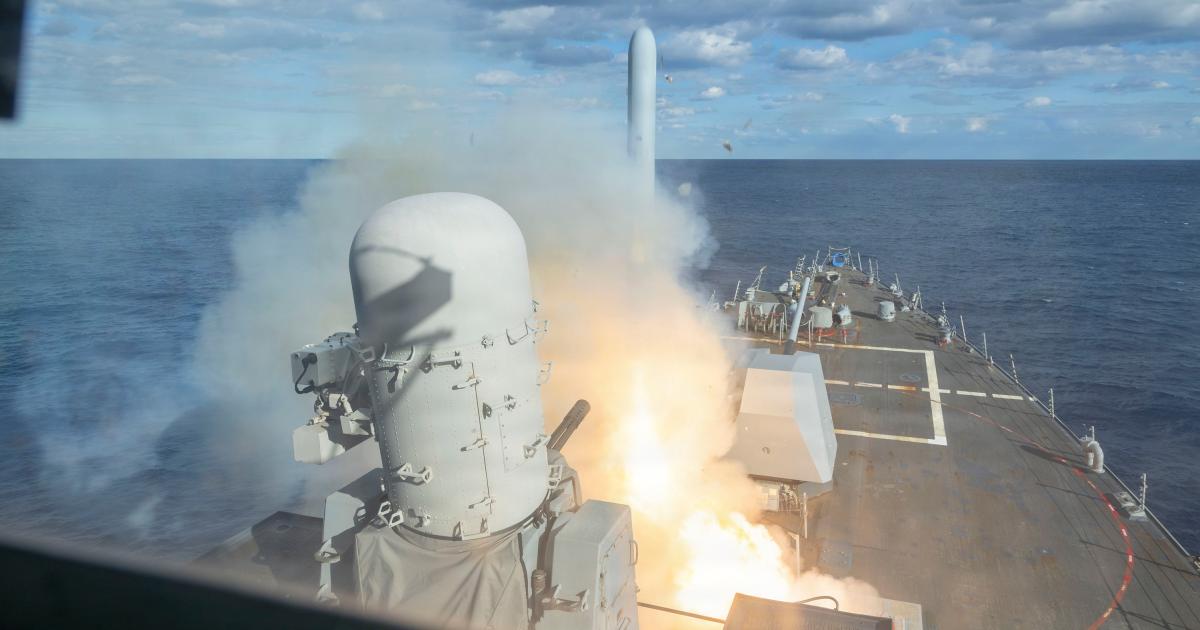
Technical details of the US request included Washington's desire to transfer two fighter jets equipped with eight anti-ship missiles from its base in Djibouti to Mattala International Airport in southern Sri Lanka. This operation was scheduled to take place between March 4 and 8, but the Sri Lankan presidency decisively rejected it to prevent its territory from becoming a launchpad for military operations.
Coinciding with the US move, Tehran submitted a similar request to allow three of its warships to dock in Sri Lankan ports during their return journey from military exercises in India. The Sri Lankan President affirmed that his country treated both parties equally, rejecting the Iranian request simultaneously with the US rejection, to avoid siding with any party in the ongoing conflict.
On the humanitarian front, official sources reported that Sri Lanka is still hosting 32 Iranian sailors who were rescued after their ship was targeted off the Sri Lankan coast earlier. Coordination has taken place with the Iranian side to repatriate the bodies of 84 crew members from the ill-fated ship, while President Dissanayake affirmed that his country distinguishes between humanitarian obligations and involvement in military alliances.
Regarding the repercussions of maritime incidents related to the conflict, reports indicated that a second Iranian ship suffered a technical malfunction while returning from India, with Sri Lanka receiving its crew to provide necessary assistance. In contrast, Indian authorities granted asylum to the crew of a third Iranian ship, amidst international anticipation for the fate of the sailors and increasing tensions in the vital waterways of the region.
Export of war materiel to countries involved in an international armed conflict with Iran cannot be permitted for the duration of the conflict.
Share your opinion
Switzerland and Sri Lanka adhere to neutrality, rejecting US and Iranian military requests