






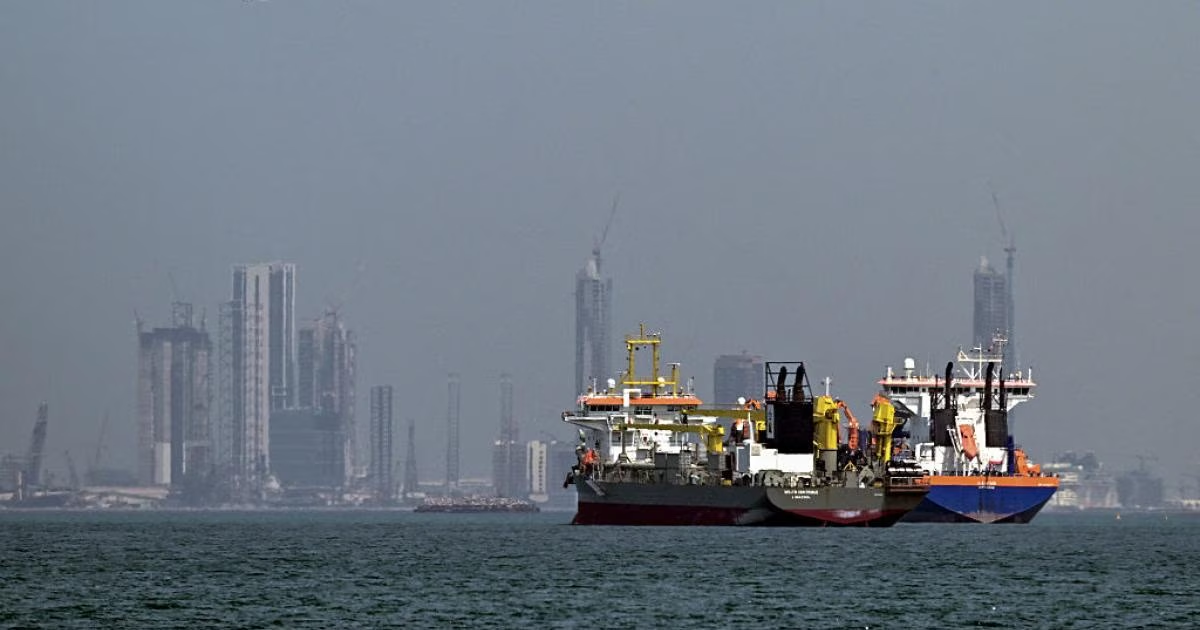
A cautious calm prevailed in the Iranian capital, Tehran, today, Thursday, as no new raids or targeting were observed after days of field tension. In parallel with this calm, intense political and military movements emerged, indicating an Iranian intention to use new strategic pressure cards in the face of continuous international pressure.
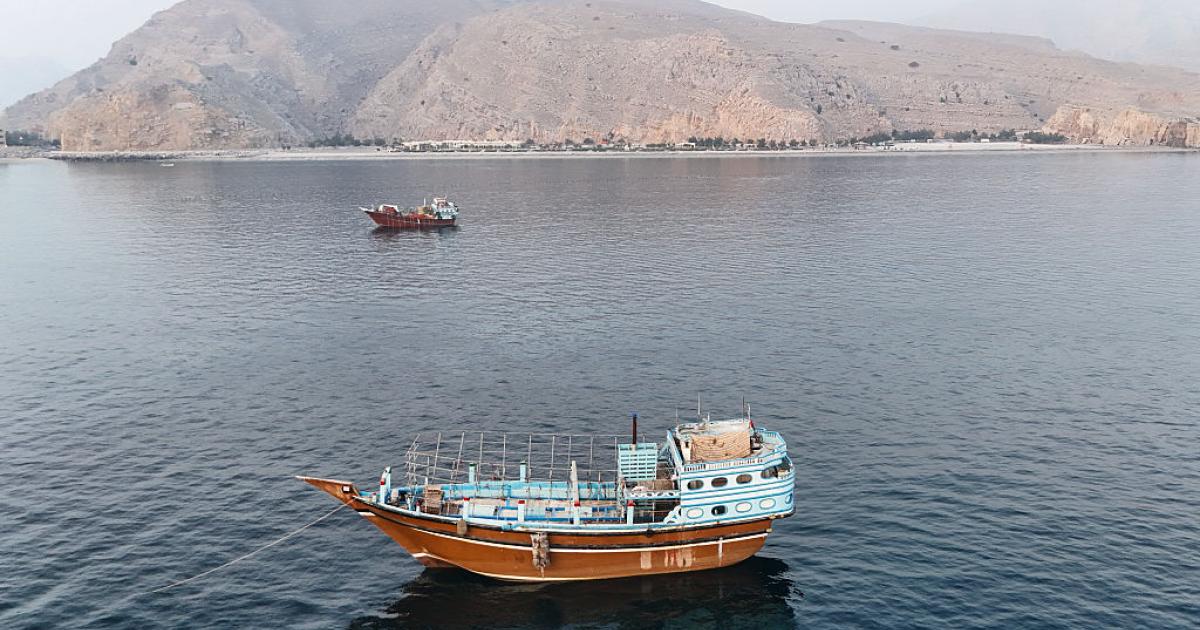
Informed sources in Tehran revealed a draft resolution being studied within the corridors of Parliament, with the support of the Iranian Supreme Leader's aide, Mohammad Mokhber, aimed at regulating navigation in the Strait of Hormuz. The proposal includes the possibility of imposing transit fees on ships and oil tankers crossing this vital waterway, as a sovereign and economic measure.
Iran's plan directly targets vessels belonging to countries that impose economic sanctions on the Islamic Republic, thus turning the strait into a political bargaining chip. Iranian officials believe that the field experience during the first days of the current confrontation proved the necessity of investing Iran's geographical location more effectively.
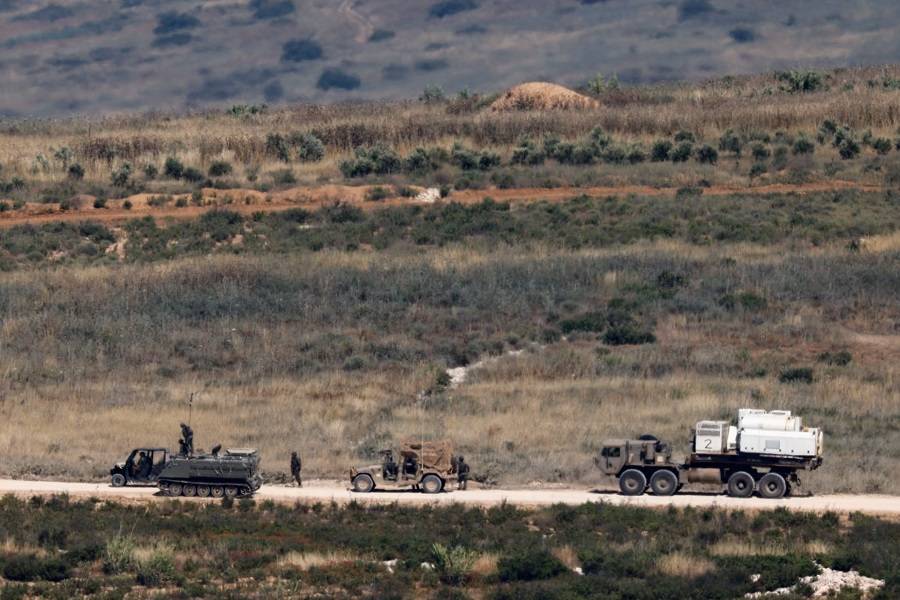
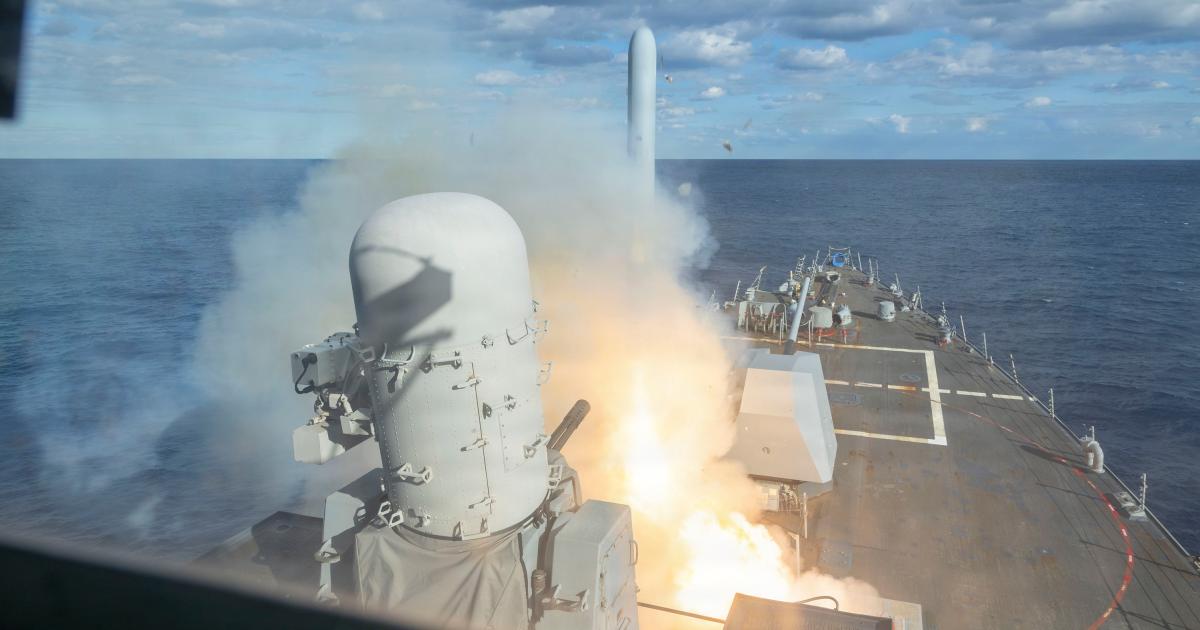
On the ground, military operations did not stop, as Iranian forces launched new batches of missiles and suicide drones towards targets inside Israel. These attacks come as part of the ongoing response to military operations led by the United States and Israel against Iranian interests in the region.
In the same context, Iranian air defenses announced their success in intercepting and shooting down a number of hostile drones from midnight yesterday until this morning. According to official data, the total number of Israeli and American drones that have been destroyed since the escalation began has risen to about 125 aircraft.
The spokesman for the 'Khatam al-Anbiya' military headquarters issued a strong warning against tampering with vital installations or Iranian infrastructure. The military leadership affirmed that any targeting of national facilities would be met with an immediate and similar response, which portends an expansion of the circle of mutual targets between the warring parties.
Diplomatically, the Iranian Foreign Minister led extensive efforts, including telephone calls with the European Union's foreign policy coordinator and a number of his counterparts in regional and international countries. Discussions included the foreign ministers of Egypt, Turkey, Pakistan, and Sweden, to discuss the repercussions of the current military escalation and the future of navigation in the region.
In a legal step, Tehran delivered an official letter to the UN Security Council and the United Nations, expressing its strong protest against the assassinations and targeting of Iranian officials. The letter considered these actions a blatant violation of international laws and state sovereignty, calling on the international community to assume its responsibilities towards this escalation.
The Iranian letter also included an official objection to the use of the territories of some neighboring countries by American forces as a launching pad for military attacks against Iran. These moves confirm that Tehran seeks to balance military pressure with legal and diplomatic moves, while keeping the option of escalation in waterways open.
Any escalation targeting Iranian infrastructure will be met with a similar response in depth, and the Strait of Hormuz remains a strategic option for regulating international navigation.
Share your opinion
Tehran brandishes the Strait of Hormuz card and considers imposing transit fees on oil tankers