






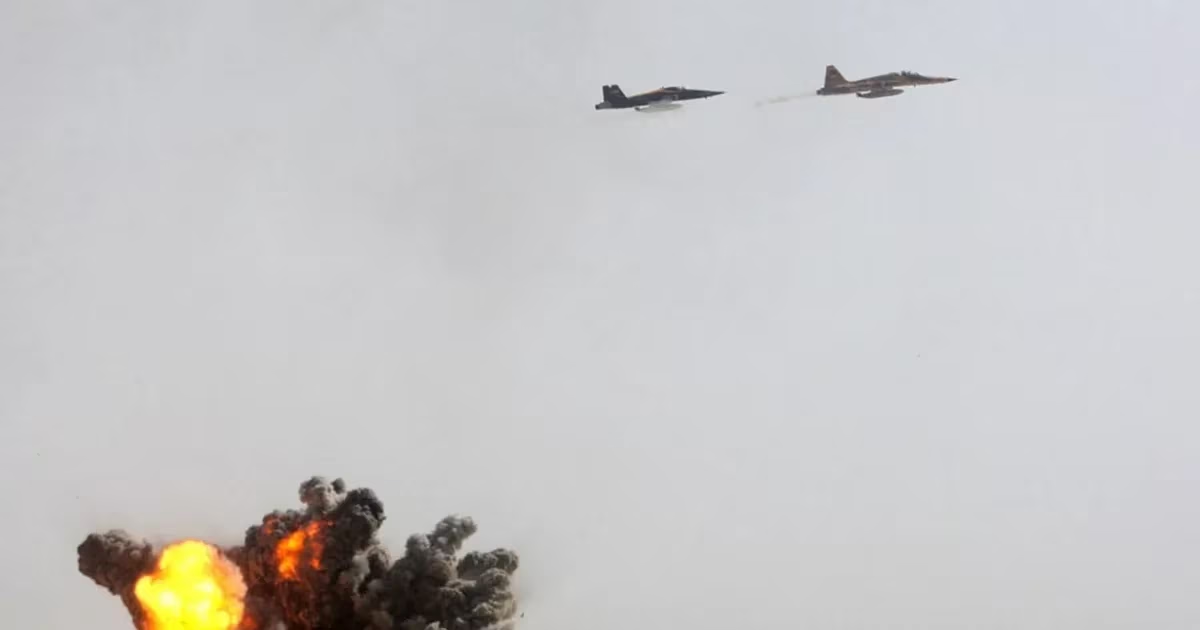
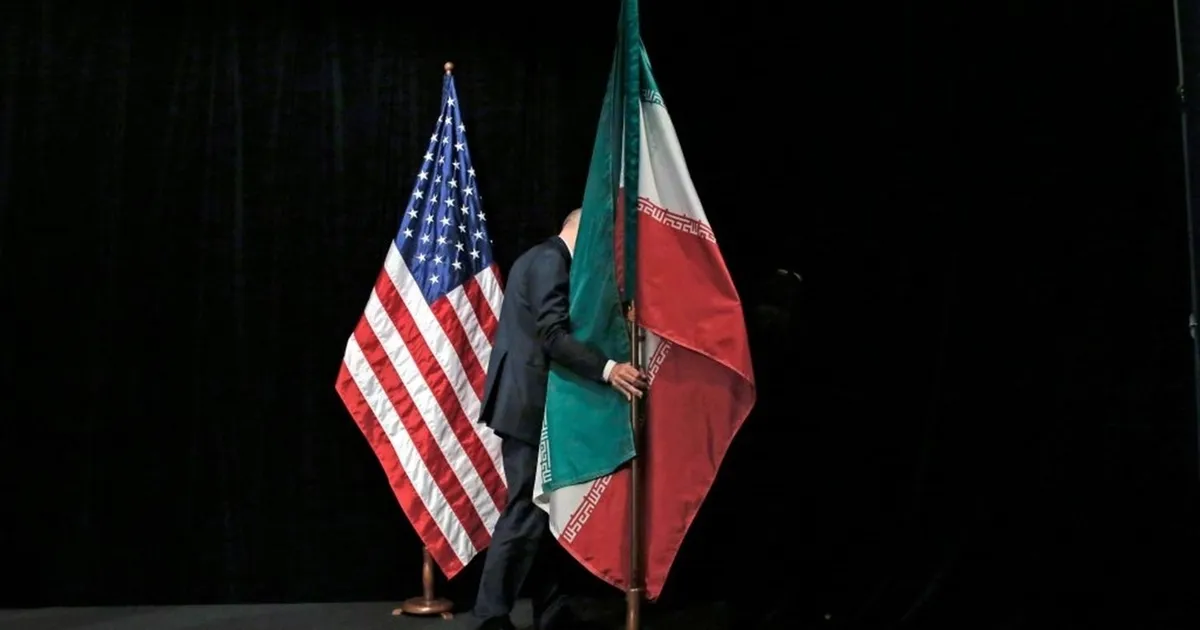
As the first quarter of 2026 drew to a close, the geopolitical landscape in the Middle East began to shift in ways few had anticipated. Questions about the fate of the Iranian regime transformed into doubts about the United States' ability to impose its will. The plan, which began with intense pressure aimed at delegitimizing the leadership in Tehran, ended by exposing deep flaws in Washington's 'regime change' strategy.
Field developments proved that wars do not always achieve their stated objectives; instead, they can become a mirror reflecting the weakness of the attacking party before the targeted party. In the Iranian case, external pressures seem to have given the regime an opportunity to appear more cohesive and cautious, with a superior ability to disrupt the calculations of regional and international adversaries through unconventional tactics.
Analysts believe that the recent confrontation did not succeed in breaking Tehran's political will, but rather highlighted its military capability to transfer the cost of the conflict beyond its geographical borders. This was clearly evident in the ongoing tensions in the Strait of Hormuz and the continuous pressure on international shipping, making the entire world a partner in paying the price of this tension.
Tehran adopted a clever strategy based on 'calculated disruption' of costs, using inexpensive drones to force adversaries to use costly interception systems. This financial disparity represents a strategic gain for Iran, whether the drone hits its target or is shot down, because the ultimate goal is to deplete the financial and military resources of the other party.
The battle is no longer about 'decisive victory' in its traditional sense, but has transformed into a war for the costly survival of the adversary, where gradual pressure is used to postpone any military resolution. These technically simple tools have managed to disrupt major political calculations, making the idea of a swift military resolution elusive in light of the depletion of valuable air defenses.
The Strait of Hormuz became a central metaphor in this confrontation, as Iran proved its ability to turn it into a permanent danger zone without needing to close it completely. This tactic shifted the war from the military field to global markets and shipping ports, leading to a crazy surge in insurance prices and shaking the nerves of an already exhausted global economy.
When major economic powers begin to pay the price of confrontation, the question of direct military superiority recedes in favor of a more pressing question about the ability to bear the political and psychological consequences. Here lies the paradox, as the project aimed at weakening Iran began to reveal the limits of American power and its fragility in the face of long-term wars of attrition.
Former White House energy advisors indicated that disruptions in international shipping lanes do not have easy and quick political or military solutions. Symbolic measures such as escorting ships or using strategic reserves do not address the core problem of losing confidence in the natural flow of global trade under the threat of arms.
It is noteworthy that the survival of the Iranian regime was not contingent on decisive salvation from major powers such as Russia or China, which provided support described as marginal or symbolic. This indicates that Iranian resilience stems from internal and structural factors, which places the assumptions of the regime change project under the microscope of criticism and deep review in Western circles.
Within the United States, consensus on foreign policies towards the region began to erode, with a noticeable decline in public support for Israel, especially among young people and independents. This internal division raised the political cost of the war, transforming it from a foreign policy issue into material for electoral and social conflict within American society itself.
On the diplomatic front, Muscat emerged as a center for efforts to contain a full-scale explosion, amidst a general feeling of failure of international diplomacy to prevent the confrontation. The continued calls for a ceasefire reflect growing legal and moral concerns, and confirm that the war is no longer seen as a 'clean victory' but as a catastrophic process.
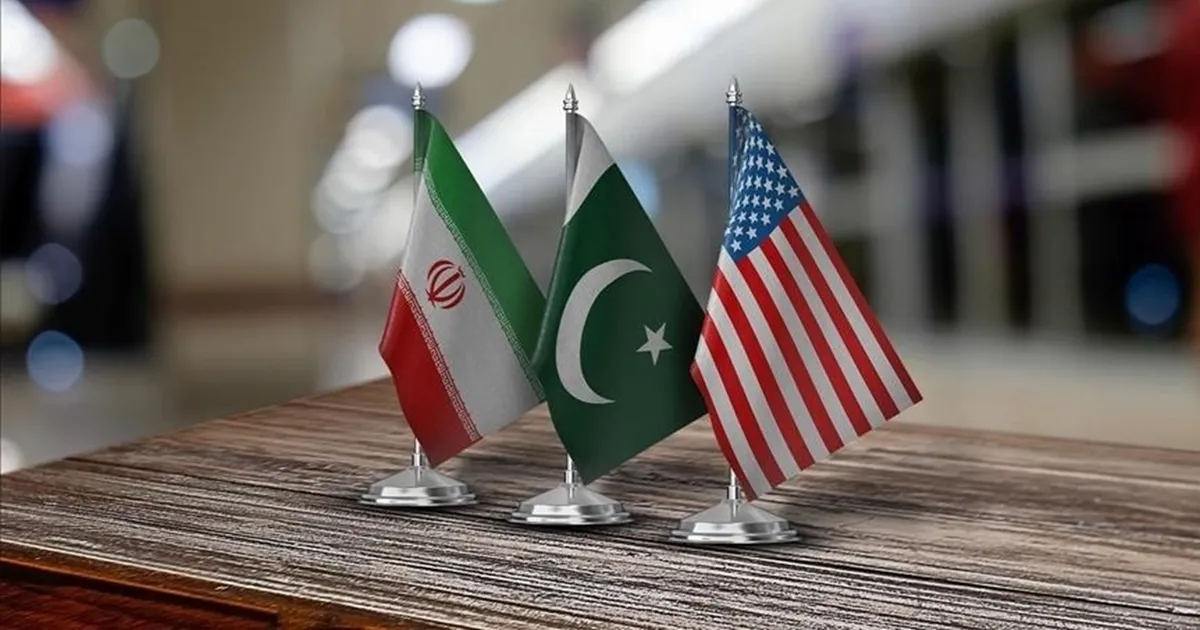
Pakistan played a pivotal and quiet role in this crisis, successfully maintaining a delicate balance between its relations with Gulf states and Washington on the one hand, and its open channels with Tehran on the other. This diplomatic approach proved that deterrence and dialogue are not contradictory paths, but can be employed to prevent the region from sliding into a comprehensive and destructive confrontation.
Internally, targeting the Iranian leadership seems to have had completely counterproductive results, as the targeted symbols transformed into emblems of national identity and resilience in the eyes of the Iranian street. Concepts of history and ideology intertwined to form a state of popular mobilization, making society appear more united behind its leadership in the face of what they consider external aggression targeting their existence.
In conclusion, the cruelest irony of this war remains that projects of regime change through external force may end up making those regimes more resilient and enduring. Events have proven that true power lies not only in the ability to bomb and destroy, but in the ability to endure, manage nerves, and maintain diplomatic channels even at the height of conflict.
Iran did not need overall superiority; it was enough for it to prove that it could make others pay the price of war.
Share your opinion
The Boomerang Plot: How Iran's Regime Change Project Became a Test of American Power?