







The Israeli occupation army continues to escalate its aggression on Lebanese territories, issuing open evacuation orders for residents of southern villages, while avoiding disclosure of a timeline or ultimate goals for the officially announced ground operation. These field movements raise international and local concerns about Israeli intentions to reoccupy parts of southern Lebanon, repeating previous scenarios that ended with withdrawal in 2000.
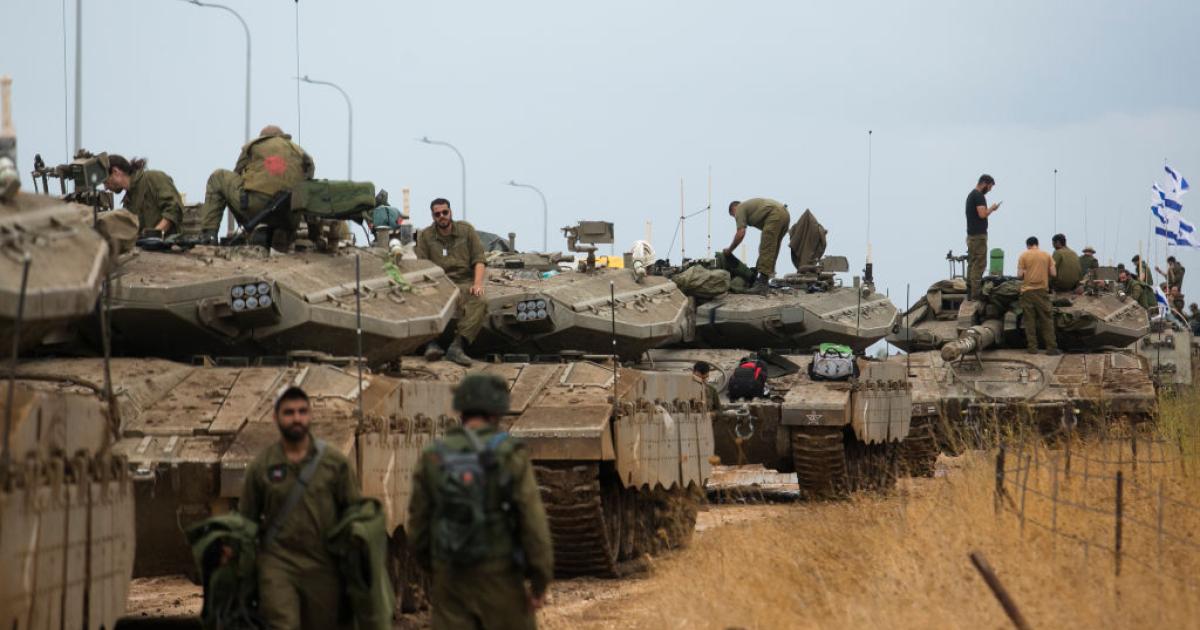
Israeli Defense Minister, Yoav Gallant, announced the launch of what he described as a new 'ground operation,' claiming it aims to remove threats and secure residents of settlements in the Galilee and the north. This announcement coincided with the deployment of massive military reinforcements, including infantry and armored brigades, towards the northern border, indicating the occupation's intention to expand the scope of confrontation.
In a significant field development, the occupation army confirmed the 36th Military Division's participation in combat operations, indicating the execution of a 'focused' ground activity targeting sites within Lebanese territory. Attacks are currently concentrated on strategic axes, as Israeli forces seek to establish a foothold in the rugged border areas.
Field sources reported that the town of Khiam was subjected to intense and concentrated Israeli artillery shelling, in an attempt to pave the way for advancing forces. The Khiam area is considered a vital stronghold in Lebanese defenses, making the conflict over it extremely fierce from both sides.
For its part, a leading source in Hezbollah stated that fighters are engaged in difficult battles in the Khiam axis, confirming that field movements are subject to assessments of changing combat conditions. The source warned that the occupation's insistence on carrying out a wide-ranging ground operation would open the door to a long-term attrition of its forces, which are now within range of the resistance's fire.
Military analysts in the Hebrew press believe that the immediate goal of the operations is to push Hezbollah forces beyond the Litani River to prevent targeting the Galilee. Analyst Avi Ashkenazi explained that forces have already entered areas such as the Ramim heights, but he noted that there is a state of ambiguity about whether Israel seeks to impose a permanent 'security zone.'
Media reports quoted official sources in Tel Aviv as saying that the battle in Lebanon is not time-limited, neither in its aerial component nor the ongoing ground maneuver. The sources indicated that the political level has given the green light to destroy the first line of homes in border villages, as a tool to pressure the Lebanese government.
In a related context, military analyst Amos Harel doubted the ground attack's ability to achieve the goal of completely eliminating Hezbollah's military capabilities. Harel pointed out that widespread deployment could lead to continuous and ineffective friction, especially since a large part of the missile attacks originate from areas north of the Litani River.
On the diplomatic front, France is leading intensive efforts to reach a settlement that ends the military escalation, amid leaks about proposals that include controversial political clauses. Hebrew media reported that the French proposal might include Lebanese recognition of Israel, which was met with a categorical denial from official circles in Beirut.
A high-ranking Lebanese source affirmed that talk of normalizing relations or recognizing the occupation is premature and not currently on the table. The source stressed that the Lebanese priority is focused exclusively on an immediate ceasefire and the initiation of field steps that guarantee the security of Lebanese sovereignty.
The Lebanese initiative proposed by President Joseph Aoun includes four main points, starting with the declaration of a humanitarian and military truce to pave the way for negotiations. This initiative aims to address outstanding security issues and ensure the implementation of relevant international resolutions, foremost among them Resolution 1701.
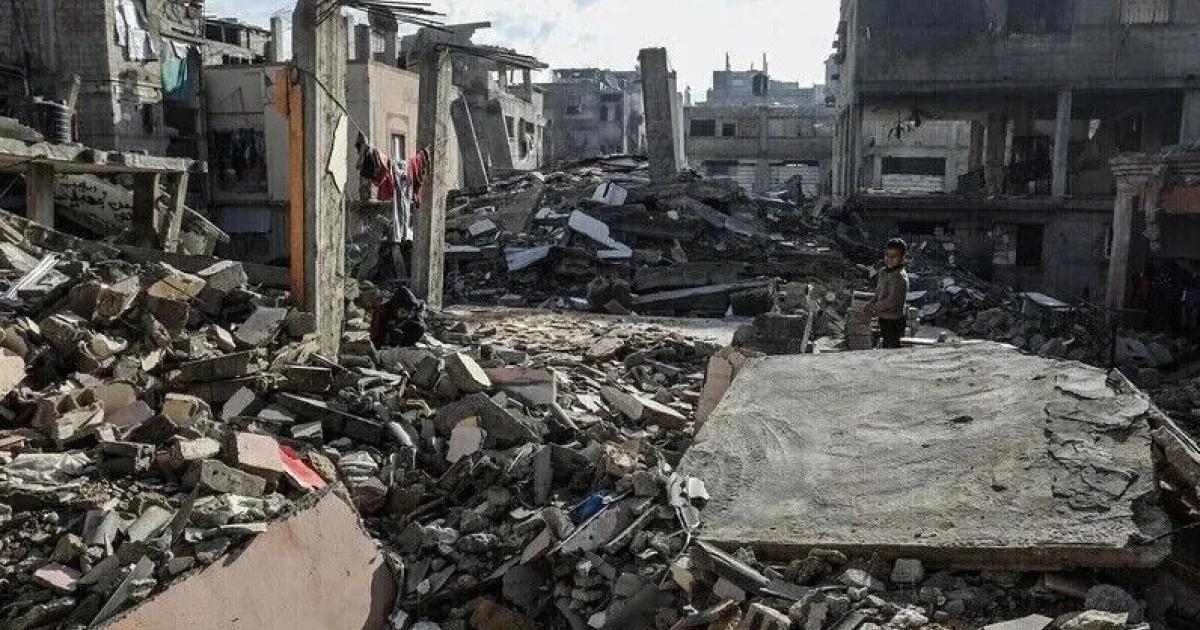
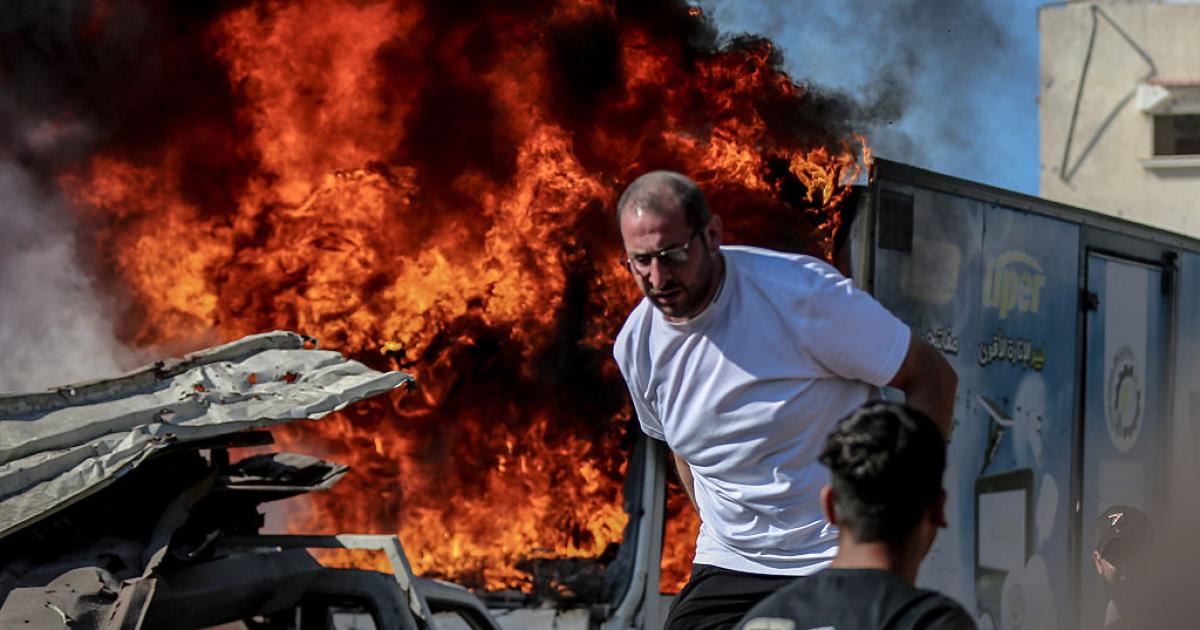
On the ground, the occupation continues its scorched-earth policy, with air raids and artillery shelling targeting wide residential areas in the Nabatieh and Sidon districts. These attacks have caused large waves of displacement of residents towards safer areas deep within Lebanese territory.
Statistics issued by the Lebanese Ministry of Health indicate that 912 martyrs have fallen since the start of the widespread aggression on March 2nd. Among the victims are a large number of children and women, reflecting the extent of the systematic targeting of civilians and Lebanese infrastructure.
The scene in southern Lebanon remains open to all possibilities, given the occupation's insistence on continuing its military operations and the resistance's affirmation of its steadfastness. With the continued military buildup on both sides of the border, international circles are awaiting the outcome of diplomatic moves in the coming days.
The battle in Khiam is difficult, and movement is carried out according to field conditions, and the occupation's readiness for a wide operation will open the door to its attrition.

Share your opinion
Ambiguity Surrounds Israeli Objectives as Ground Offensive Expands in Southern Lebanon