






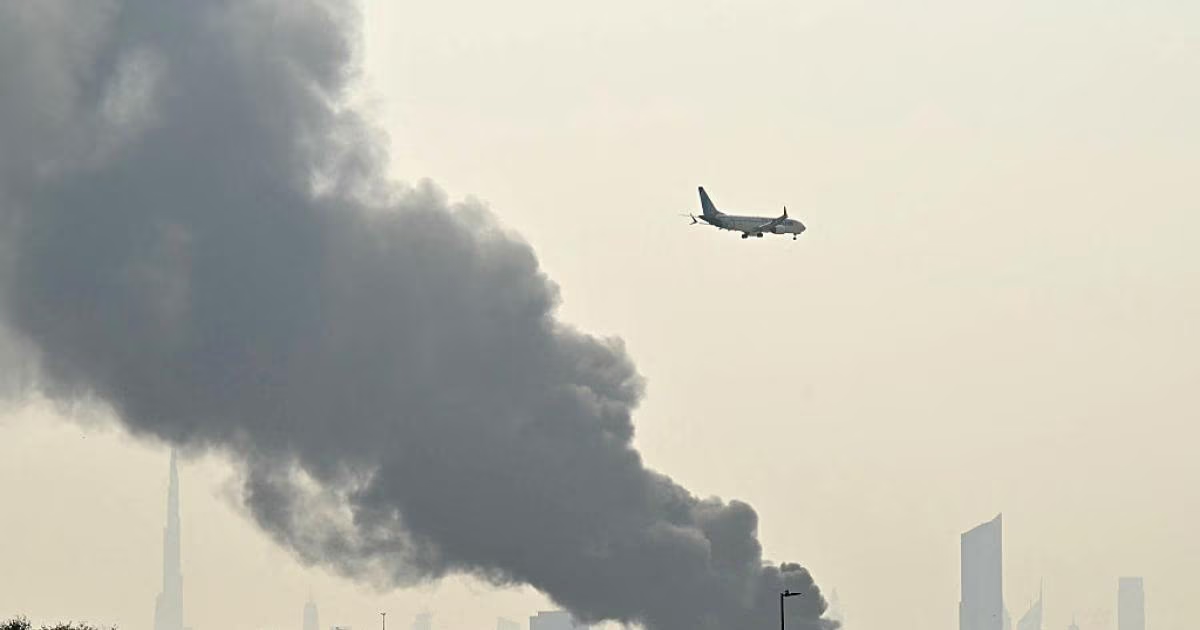
The Arabian Gulf region experienced a night of escalating security tensions, following a series of missile and drone attacks targeting several countries in the region. Official sources reported that air defense systems were activated to confront these threats, which targeted vital facilities and various residential and military areas.
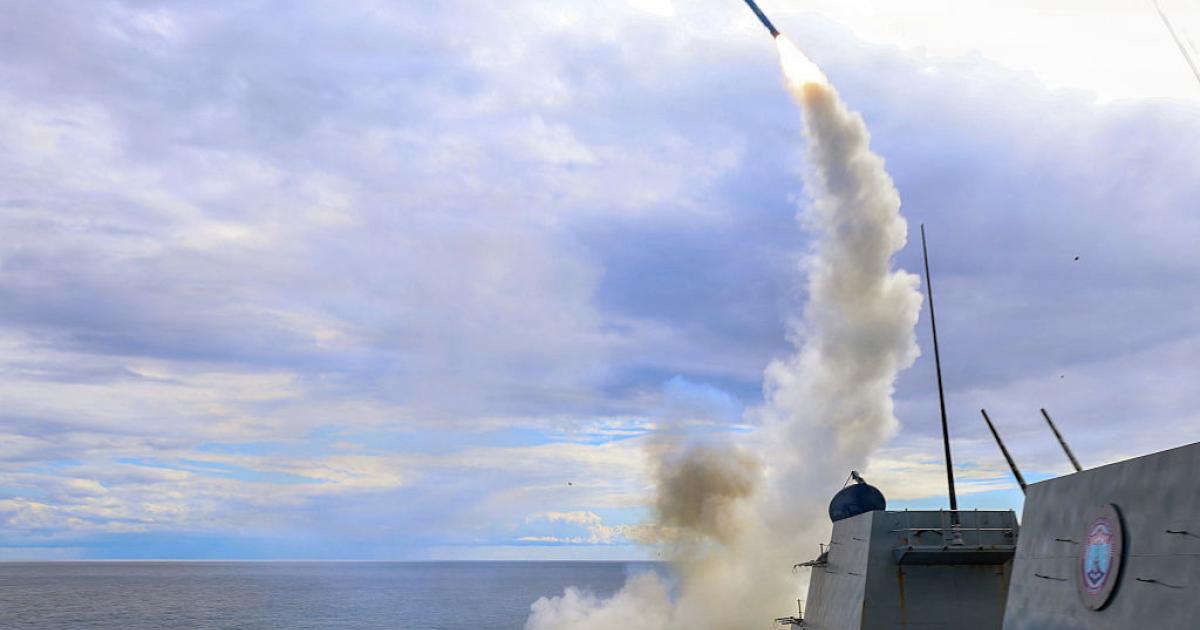
In Doha, the Qatari Ministry of Defense revealed that the country was subjected to an attack by 14 ballistic missiles in addition to a number of suicide drones. The ministry confirmed that air defenses successfully intercepted 13 missiles and destroyed all drones, while one missile fell in an uninhabited area without causing any casualties.
As for the United Arab Emirates, local authorities in Abu Dhabi announced a fire at the strategic 'Shah' oil field. The fire resulted from a direct hit by a drone, with firefighting and risk control teams continuing to deal with the flames to ensure they do not spread within the vital facility.
The Shah field is considered one of the main pillars of the Emirati energy sector, located 230 kilometers south of the capital Abu Dhabi. The production capacity of this field is about 70,000 barrels of crude oil per day, making its targeting a qualitative development in the ongoing military escalation in the region.
In the Kingdom of Saudi Arabia, the Ministry of Defense announced a massive number of aerial interceptions, with 92 drones destroyed since early Monday morning. These defensive operations were distributed over wide geographical areas including the capital Riyadh, the Eastern Province, and Al-Kharj Governorate in the center of the Kingdom.
Saudi sources explained that air defenses initially shot down three drones, followed by the interception of 76 other aircraft that were intensively targeting the Eastern Province. The ministry concluded its statements by indicating the destruction of an additional 13 drones in the skies of Al-Kharj, confirming that no human casualties were recorded as a result of these attack attempts.
On the Kuwaiti side, the Government Communication Center monitored hostile aerial movements including four drones and two unmanned aerial vehicles that penetrated the airspace since dawn today. The center stated that military forces managed to destroy one drone, while the remaining flying objects fell in uninhabited areas north of the country and outside the direct threat zone.
The Kuwaiti statement indicated that the defensive operations resulted in debris falling in scattered locations, with the center receiving five new reports in this regard. This brings the total number of registered reports of falling debris and shrapnel since the start of the recent escalation in late February to about 397 official reports.
In a related context, military sources linked to the Revolutionary Guard announced the execution of strikes targeting four US military bases in the region. This announcement coincides with the wave of attacks that hit Gulf capitals, indicating an expansion of the direct confrontation and the multiplicity of fronts involved in the conflict.
These dangerous developments come at a time when the region is experiencing a state of high alert, amidst international calls for restraint and avoiding a slide into a comprehensive war. Military operations rooms in Gulf countries continue to monitor the airspace to repel any potential attacks that may target energy infrastructure or vital centers in the coming hours.
The Qatari Ministry of Defense announced that the armed forces intercepted 13 out of 14 ballistic missiles launched towards the country.

Share your opinion
Military escalation in the Gulf: Fires in oil facilities and interception of dozens of missiles and drones