






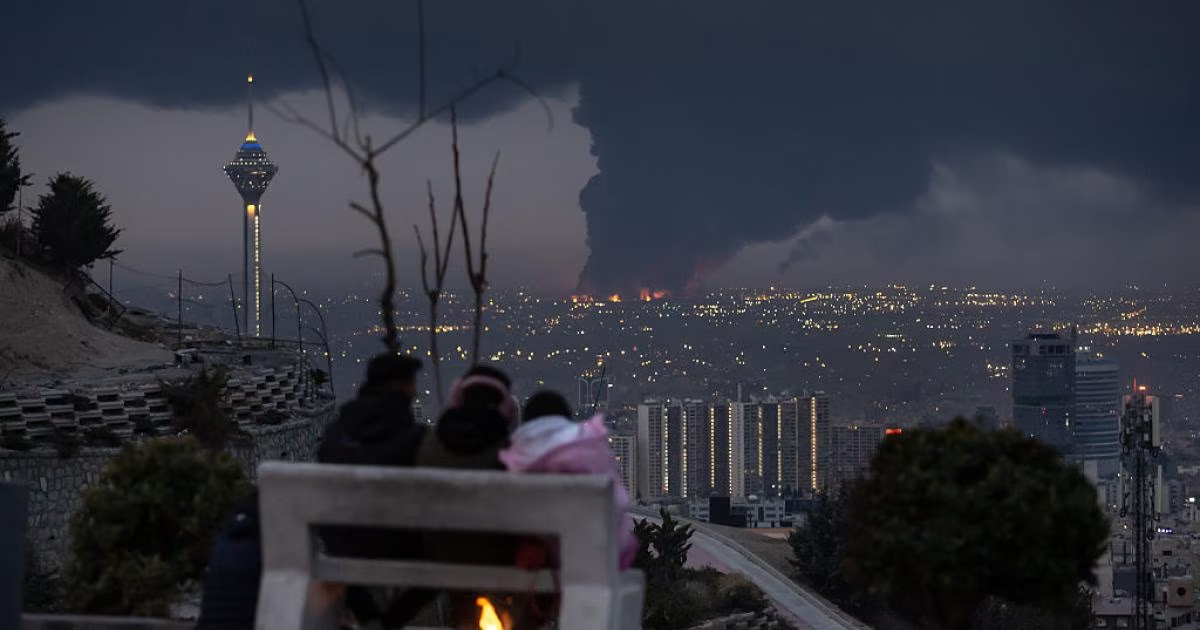
US Energy Secretary Chris Wright announced optimistic predictions regarding the timeline for ongoing military operations, indicating that the US-Israeli aggression against Iran might conclude within the next few weeks. Wright affirmed in media statements that this conflict is approaching its inevitable end, suggesting it might happen sooner than many anticipate.
Regarding the economic repercussions, the US Secretary stressed that the cessation of hostilities would have a direct and positive impact on the global energy market. He explained that markets would witness a significant recovery in oil supplies, which would necessarily lead to a decrease in prices that had seen record increases due to recent geopolitical tensions.
In contrast, these statements were met with skepticism by political circles in Washington. Former Congressman Jim Moran described the Secretary's view as overly optimistic. Moran believed that the facts on the ground indicate that the conflict might extend for an additional two or three months, emphasizing that complex crises are not resolved with a magic touch.
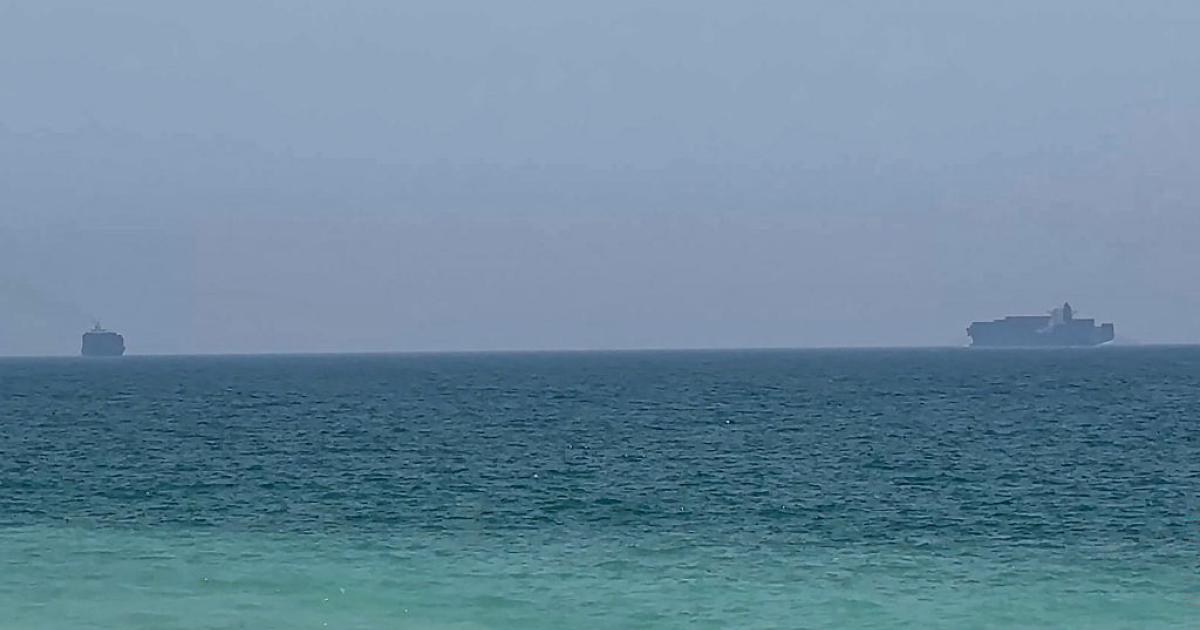
Moran warned of a real 'logistical nightmare' in the Strait of Hormuz, which is the most important artery for global energy trade, where 46 oil tankers remain stranded and unable to move. He pointed out that fears of naval mines make the task of securing commercial vessels currently almost impossible, exacerbating the crisis.
The former parliamentarian touched upon the disparity in impact from the crisis, stating that the United States and Europe face a real threat of a severe blow to their energy security. While Western capitals suffer, Russia and China appear to be in a more stable and relatively secure position from the repercussions of this conflict, which has disrupted international energy calculations.
On the domestic American front, Moran noted that the Trump administration has put itself in a political predicament that is difficult to escape, especially with the upcoming midterm elections in November. He explained that the available options for dealing with the conflict are very limited, contrary to what the administration promotes in its official speeches to the public.
He also pointed to a state of public discontent, where a large segment of Americans are unaware of the real reasons for engaging in direct war with Iran and reject its continued funding from tax money. These pressures coincide with internal livelihood crises that make the continuation of the war an unbearable burden for the average American citizen.
Observers warned that the continuation of the conflict would lead to new jumps in gas prices at American fuel stations, where the price per gallon has already exceeded four dollars. Experts believe that the energy crisis will not end merely with the cessation of hostilities, but its effects may extend to drag the global economy into a comprehensive recession due to total reliance on fuel for production.
Analyses concluded that the exorbitant economic cost of the war could represent the beginning of the end for the 'MAGA' policies associated with the Trump administration, given its direct impact on food, transportation, and heating costs for every family. With government staffing reductions, the administration appears to be facing a full-blown storm that could leave widespread structural damage in American society.
The conflict with Iran will certainly end in the next few weeks, and perhaps sooner, and we will then see a recovery in supplies.


Share your opinion
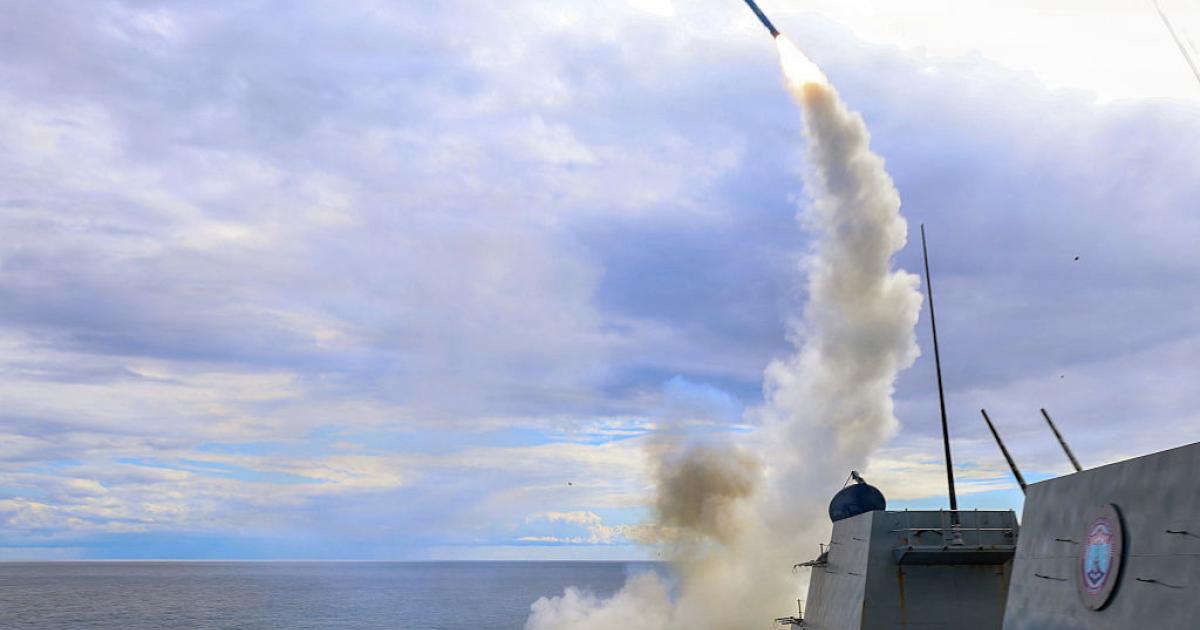
American optimism about the imminent end of the war with Iran and warnings of a 'logistical nightmare' in the Strait of Hormuz