






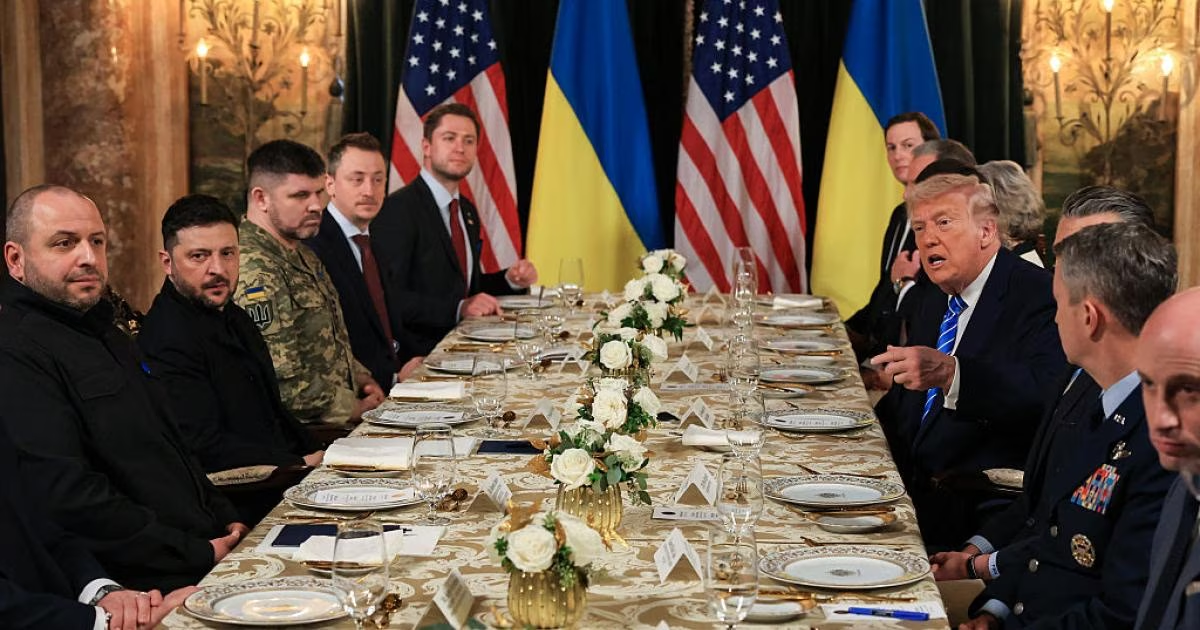
This year's Munich Security Conference is being held amidst an atmosphere charged with geopolitical tensions, with broad participation including over 65 heads of state and government. The conference's annual report warns of the European continent entering an era of long-term confrontation, due to the escalation of the Russian war and hybrid activities that threaten the stability of the international order established after the Cold War.
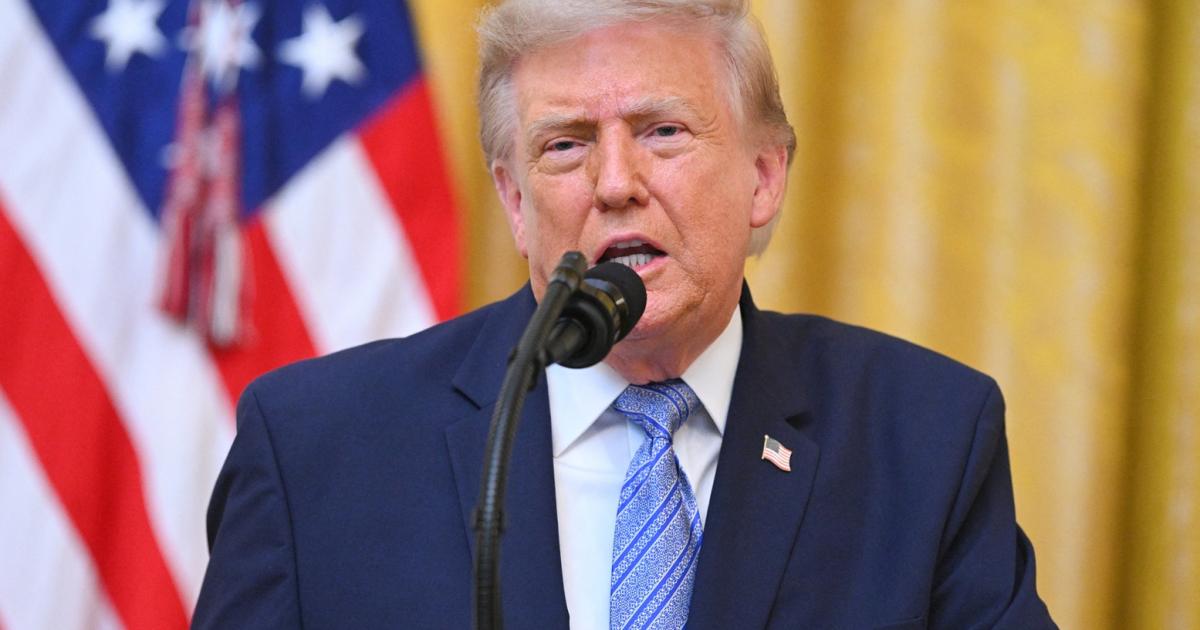
Reports from the conference indicate a significant decline in the confidence of European capitals in Washington as a strategic ally and security guarantor, especially under the policies of President Donald Trump. The United States faces accusations of weakening the international system and reducing its leadership role, which puts the continent before crucial questions about its ability to protect its national security independently.
Meanwhile, the United States called on its allies in the North Atlantic Treaty Organization (NATO) to adopt the concept of partnership instead of dependence during defense ministers' meetings in Brussels. This approach coincided with the alliance's announcement of transferring key command centers to European officers, a move reflecting Washington's desire to redistribute military burdens within the alliance.
Informed sources revealed that the Trump administration is considering a historic decision to relinquish the role of NATO's Supreme Commander in Europe, a position Washington has held since 1951. This radical shift reinforces the hypothesis that the United States seeks to reduce its direct involvement in the defense of the continent, and push Europeans to fully bear their defense responsibilities.
NATO Secretary-General, Mark Rutte, stressed the necessity for allies to increase defense spending to confront growing threats, especially amidst the tension surrounding the Greenland issue. European concerns are increasing regarding escalating Russian military activity and its direct impacts on energy security and the continent's northern borders, necessitating a stricter military response.
For his part, Dr. Ulrich Brückner, Professor of European Studies, believes that the bleak picture painted by the Munich report may be part of a media strategy to attract international attention. He explained in statements to media sources that European concern about the relationship with Washington is real, as transatlantic ties are no longer as strong as they were since the end of World War II.
Brückner pointed out that Europeans are currently trying to formulate a new positioning for the European Union aimed at achieving 'strategic autonomy'. This approach includes fundamental changes in defense spending structures and the development of self-sufficient military capabilities that reduce total reliance on the American security umbrella, which has gradually begun to shrink.
In contrast, Norman Roule, a former US intelligence official, rules out that Trump's goal is to demolish the existing world order, but rather seeks to rearrange it. Roule believes that the US national security strategy still considers Europe a key factor for the prosperity of the United States, but it stipulates a relationship based on parity in cost-sharing.
The current US administration insists that European countries raise their military spending to 5% of their GDP, a demand that sparks wide debate in European capitals. Washington considers this measure necessary to ensure the continuity of the alliance, with an emphasis on integrating trade issues into the equation of shared national security between the two parties.
Academically, Dr. Omar Ashour points out that European concerns are entirely justified given the failure to deter aggression against Ukraine in previous stages. He explained that international commitments, such as the Budapest Memorandum, failed to protect Ukraine's territorial integrity, revealing a significant gap between political ambitions and actual military capabilities.
The European military reality suffers from a paradox: the expansion of the European Union's political influence versus the shrinking of its military field strength over the past decades. Long-term reliance on the United States has weakened the combat readiness of European countries, which became evident during the outbreak of major military confrontations in the eastern part of the continent.
The lingering question in the corridors of the Munich conference is the extent to which the international community can work effectively amidst the decline of international rules in favor of the logic of power. With continued disagreements over thorny issues such as Greenland and NATO burden-sharing, the path towards a 'true partnership' between the two sides of the Atlantic still seems fraught with political and economic challenges.
The American administration will not accept that European countries do not spend 5% of their GDP on defense.


Share your opinion
Europe and the United States.. Fears of a Partnership Fracture and a Quest for Strategic Autonomy