






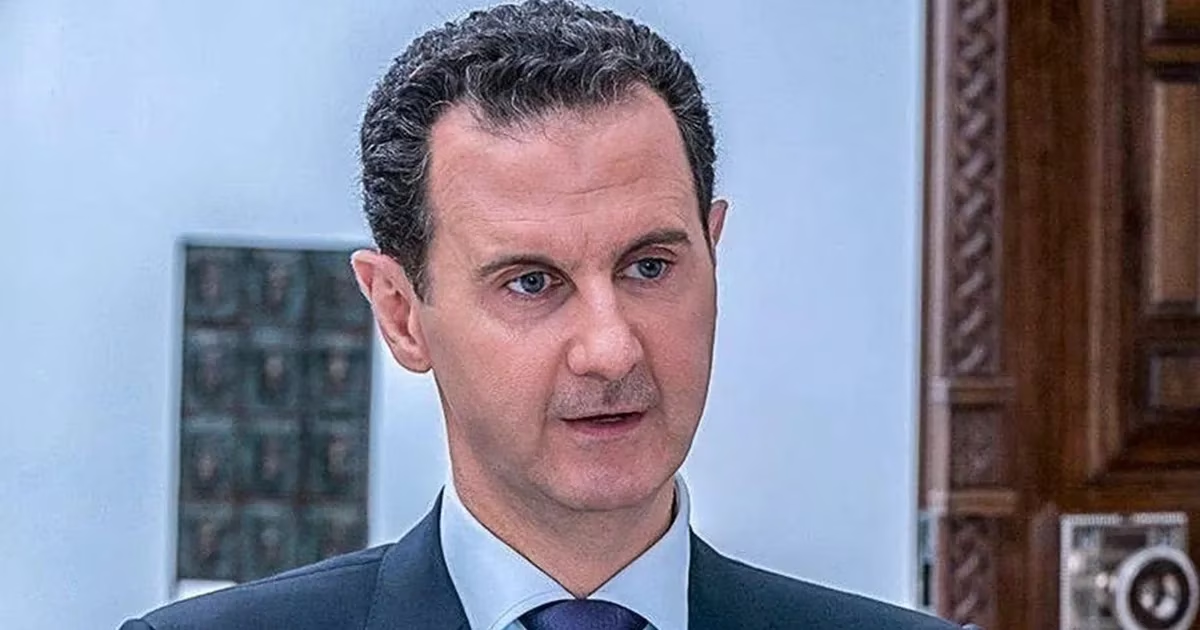
International press reports have revealed exciting details about the final hours leading up to the fall of Bashar al-Assad's regime on December 7, 2024. Sources indicated that Assad secretly left the capital Damascus for Russia, leaving behind security agencies and aides in complete shock, after having led them to believe victory was imminent until the last moment.
A comprehensive investigation published by "The Atlantic" magazine reported that Assad used deception with his closest associates, leaving a recorded official statement announcing his exercise of constitutional duties from the Presidential Palace, while in reality he was packing his bags to flee. This move sparked immense anger among his supporters who discovered they had been betrayed after years of defending the regime.
The investigation, prepared by journalist Robert F. Worth, painted a picture of a ruler completely detached from the field and political realities of his country. Sources from within the palace's inner circle stated that Assad spent long hours playing video games on his mobile phone, specifically "Candy Crush," ignoring military reports that indicated the collapse of defense lines.
The investigation touched upon controversial personal aspects, noting that Assad lived in social and political isolation, reinforced by a network of relationships within the palace. Media advisor Luna Al-Shibl played a pivotal role in this circle, described as managing aspects of his private life and arranging his contacts with women from within the corridors of power.
On the political front, documents revealed that regional countries and traditional adversaries did not wish for the regime's sudden collapse and offered Assad deals that would ensure his survival in exchange for limited concessions. However, Assad's stubbornness and absolute rejection of the principle of power-sharing led to the closure of all political escape routes offered to him.
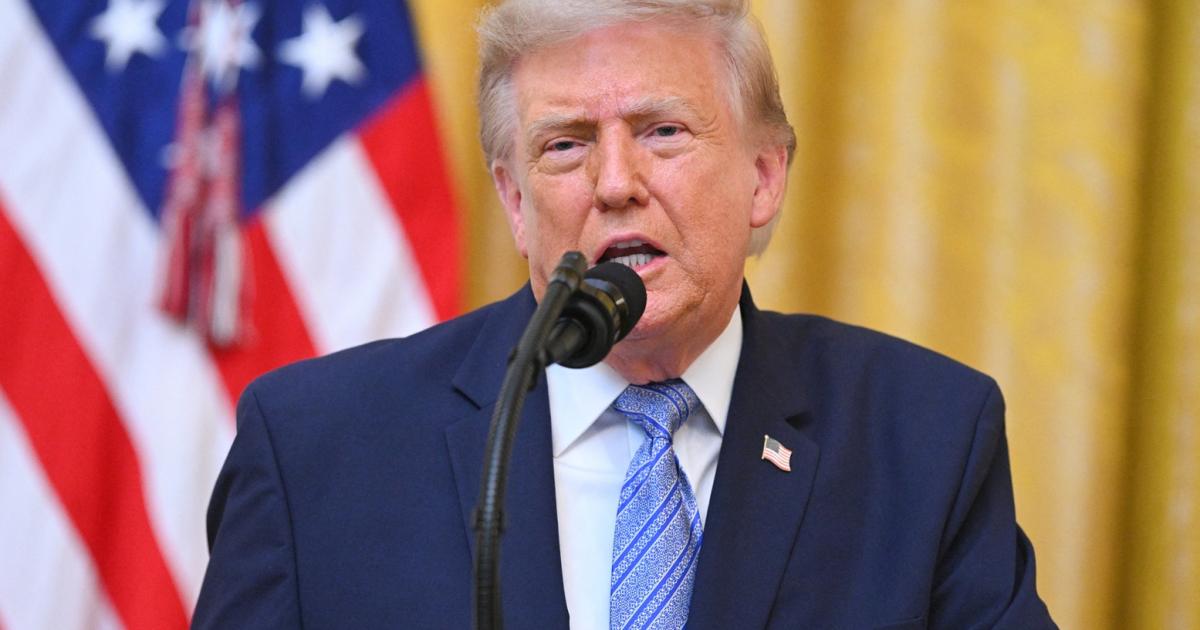
Regarding relations with the United States, the investigation indicated that the Donald Trump administration in 2020 offered to ease economic sanctions in exchange for information about the missing journalist Austin Tice. But Assad personally rejected the offer, influenced by Trump's previous description of him as an "animal," a stance that was repeated with the Biden administration in 2023.
Internally, the Presidential Palace was in a state of absurdity, with leaked recordings showing Assad mocking his allies and his soldiers fighting on the front lines. At the same time, senior regime leaders were busy accumulating vast wealth through managing Captagon drug trafficking networks that flooded the region.
The investigation clarified that 2017 represented a false victory for the regime after regaining control of large areas with Russian and Iranian support. However, that moment was the beginning of the real collapse, as the state turned into an "empty shell" suffering from comprehensive economic destruction and suffocating international sanctions, with increasing pressure from allies to collect the costs of their support.
Intelligence sources revealed that Israel in 2019 considered supporting an internal coup to overthrow Assad, but backed down from the idea due to fears of the chaos that might follow the regime's fall. The regime continued to falter until the turning point in November 2024 with the change in regional attitudes and the beginning of the opposition's military advance.
With the fall of Aleppo and the withdrawal of supporting militias, regular forces began to collapse rapidly and flee from military positions. Assad, instead of confronting the situation, chose complete silence and turned off his phones, beginning an escape journey that included no farewell speech to the Syrian people or to his supporters whom he left to their fate.
The investigation recounts a dramatic scene at the moment Assad boarded the Russian plane, where his driver asked him in astonishment if he was really going to leave them, to which Assad coldly replied, asking why they didn't fight. This situation summarized the end of a quarter-century rule, characterized by arrogance and detachment from the suffering of the Syrian street, which was plunged into poverty and hunger.
The resounding fall of the regime was not only a result of international power balances but also a product of a distorted decision-making mechanism within the Presidential Palace. Assad relied on young, inexperienced advisors, which contributed to deepening his isolation and making him unable to grasp the magnitude of the risks surrounding the seat of power.
Today, observers and even former close associates of the regime agree that Assad has completely lost his legitimacy, even in the eyes of his family. The shift from loyalty to intense hatred was swift and shocking, reflecting the size of the gap between official propaganda and the lived reality within the corridors of power in Damascus.
In conclusion, "The Atlantic" investigation shows that the end of Assad's regime was inevitable due to structural incapacitation in state management and reliance on security solutions and drugs as a source of income. The silent escape on the night of December 7 was the final chapter in the story of a ruler who preferred video games and palace affairs over saving his country from collapse.
It is striking that almost no one today, neither inside nor outside Syria, still believes in Bashar al-Assad, even within his own family.


Share your opinion
Investigation reveals the scenes behind Assad's fall: detachment from reality, obsession with games, and secret palace affairs