






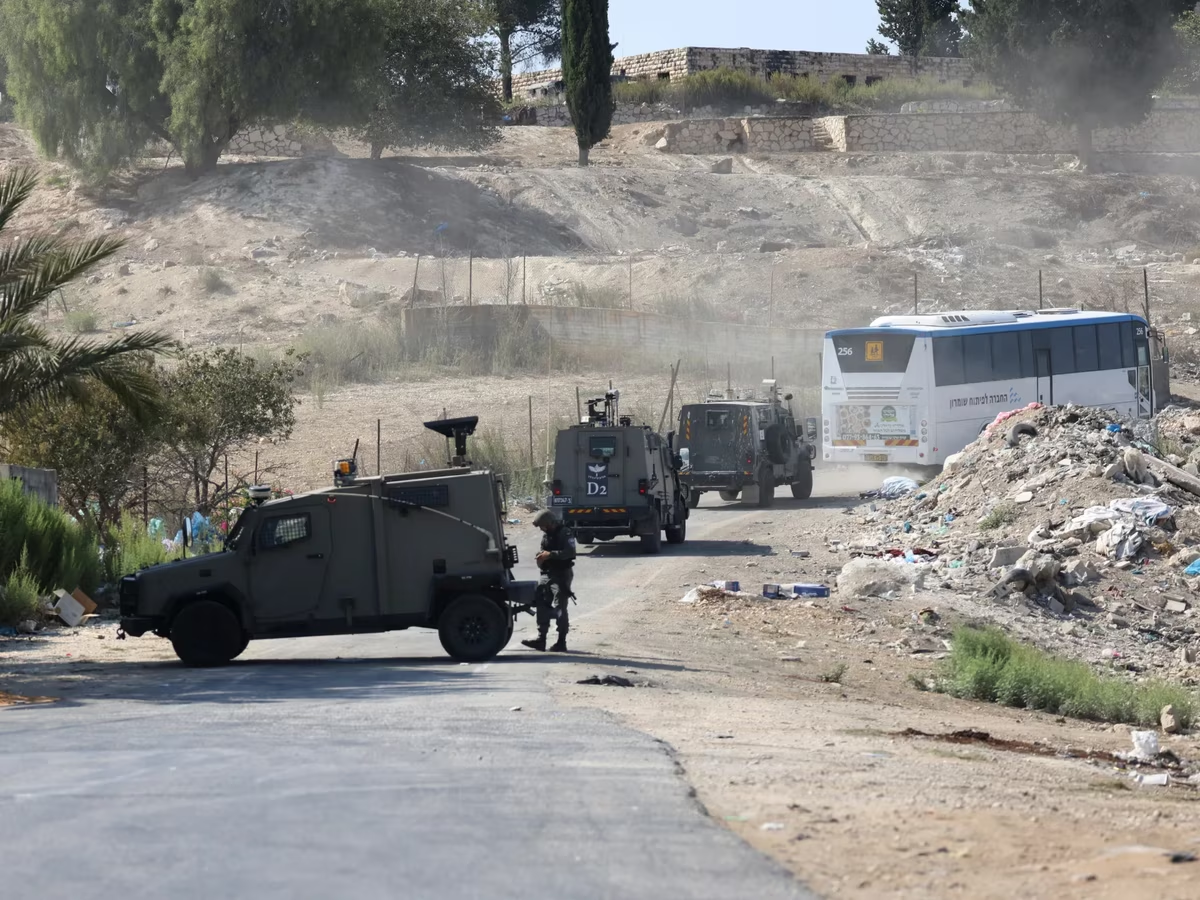
Israeli Defense Minister Yoav Gallant announced the start of construction of 1,200 new settlement units in the Beit El settlement, located north of Ramallah city, in a step described as a direct extension of accelerated expansion plans.
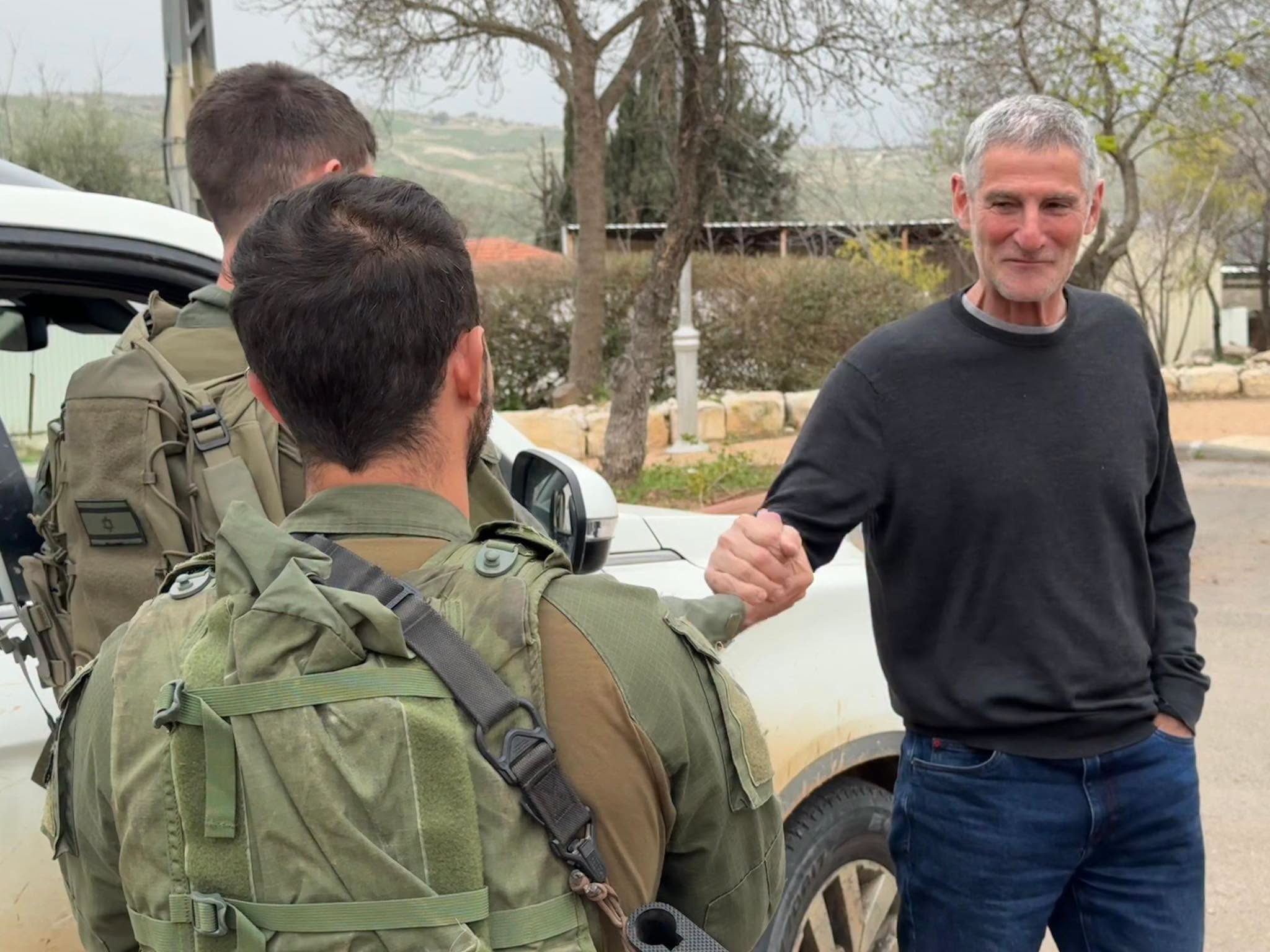
Gallant's announcement came during a field visit to the Beit El settlement to participate in the project inauguration ceremony, where he confirmed that settlement construction continues at an escalating pace.
He also pointed to work on establishing additional settlement outposts as part of what is known as the "Nahal" project, within broader plans to rebuild settlements and Israeli army camps in the north of the occupied West Bank.
Israeli media reported that the project includes paving a new bypass road that serves these plans, especially in the vicinity of the town of Silat al-Dhahr north of Nablus.
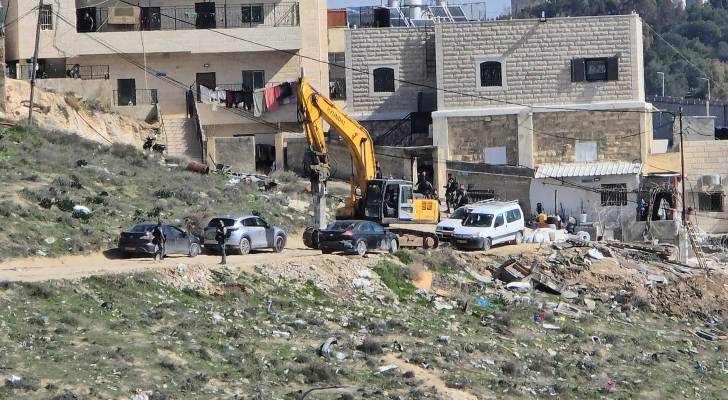
In the south of the West Bank, Israeli occupation forces deployed military bulldozers accompanied by a military convoy to the Sanur settlement south of Jenin, and began leveling operations in preparation for rebuilding it.
Sanur is one of the settlements that were evacuated in 2005 as part of the disengagement plan, but recent moves indicate a clear intention to revive it.
A correspondent reported that 4 military bulldozers stormed the site, within a broader plan to legitimize and build 19 new settlement outposts in the West Bank, including 4 settlements in Jenin governorate.
Parallel to the settlement expansion, the Palestinian Water Authority and international institutions have monitored a dangerous escalation in Israeli violations of the Palestinian water sector since October 7, 2023. These violations include sabotaging water networks, controlling natural springs, and diverting water sources in favor of settlements and settlement outposts, which has widened the water consumption gap between Palestinians and Israelis.
Field reports showed entire Palestinian villages being deprived of water, a matter that led to deterioration in living conditions and forced some population groups to forced displacement.
In the Al-Auja area east of the occupied West Bank, Palestinians were deprived of access to the Al-Auja spring, one of the oldest and largest water basins in Palestine, due to a settlement outpost established nearby. This led to depriving residents and their livestock of water and pasture, forcing them to live within fenced areas for fear of settler attacks.
Field scenes also showed the drying up of spring paths, despite heavy rains in recent weeks, as a result of settlers pumping water from their main sources. Instead of obtaining water from their natural sources, Palestinians are forced to buy it from the Israeli company "Mekorot", which has installed pumps at most wells.
In the center of the West Bank, field reports documented the encirclement of Ein Samia, one of the largest groundwater basins that used to feed 19 Palestinian villages and on which more than 100,000 people depend, where the area has become besieged by settlement outposts, with recorded operations of water pumping and sabotage of Palestinian equipment and pipes.
These developments coincided with a tour by Israeli Finance Minister Bezalel Smotrich in the area, where he praised the role of settlers, considering that they "regained control of the water wells", in statements that provoked widespread criticism from Palestinian and human rights parties.
Official Palestinian data indicates that Palestinians are prevented from exploiting more than 85% of their water resources, despite their lands extending to the Mediterranean Sea, the Dead Sea, the Jordan River, and containing hundreds of groundwater and surface wells.
After the genocide war on the Gaza Strip, more than 200 new settlement outposts were established, most of them pastoral, around water wells, leading to the Israelis and settlers exceeding their water share by 8 times the Palestinians' share.
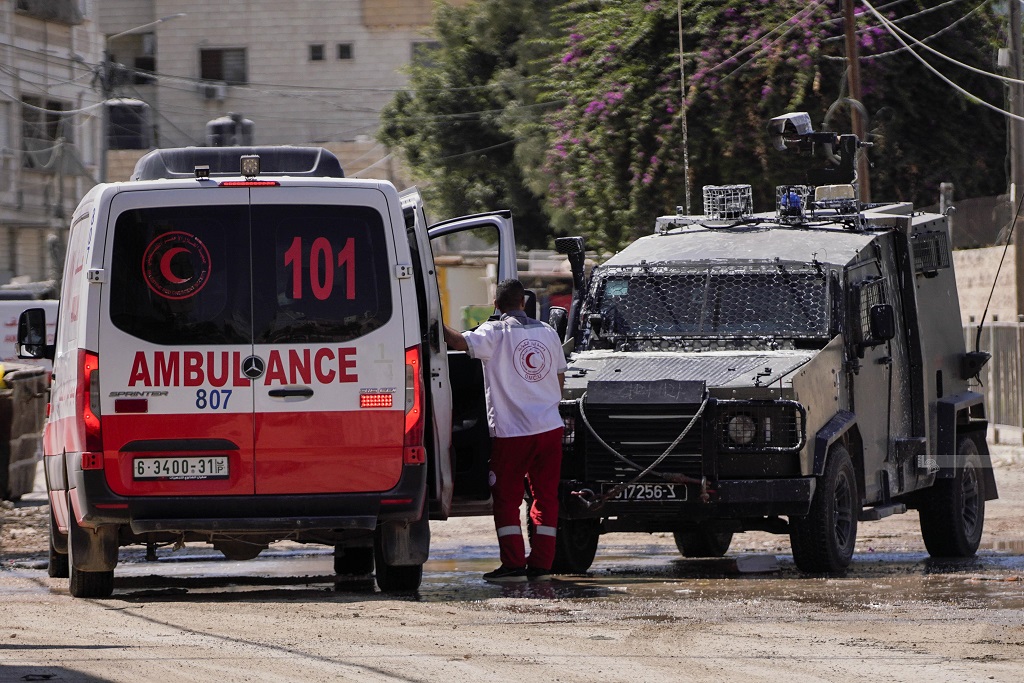
On the ground, a correspondent reported a large Israeli military gathering near the Qalandia checkpoint north of occupied Jerusalem, where occupation forces fired sound and gas bombs, raided commercial stores in the vicinity of Qalandia camp and the town of Kafr Aqab, coinciding with extensive raids on neighborhoods in the city of Birzeit and areas north of Jerusalem.
These developments collectively reflect a multi-dimensional escalation in the West Bank, combining settlement expansion, military incursions, and control over natural resources, at a time when Palestinian and international parties warn of dangerous repercussions on the future of stability and Palestinian existence in the region.
The developments collectively reflect a multi-dimensional escalation in the West Bank, combining settlement expansion, military incursions, and control over natural resources.

Share your opinion
Israel Announces Construction of 1,200 New Settlement Units and Levels Land to Rebuild Sanur Settlement