







In a lengthy research article published by the New York Times on Friday, July 11, 2025, the newspaper notes that six months after the start of the war on the Gaza Strip, Israeli Prime Minister Benjamin Netanyahu was preparing to call it off. Negotiations were underway for an extended ceasefire with Hamas, and he was ready to agree to a settlement. He sent an emissary to convey Israel's new position to Egyptian mediators. In a meeting at the Defense Ministry in Tel Aviv, he had to convince his cabinet to agree. He kept the plan off the written agenda of the meeting, as the idea was to reveal it suddenly and prevent ministers who opposed a ceasefire from coordinating their response.
The newspaper says: “This was in April 2024, long before Netanyahu returned to the political arena. The proposal would have halted the Gaza war for at least six weeks. It would have opened the way for negotiations with Hamas on a permanent truce. More than 30 hostages taken by Hamas at the start of the war could have been released within weeks. More could have been released if the truce had been extended. The devastation of Gaza, where some two million people were trying to survive daily attacks, could have been halted. Ending the war would have increased the chances of reaching a historic peace agreement with Saudi Arabia, the most powerful country in the Arab world. For months, the Saudi leadership had secretly expressed its willingness to accelerate peace talks with Israel, provided the war in Gaza stopped.”
But for Netanyahu, the truce carried a personal risk. As prime minister, he led a fragile coalition dependent on the support of far-right ministers who wanted to occupy Gaza, not withdraw from it. They sought a long war that would eventually enable Israel to rebuild Jewish settlements in Gaza. If a ceasefire came too soon, these ministers could decide to collapse the ruling coalition, leading to early elections that polls showed Netanyahu would lose. Out of office, Netanyahu was in a vulnerable position. Since 2020, he had been on trial for corruption; the charges, which he denied, largely related to granting favors to businessmen in exchange for gifts and positive media coverage. By losing power, Netanyahu would lose the ability to dismiss the attorney general who oversaw his trial—something his government would later attempt to do.
"While the cabinet was discussing other matters, one of his aides rushed into the meeting room carrying a document summarizing Israel's new negotiating position and quietly placed it in front of Netanyahu. He read it over one last time, underlining various points with his pen. The road to a truce was fraught with real dangers, but he seemed ready to move forward," the report said.
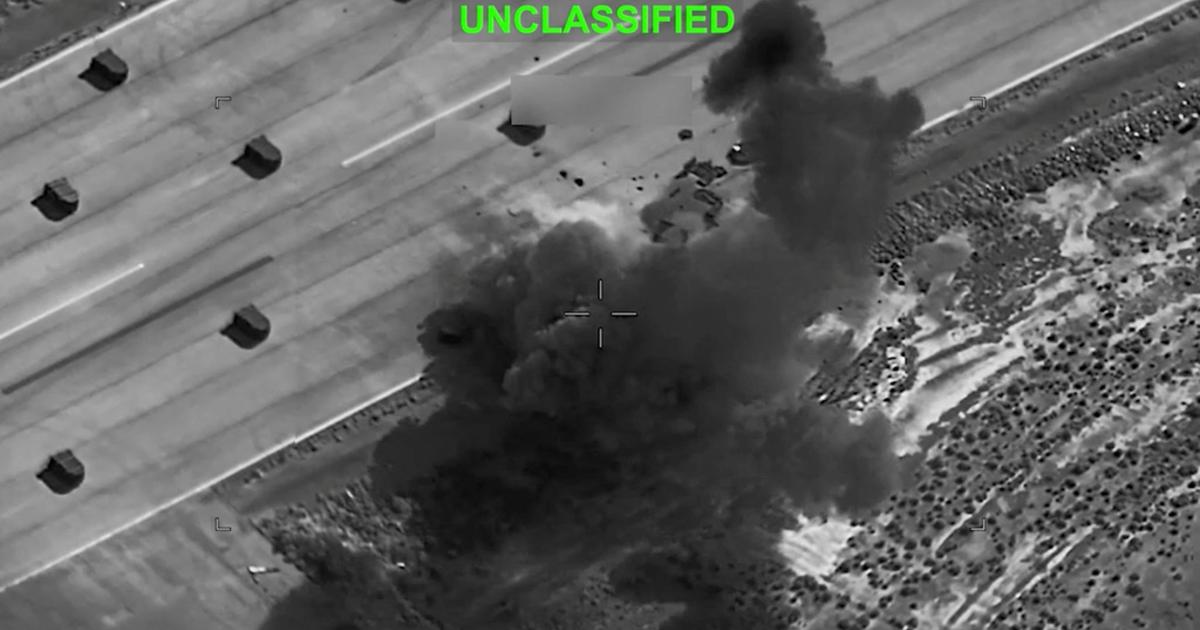
The newspaper reports: “Then his (Benjamin Netanyahu’s) finance minister, Bezalel Smotrich, interrupted the session. Smotrich, a young activist in 2005, had been detained for weeks—though never charged—on suspicion of planning to bomb vehicles on a major highway to slow the dismantling of Israeli settlements in Gaza. Along with Itamar Ben-Gvir, the far-right national security minister, Smotrich is now one of the strongest proponents in the cabinet of rebuilding those settlements. He had recently called on most of Gaza’s Palestinian residents to leave. At the cabinet meeting, Smotrich announced that he had heard rumors of a plan to reach an agreement. The details disturbed him. “I want you to know that if such a surrender agreement is presented, you will no longer have a government,” Smotrich said. The government has ended.” It was 5:44 p.m., according to the minutes of the meeting. At that moment, the prime minister was forced to choose between the chance of a truce and his political survival—and Netanyahu chose to stay. Smotrich promised that there was no plan for a ceasefire. “No, no, there is no such thing,” he said. As the cabinet discussion progressed, Netanyahu leaned quietly over to his security advisers and whispered what must have been obvious to them by then: “Don’t present the plan.”
The newspaper says that "the 12-day war with Iran last June was widely understood as a moment of glory for Netanyahu, a moment that represented the culmination of a difficult comeback from the lowest point of his long political career, when, in October 2023, he oversaw the most serious military failure in Israel's history."
But in the wake of this apparent victory, a more fateful reckoning awaits Netanyahu regarding the Gaza war. The conflict has leveled much of the territory, killing at least 55,000 people, including Hamas fighters but also many civilians, including nearly 10,000 children under the age of 11. Even if negotiations finally succeed in halting Israeli strikes in the coming days, it is already the longest high-intensity war in Israel’s history—longer than the wars surrounding its founding in 1948, longer than the Yom Kippur War that defended its borders in 1973, and much longer, of course, than the 1967 Arab-Israeli Six-Day War that brought Gaza and the West Bank under its control. As the war drags on, the global sympathy Israel gained in the wake of the deadliest attack on Jews since the Holocaust has turned into growing international shame. The International Court of Justice is examining allegations that Israel committed genocide. And in America, President Joseph Biden’s failure to end the war has divided the Democratic Party and helped catalyze the unrest that brought President Trump to power. In Israel, the prolongation of the war has exacerbated bitter disagreements over the nation’s priorities, the nature of its democracy, and Netanyahu’s legitimacy as leader. Why, after nearly two years, has the war yet to reach a decisive end? Why has Israel repeatedly rejected opportunities for a de-escalation, instead expanding its military ambitions into Lebanon, Syria, and now Iran? Why has the war dragged on, even as Hamas’s leadership has been decapitated and more Israelis have called for a ceasefire? For many Israelis, the prolongation of the war is primarily the fault of Hamas, which has refused to surrender despite suffering heavy Palestinian losses. Most Israelis also see the war’s spread into Lebanon and Iran as an essential act of self-defense against Hamas’s allies, who also seek Israel’s destruction. But many increasingly believe Israel could have reached an earlier agreement to end the war, and they accuse Netanyahu—who has ultimate authority over Israeli military strategy—of preventing such an agreement. To understand the role Netanyahu’s calculations played in prolonging the war, we spoke with more than 110 officials in Israel, the United States, and the Arab world. All of these officials—supporters and critics—met, observed, or worked with the prime minister from the start of the war, sometimes long before it began. We also reviewed dozens of documents, including cabinet meeting records, communications between officials, negotiation records, war plans, intelligence assessments, secret Hamas protocols, and court documents.
The cost of the delay was high: with each passing week, it meant the deaths of hundreds of Palestinians and the terror of thousands more. It also meant the deaths of at least eight more hostages in captivity, deepening divisions in Israel between those who sought a hostage release deal above all else and those who believed the war should continue until Hamas was destroyed. It delayed the Saudi deal, tarnished Israel's image abroad, and prompted prosecutors at the International Criminal Court to demand Netanyahu's arrest.
But for Netanyahu, the immediate rewards were plentiful. He gained greater control over the Israeli state than at any time during his 18 years as prime minister. He successfully prevented a formal investigation into his responsibility, saying that the fallout would have to wait until the Gaza war ended, even with the dismissal or resignation of the defense minister, the army chief, the head of internal intelligence, and several other senior generals. While Netanyahu appears in court three times a week for his corruption trial, his government is now moving to dismiss the attorney general overseeing that trial. The continuation of the war has also strengthened his coalition, giving him time to plan and execute his attack on Iran. More importantly, even his staunchest supporters point out, it has kept him in office.
“Netanyahu has achieved a political renaissance that no one—not even his closest allies—thought possible,” Srulik Einhorn, a political strategist and member of Netanyahu’s inner circle, tells the newspaper. “His leadership during a protracted war with Hamas and a bold strike against Iran reshaped the political landscape. He is now in a strong position to win elections again.” This is the inside story, containing many previously unreported details, of Netanyahu’s role in the events leading up to the October 7 attacks and how his political calculations influenced the course of the war that followed. The report reveals how Netanyahu—in cabinet meetings, closed sessions with his top advisers, and phone calls with his international allies—made a series of decisions that prolonged a disastrous war, in part to preserve his power.
It's worth noting that Joel Swanson, a scholar of modern Jewish intellectual history at Sarah Lawrence College, expressed his disgust with Netanyahu. He wrote on the Blue Sky website: "Everything in this report is damning and damning of Benjamin Netanyahu, one of the worst and most cruel world leaders of our time."
For his part, Matt Duss, executive vice president of the Center for International Policy, argued that the Times report also painted a negative picture of former US President Joe Biden.
"Portraying Biden as reckless and irritable because of his constant deception by Netanyahu diminishes his guilt," Das wrote on the X website. "Netanyahu could not have perpetrated the Gaza massacre and revived his political career without Biden's full support, which Biden chose to provide."


Share your opinion
How Netanyahu prolonged the war in Gaza to remain in power