






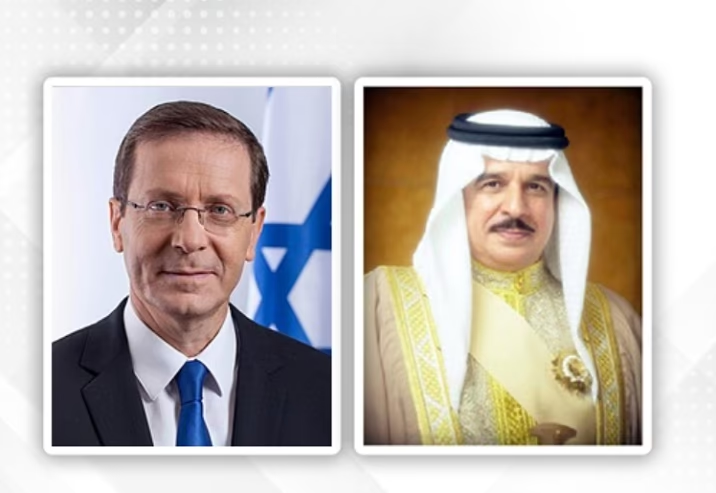
The King of Bahrain, Hamad bin Isa Al Khalifa, held a phone call with Israeli President Isaac Herzog, during which the two sides discussed the latest developments on the regional and international arenas. This diplomatic communication comes amid complex security conditions in the region, with discussions focusing on strengthening frameworks for joint cooperation to serve regional stability.
Official sources reported that the call touched upon the trajectory of bilateral relations that have grown within the framework of the Abraham Accords, emphasizing the importance of coordination to confront current challenges. Both sides stressed the necessity of achieving security and prosperity for the peoples of the region, in light of the escalating threats to the national sovereignty of states.
This diplomatic move coincided with the General Command of the Bahrain Defense Force announcing the success of its air defense systems in intercepting and destroying a series of Iranian aerial attacks. Manama described these attacks as 'treacherous,' asserting that they systematically targeted civilian areas, representing a dangerous escalation in Iranian behavior towards its neighbors.
Bahraini authorities accused Tehran of continuing its aggressive approach that disregards international laws and diplomatic norms. The military command affirmed that all units and weapons are on maximum alert, ready to carry out their defensive duties to protect the kingdom's security and territorial integrity from any external aggression.
In a related context, the Royal Field Engineering Unit warned citizens and residents against approaching any strange objects that might be remnants of the Iranian attacks. Sources indicated that technical teams are sweeping affected areas to ensure public safety, urging everyone to immediately report any suspicious remnants for safe handling.
For its part, the Iranian Revolutionary Guard announced the execution of strikes targeting Al-Udairi base in Kuwait, in addition to a watchtower belonging to the US Fifth Fleet stationed in Bahrain. Iranian media claimed that the attacks also hit US military facilities at Sheikh Isa Air Base in Bahrain and Al-Azraq Base in Jordan.
The region has been in a state of general alert since the renewal of military confrontations between the United States and Iran about two weeks ago, with sirens sounding in Manama several times. These repeated Iranian attacks are part of a broader conflict involving several Gulf and Arab countries, threatening to expand the scope of direct confrontation.
On the maritime front, the US Central Command confirmed that the blockade imposed on Iran remains in full effect, with continued inspection operations of ships in the Arabian Sea. US military sources clarified that naval forces have raised their readiness level to intercept any illegal shipments or movements that threaten international navigation in the region.
In contrast, the Iranian Ministry of Foreign Affairs revealed the continuation of political and technical consultations with the Sultanate of Oman regarding the status of the Strait of Hormuz. The Iranian Foreign Ministry spokesman described these talks as 'fruitful,' despite not disclosing precise details about the understandings that might be reached to de-escalate maritime tensions.
Moving to the Palestinian issue, the Israeli Ministerial Committee for National Security Affairs (the 'Cabinet') approved by majority a decision to introduce an 'international stabilization force' into the Gaza Strip. The meeting witnessed strong opposition from extremist minister Itamar Ben-Gvir, who rejects any international arrangements that do not guarantee full Israeli control over the Strip.
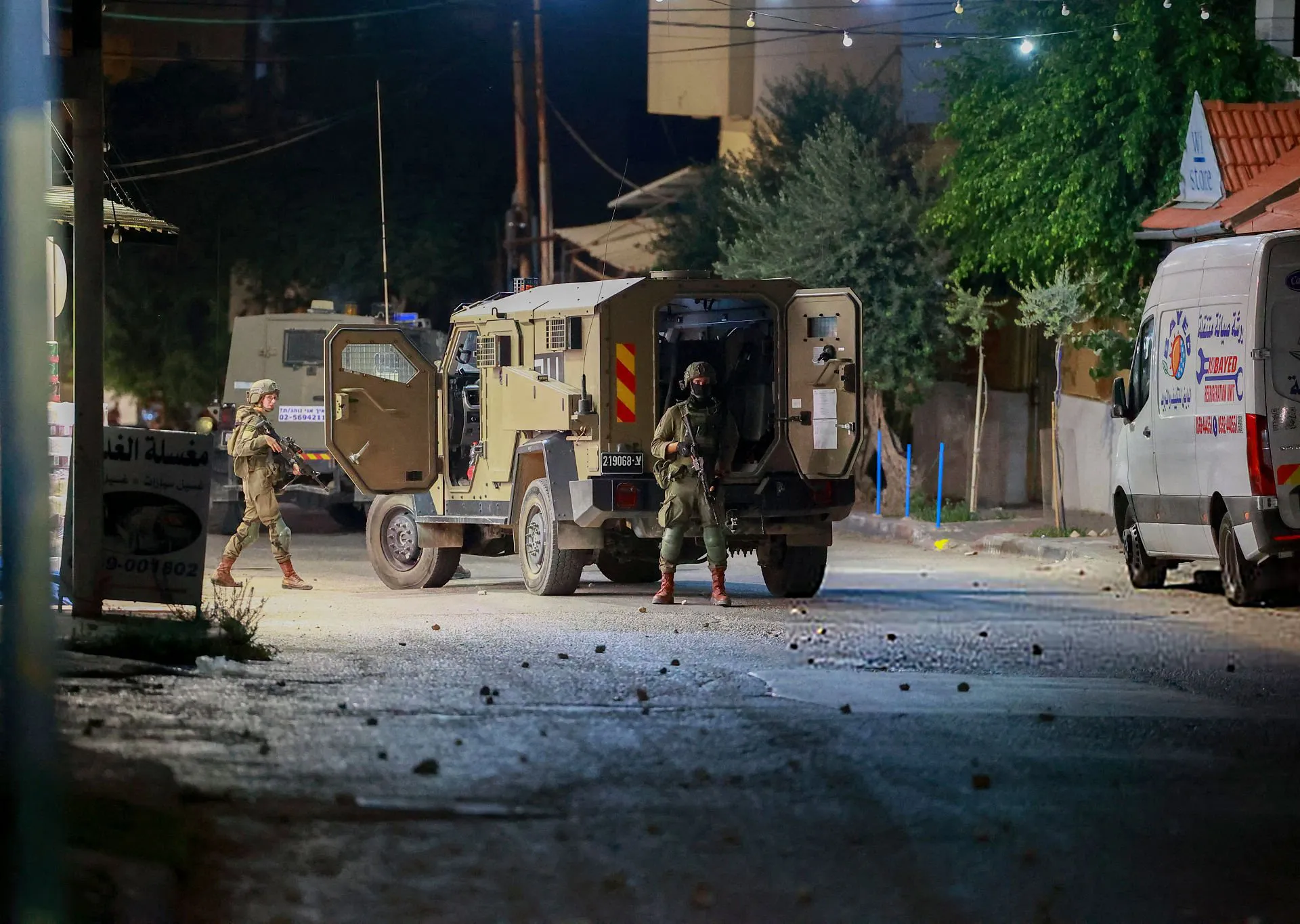
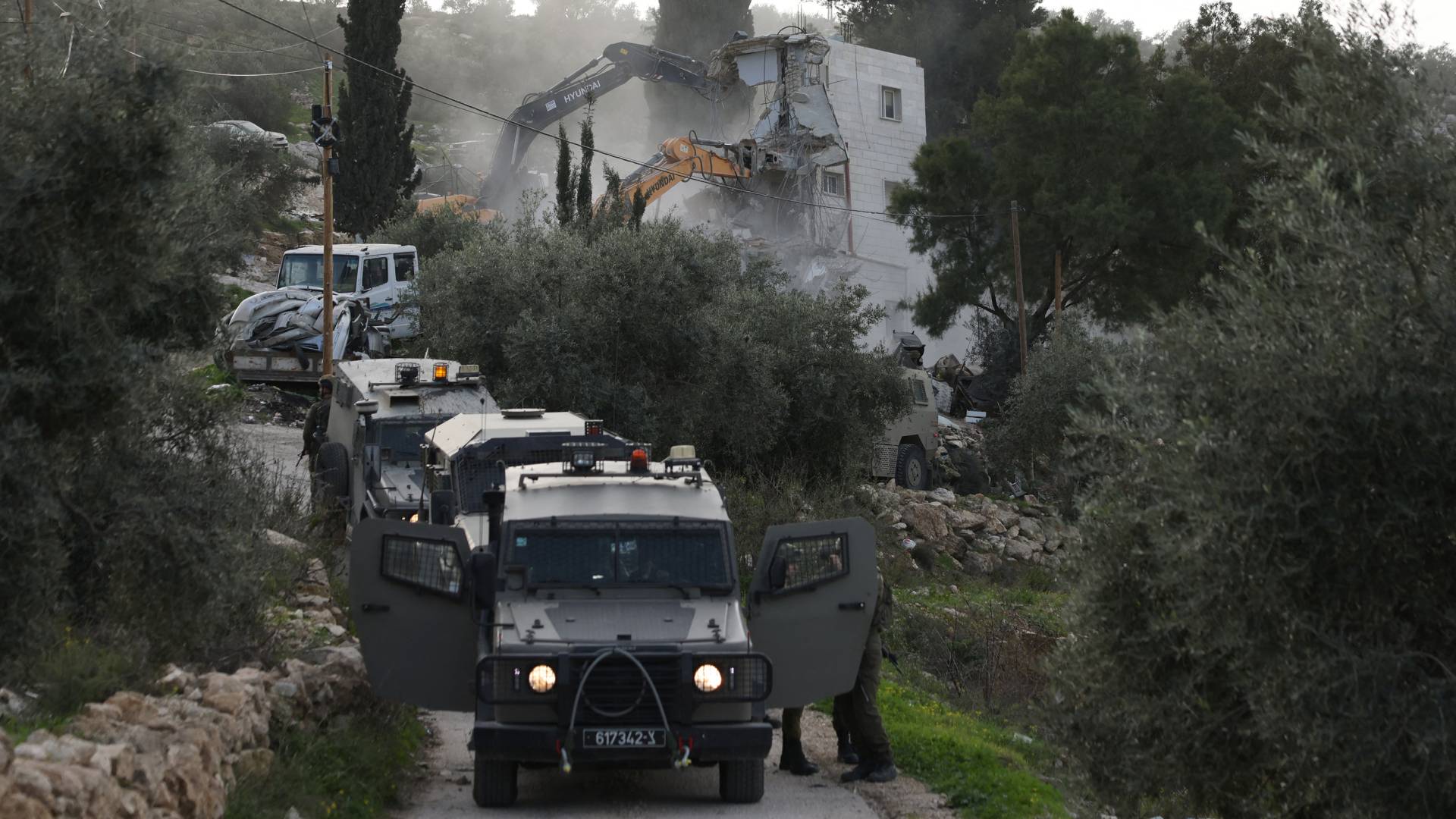
Despite this decision, field sources indicate that the Israeli occupation is creating obstacles to the implementation of this international force's tasks, insisting on military presence in strategic areas. The Israeli government insists on not withdrawing from the 'Yellow Line' until its stated goals of completely disarming the Strip are achieved.
On the ground, occupation forces continued their aggression against the Gaza Strip, with medical sources reporting the martyrdom of four individuals since dawn on Sunday as a result of continuous shelling. The humanitarian crisis in the Strip is worsening with thousands of bodies remaining under the rubble, posing a complex legal and humanitarian challenge amidst the destruction of infrastructure.
Observers believe that US pressure is the primary driver behind Israel's initial acceptance of an international force in Gaza, in an attempt to contain international anger. However, the actual implementation of this decision remains contingent on field developments and the extent to which different parties respond to the conditions set by the occupation government to ensure its security.
In conclusion, these successive developments, from Bahraini-Israeli contacts to Iranian military escalation and aggression against Gaza, reflect a state of uncertainty in the Middle East. Ongoing diplomatic efforts remain an attempt to control the pace of the conflict and prevent the region from sliding into a comprehensive war with potentially dire consequences.
During the call, international and regional developments and bilateral relations were discussed, within the framework of the Abraham Accords, aiming to bring security, stability, and prosperity to the region.

شارك برأيك
King of Bahrain discusses regional tensions with Israeli President following Iranian attacks