






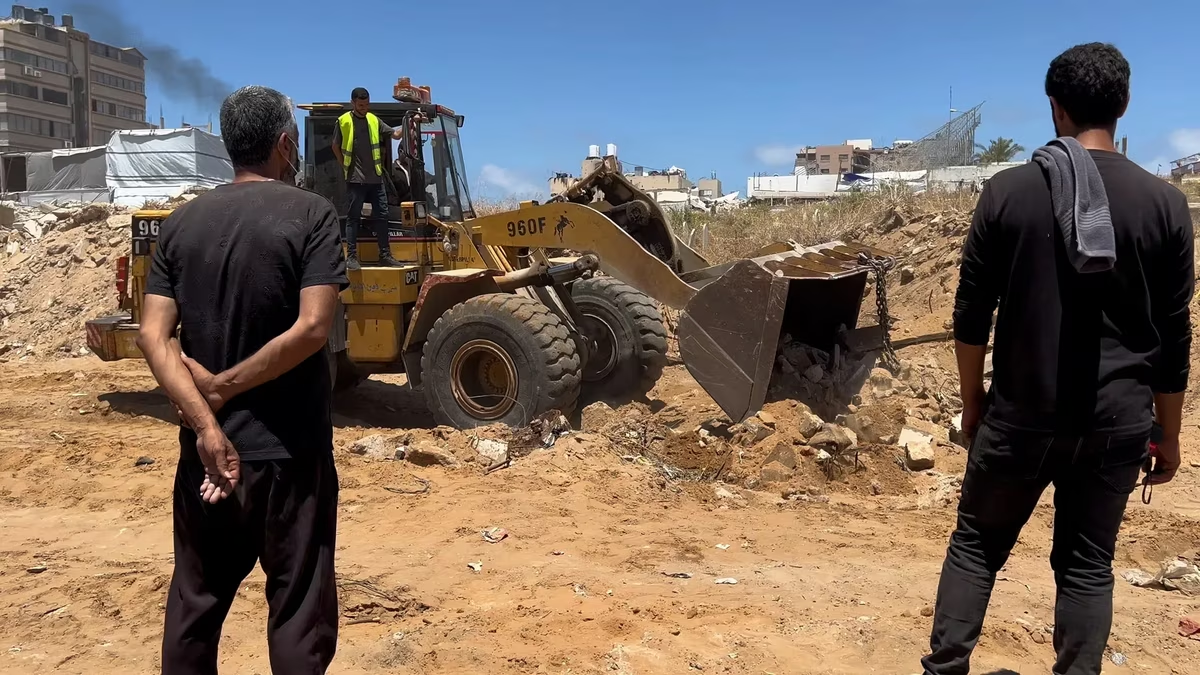
Under the scorching sun in Gaza City, technical teams and workers are engaged in a difficult and sensitive mission among sand dunes and shattered gravestones. Workers meticulously observe the movement of bulldozers, searching for any trace of white shrouds that might emerge from the excavated soil, in an attempt to recover the bodies of martyrs and the deceased buried by systematic Israeli shelling.
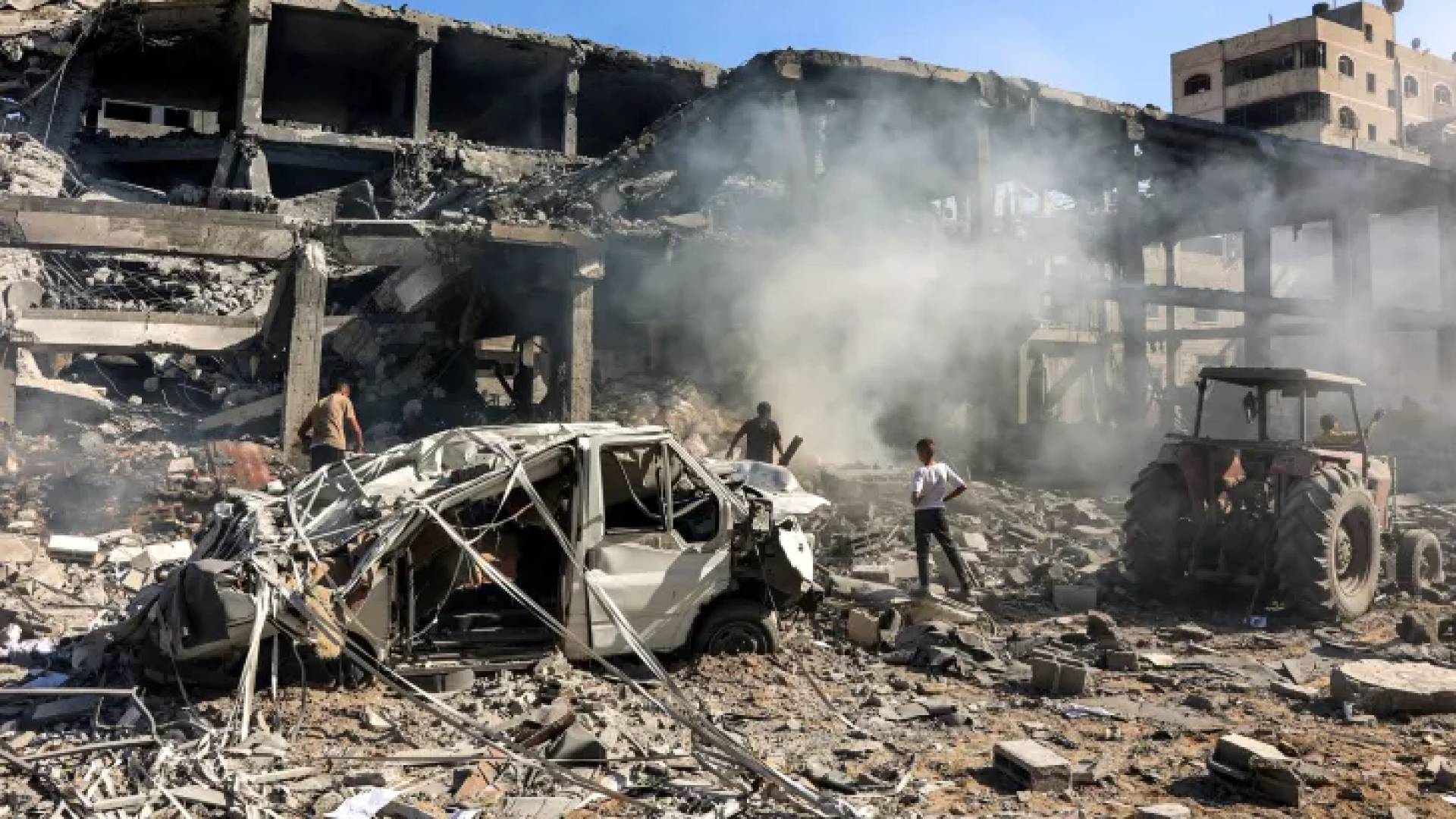
Sheikh Radwan Cemetery, located west of Gaza City, witnessed widespread destruction affecting its eastern and southern sides, leading to the complete disappearance of hundreds of graves. This destruction did not stop at killing the living but pursued the dead in their graves, transforming previously identified bodies into unidentified remains after the loss of their markers and identifying data.
The Ministry of Endowments, in cooperation with the Body Management Committee, announced the start of the first phase of a national project to rehabilitate and restore cemeteries attacked by the occupation army. The project primarily aims to preserve the dignity of the dead and collect scattered remains resulting from the bulldozing and shelling operations that targeted the infrastructure of burial sites in various areas of the Strip.
The committee overseeing the work consists of representatives from the Ministry of Health, Civil Defense, forensic evidence, as well as forensic medicine and the Ministry of Endowments. These teams work in an integrated manner to ensure the documentation of every body recovered, with a focus on the religious, legal, and technical aspects of dealing with decomposed remains.
Responsible sources reported that work began in Sheikh Radwan Cemetery due to the extensive damage it sustained and its repeated targeting. The project is expected to extend later to include all accessible cemeteries in Gaza City and the northern Strip, to restore what the occupation destroyed during the long months of war.
The teams face a significant challenge in identifying the bodies, as the concrete and marble gravestones bearing names and dates have been destroyed. Sources confirmed that the majority of graves currently being dealt with are now unknown, placing an additional burden on forensic teams in attempting to build a new database.
Initial estimates indicate that more than 40 bodies were recovered on the first day of work in Sheikh Radwan Cemetery alone. Officials expect the total number of bodies extracted after completing work in this cemetery to reach at least 300, which were buried due to airstrikes and ground bulldozing operations.
Forensic medical teams are documenting each recovered case through precise photographic imaging and the collection of biological samples. These procedures aim to prepare files for future DNA testing, once the necessary technical and laboratory capabilities become available to identify the owners of these remains.
Those in charge of the project explained that the absence of families from the recovery operations is due to the difficulty of visually identifying the bodies because of their prolonged decomposition. Moreover, the harsh conditions of war forced many to undergo emergency and rapid burials without their relatives being able to attend or accurately document the burial sites.
The plan extends to include 62 cemeteries in the Gaza Strip, all of which have been subjected to systematic destruction and aggression by the occupation forces. After completing Sheikh Radwan Cemetery, the teams will move to Sheikh Shaaban Cemetery, Faluja cemeteries, and the Beit Lahia project, in a race against time to restore what can be saved.
There are still significant obstacles preventing access to cemeteries located in the 'yellow zones' completely controlled by the occupation army. These areas include the Martyrs' Cemetery east of Jabalia and the cemeteries of Beit Hanoun and Rafah, where no accurate information is available about the extent of the damage they have sustained so far.
According to human rights data issued by the Euro-Mediterranean Monitor, the occupation destroyed about 93.5% of Gaza Strip cemeteries, either completely or partially. The Monitor considered this targeting a war crime aimed at erasing the collective memory of Palestinians and severing their historical connection to their land and ancestors.
Statistical analyses showed that 39 official cemeteries were completely destroyed, while another 19 cemeteries suffered severe partial damage. Only 4 cemeteries escaped the Israeli destruction machine, reflecting a systematic policy of targeting cemeteries as part of the ongoing genocide.
Workers continue to collect the remains and place them in designated, tightly sealed bags, in preparation for reburial in organized graves with documentation numbers. Hopes remain that technical efforts will succeed in the future in returning names to their owners, so that Gaza's martyrs and deceased may rest in peace befitting their sacrifices.
We are working to restore these graves and try to identify the remains; the current goal is to preserve the dignity of these deceased according to divine laws and international laws.
Share your opinion
Gaza Begins Restoring Its Destroyed Cemeteries: A Journey to Find the Dignity of the Dead Under the Rubble of War