





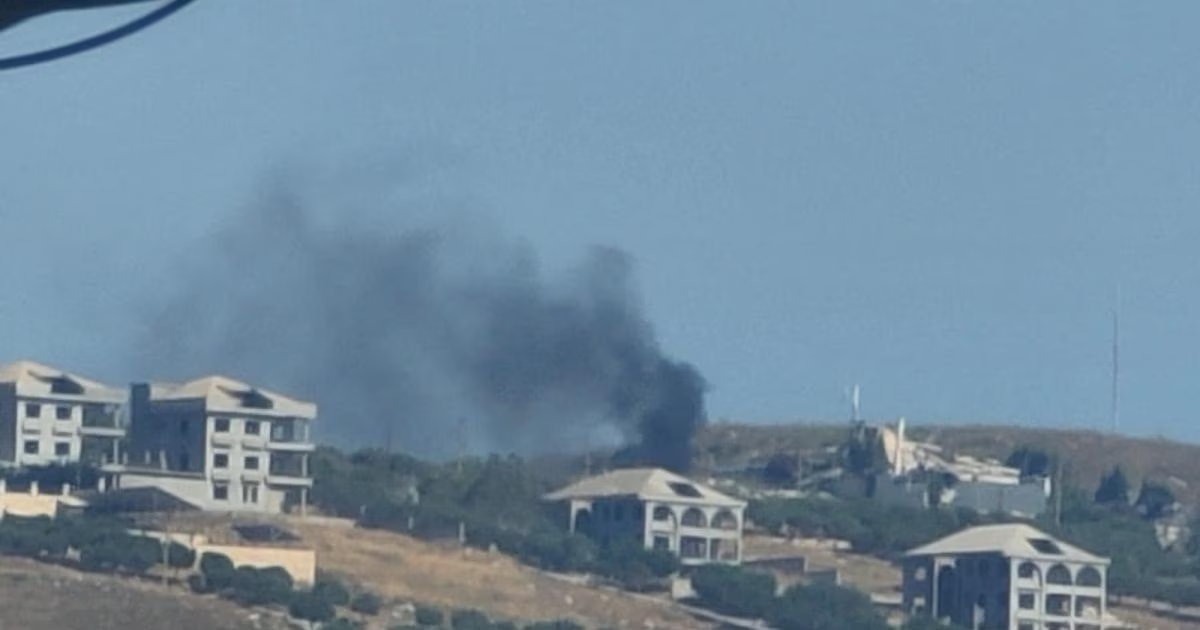
The capitals Beirut and Tel Aviv are preparing for a new round of direct negotiations in Washington, the second session of the fifth round, amidst a fragile ceasefire witnessing repeated Israeli violations. These discussions aim to reach a final formula for establishing security, but the mechanisms for Israeli withdrawal from the south remain the most prominent obstacle to any tangible progress.\n\nOn the ground, the Israeli war machine has not quieted, with sources reporting the martyrdom of two people following a drone strike targeting a car in the vicinity of the town of Kafr Rumman, part of the Nabatieh district in southern Lebanon. This strike comes in the context of ongoing attacks launched by the occupation under the pretext of removing immediate threats, putting security understandings at risk.\n\nFor its part, the Israeli army announced the targeting of two Hezbollah militants in the Tallat Ali al-Taher area near Nabatieh, claiming they posed a direct threat to its forces stationed there. This is the second time in two days that the occupation has announced carrying out field liquidations deep within areas that are supposed to be subject to security arrangements.\n\nIn the diplomatic corridors of Washington, the Lebanese delegation maintains a firm stance requiring a complete and unconditional Israeli withdrawal from all occupied Lebanese territories. Lebanon stresses that extending state sovereignty and limiting weapons to the Lebanese army is the only way to achieve sustainable stability on the northern borders of occupied Palestine.\n\nIn contrast, Israel shows clear intransigence by demanding to retain military positions in strategic areas within Lebanese territory. Israeli Prime Minister Benjamin Netanyahu seeks to impose a fait accompli in the form of a permanent 'security zone,' which Beirut considers a blatant violation of national sovereignty and a retreat from international understandings.\n\n"Experimental areas" emerge as one of the proposed solutions that spark wide debate, where a limited Israeli withdrawal from certain sectors is stipulated to test the Lebanese army's ability to control security there. Tel Aviv monitors this mechanism with extreme caution, stipulating the prevention of any return of Hezbollah's military influence to those areas to ensure the continuation of the withdrawal.\n\nRegarding hardline political stances, Israeli Security Minister Israel Katz stated that Tel Aviv would not withdraw from southern Lebanon even if the American administration explicitly requested it. These statements were made during a conference in Tel Aviv, reflecting the extent of the Israeli challenge to the American-Iranian understandings that call for respecting the integrity of Lebanese territory.\n\nThis rigid stance from Katz aligns with a recent joint statement issued by Netanyahu and Chief of Staff Eyal Zamir, in which they affirmed their intention to continue occupying what they describe as the security zone. This approach reflects an Israeli desire to transform the temporary occupation into a long-term reality, disregarding repeated Lebanese and international demands.\n\nFor his part, Lebanese President Joseph Aoun clarified that discussions about 'model areas' are still ongoing and have not yet reached a final agreement, awaiting clear responses from the Israeli side. Aoun affirmed during his meeting with a British delegation that the top priority is to establish a ceasefire and ensure the return of displaced persons to their villages and reconstruction.\n\nThese movements coincide with international efforts led by Washington and Doha in cooperation with Tehran and Pakistan to devise an effective monitoring mechanism to prevent the situation from escalating into a full-scale confrontation. This mechanism raises concerns in Israeli circles, especially since it includes parties that do not have relations with Tel Aviv, making field coordination complex and difficult.\n\nIn the context of international support for Lebanese institutions, diplomatic documents revealed a European Union proposal to send a military and civilian mission to Lebanon for three years. This mission aims to provide technical advice and advanced training to the Lebanese army and internal security forces to enhance their capabilities in controlling borders and southern areas.\n\nThe EU proposal requires consensus from the 27 member states, which is currently being discussed in Brussels as a proactive step to support the Lebanese state in the post-withdrawal phase. Observers believe that this European support could provide an additional international guarantee to allay Israeli security concerns about a military vacuum in the south.\n\nDespite these initiatives, the reality on the ground remains the primary driver of events, as Israel continues its artillery and aerial bombardment under flimsy security pretexts. Field sources confirm that these violations aim to pressure the Lebanese negotiator in Washington to make concessions on the sensitive border areas file.\n\nIn conclusion, the Washington negotiations remain suspended between a Lebanese desire to restore full sovereignty and an Israeli insistence on encroaching on parts of the south under the guise of security. With the continued fall of martyrs and wounded, the gamble remains on the extent of international pressure's ability to curb Israeli escalation and ensure the implementation of relevant UN resolutions.\n\nEven if there is an American demand, the Israeli army will not withdraw from southern Lebanon.

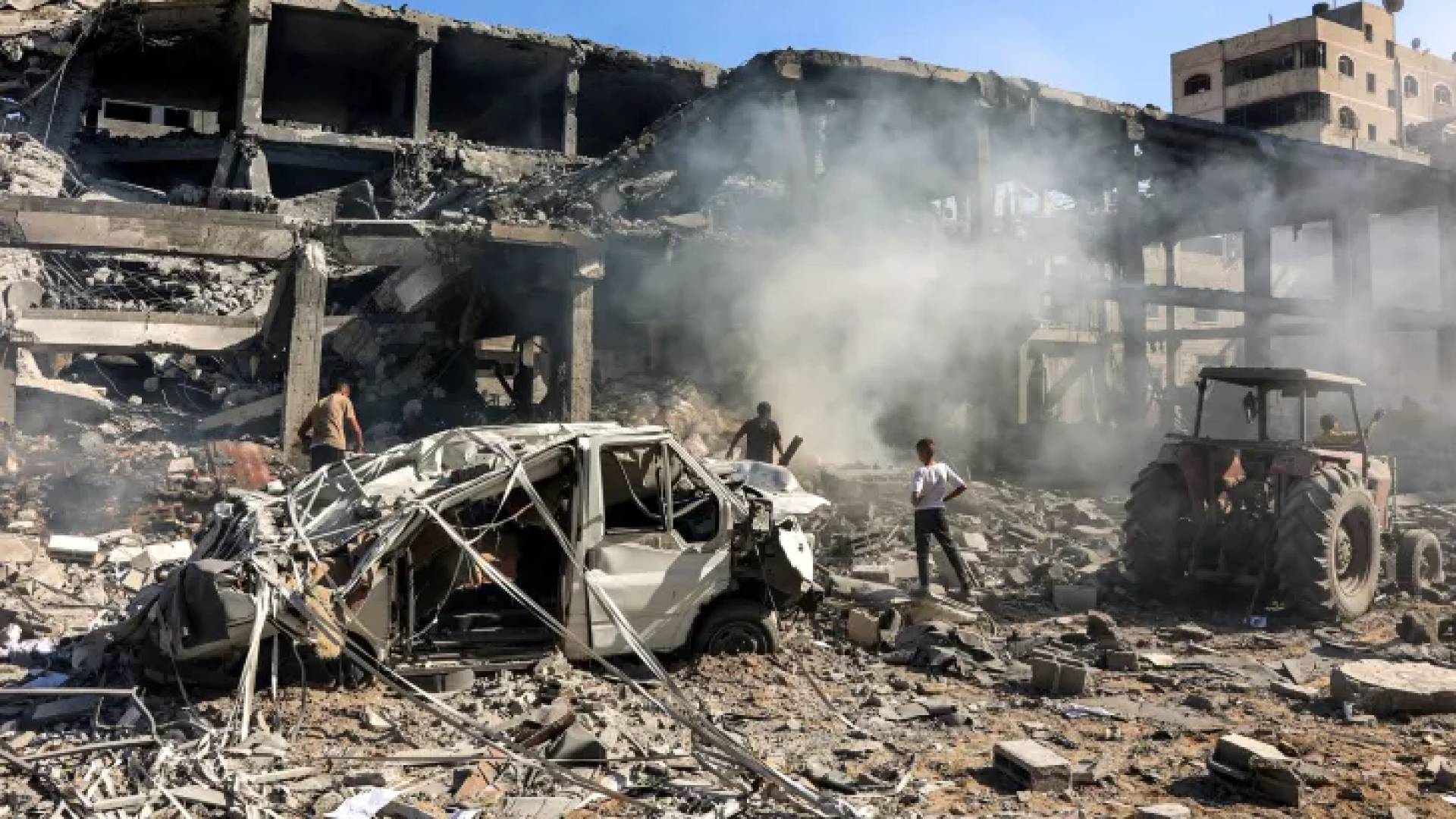
PALESTINE
Thu 25 Jun 2026 12:37 am - Jerusalem Time
Washington Negotiations Under Fire: Israeli Intransigence on Withdrawal and Field Escalation in Nabatieh
Tags
MORE FROM PALESTINE
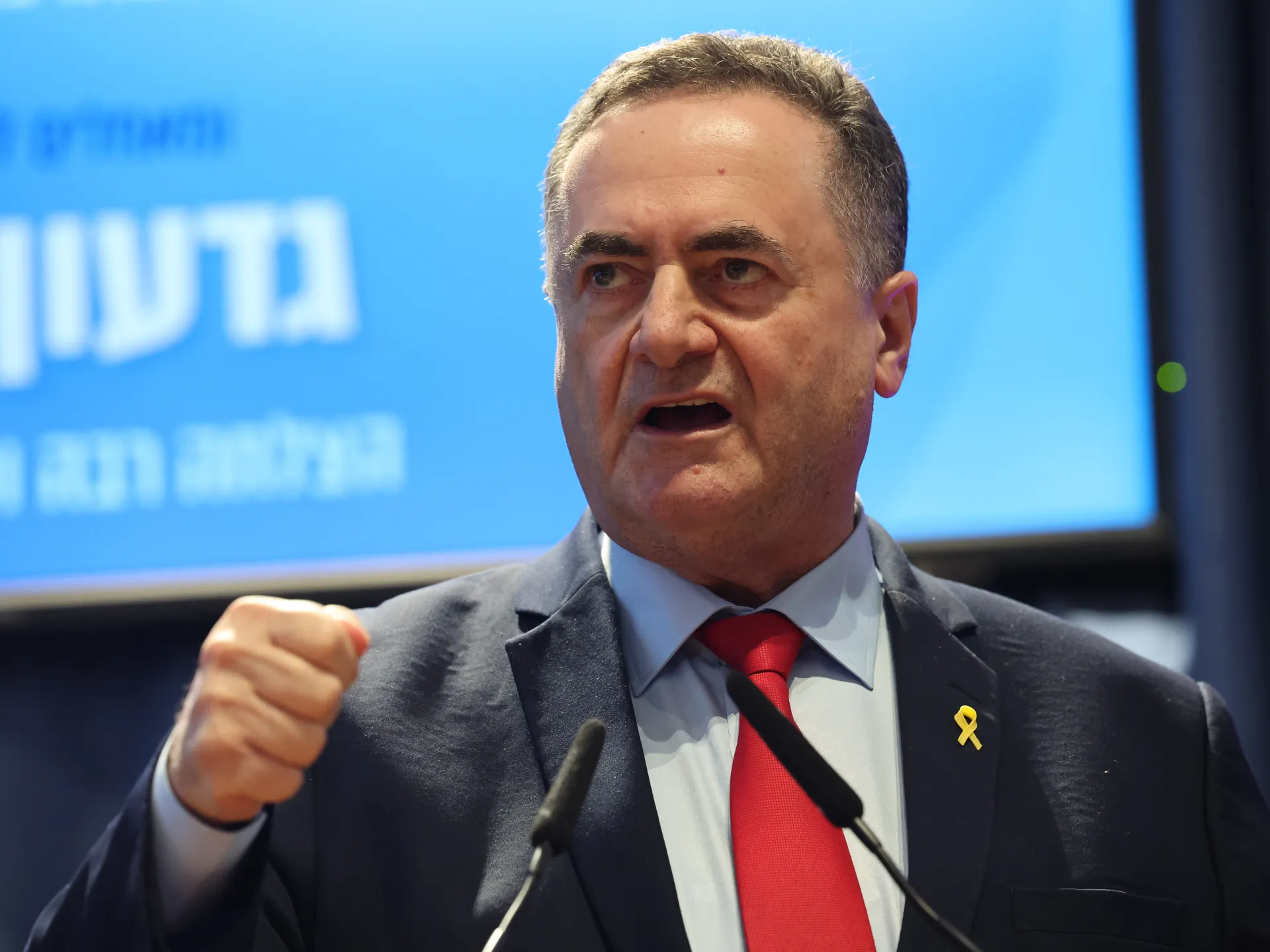
Secret $370 Million Budget: Israeli Plan to Boost Settlement in West Bank
13 Martyrs in Gaza: Occupation Assassinate Jabalia Police Director and Continues Targeting Civilian Institutions
3 martyrs and wounded in an airstrike targeting a house in Deir al-Balah city

Share your opinion
Washington Negotiations Under Fire: Israeli Intransigence on Withdrawal and Field Escalation in Nabatieh