






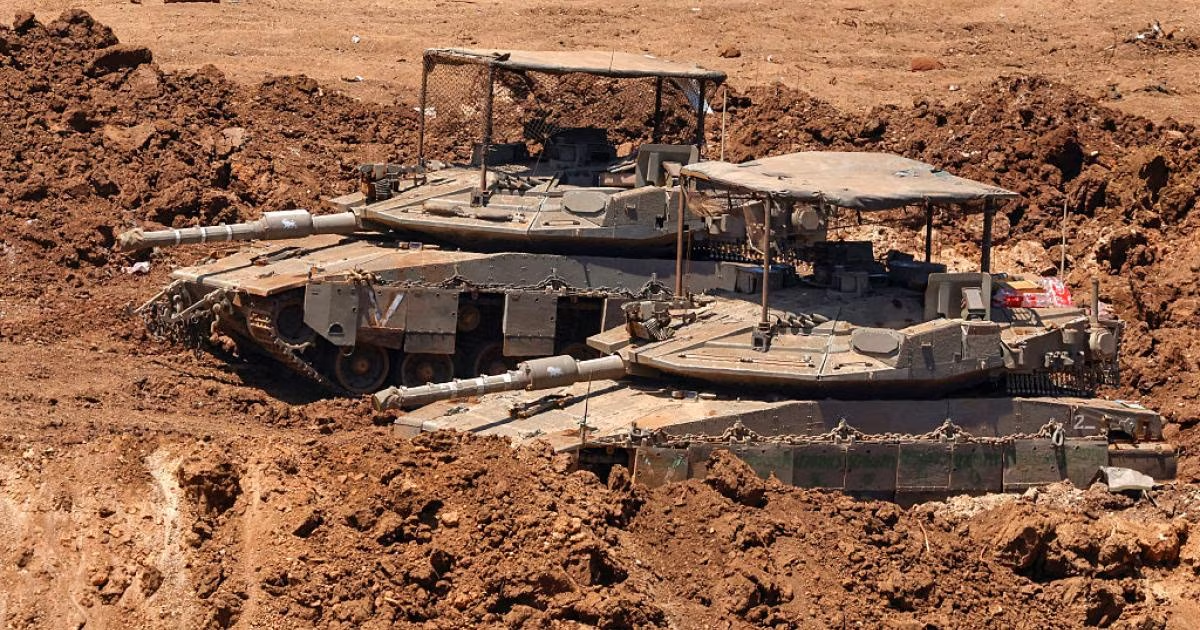
Hebrew sources reported that the security establishment in Israel is considering the possibility of a US decision for a gradual withdrawal of Israeli forces from areas in southern Lebanon. This development coincides with the start of a new round of indirect talks, aimed at formulating initial concepts for the deployment of the Lebanese army in those areas within the framework of an internationally supported pilot program.
These discussions are scheduled to take place in Washington with the participation of ambassadors from both sides and high-ranking officers with the rank of brigadier general, under direct American patronage. The meetings, which will continue until June 25, aim to bridge the gap between Israeli security demands and international pressure to end the military presence deep within Lebanese territory.
Israeli assessments indicate that the US administration may demand the Israeli army withdraw from some positions in what is known as the 'security zone' as a confidence-building measure. This measure would pave the way for Lebanese army units to deploy and assume security tasks, which Washington sees as a necessary step for the stability of the border region.
On the ground, reports have monitored Israeli army movements over the past twenty-four hours, with units beginning to reorganize their ranks and move some field sectors. These forces await decisions from the political level that will determine the shape of future military deployment in light of increasing diplomatic pressure.
Media sources quoted a senior Israeli official as saying that messages received from Washington in recent weeks have been firm and clear. The official confirmed that the previous authorization that granted Israel freedom of military action without restrictions in Lebanese territory has effectively ended, imposing a new reality on the negotiating table.
In a related context, press reports revealed a deep divergence in views between Tel Aviv and Washington regarding the future of southern Lebanon. While the US administration views the issue from a regional perspective that includes navigation and energy security, Israel focuses on preventing any political or moral gains that Hezbollah might achieve as a result of a withdrawal.
US President Donald Trump's administration seeks to achieve a quick diplomatic breakthrough in the Middle East that links complex issues including Iran and the security of waterways. This American ambition clashes with an Israeli view that sees an early withdrawal as an indication of military retreat and a weakening of the field position against Lebanese factions.
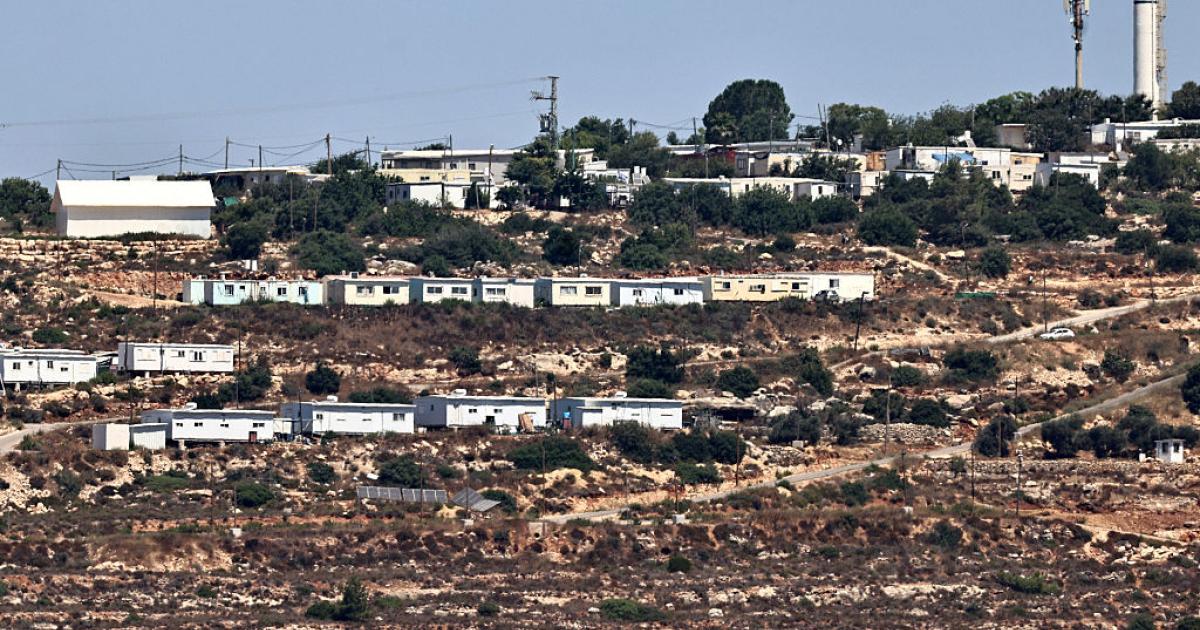
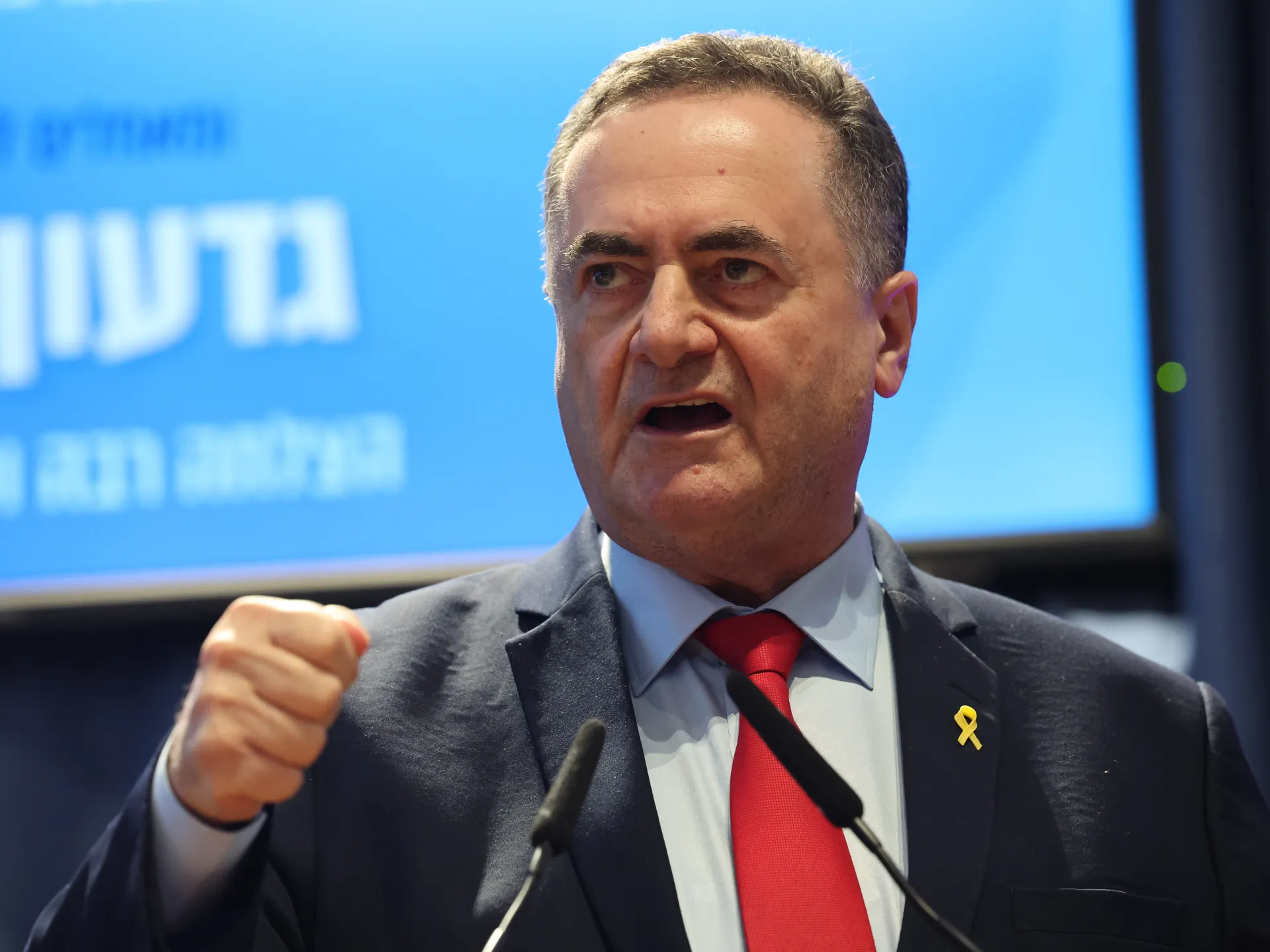
Despite these pressures, Israeli Prime Minister Benjamin Netanyahu and his security minister, Yisrael Katz, issued a joint statement affirming the continued occupation of the so-called 'security zone'. The statement, in which Chief of Staff Eyal Zamir participated, stressed that the army would continue to work to prevent any threats targeting northern settlements or the forces stationed there.
This rigid Israeli stance comes despite the entry into force of the US-Iranian memorandum, which explicitly stipulates respect for Lebanon's sovereignty and territorial integrity. It appears that the Israeli leadership is trying to balance external pressures with internal criticism accusing the government of restricting the army's freedom of action on the northern front.
Informed sources clarified that the last meeting, which included the Northern Command, focused on the necessity of maintaining field security superiority regardless of the results of political negotiations. Netanyahu affirmed that the security of Israelis remains the top priority, indicating that no concessions would be made that would affect the army's deterrent capability in confronting border threats.
In conclusion, these developments reflect a state of cautious anticipation in political and military circles, as everyone awaits the results of the fifth Washington round. While Israel insists on the presence of its forces, international powers are pushing to impose a new reality based on recently signed agreements, leaving the region facing open scenarios.
American messages that reached Tel Aviv made it clear that the previous authorization for unrestricted movement in Lebanon has ended.



Share your opinion
Israel Awaits US Pressure for Gradual Withdrawal from Southern Lebanon, Netanyahu Clings to 'Security Zone'