






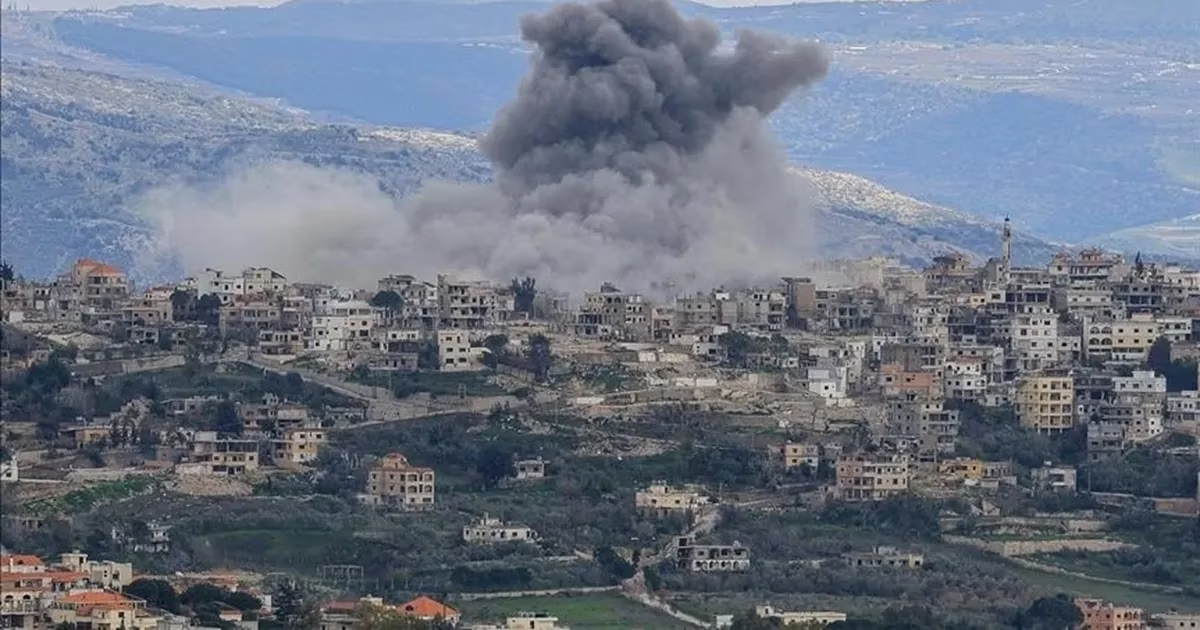
The Israeli occupation army continues to practice a policy of deception towards the international community, by persisting in committing massacres in the Gaza Strip and Lebanon despite repeated announcements of ceasefire agreements. These practices reflect Tel Aviv's lack of commitment to any genuine understandings, as it continues killing and destruction operations in areas it had previously classified as safe.
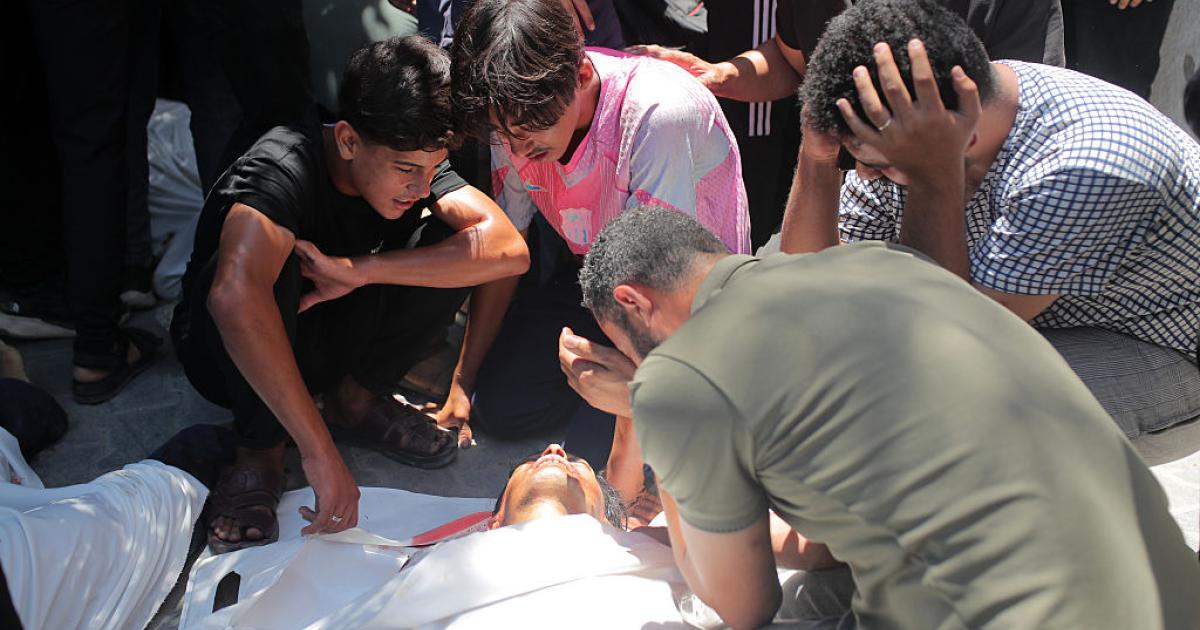
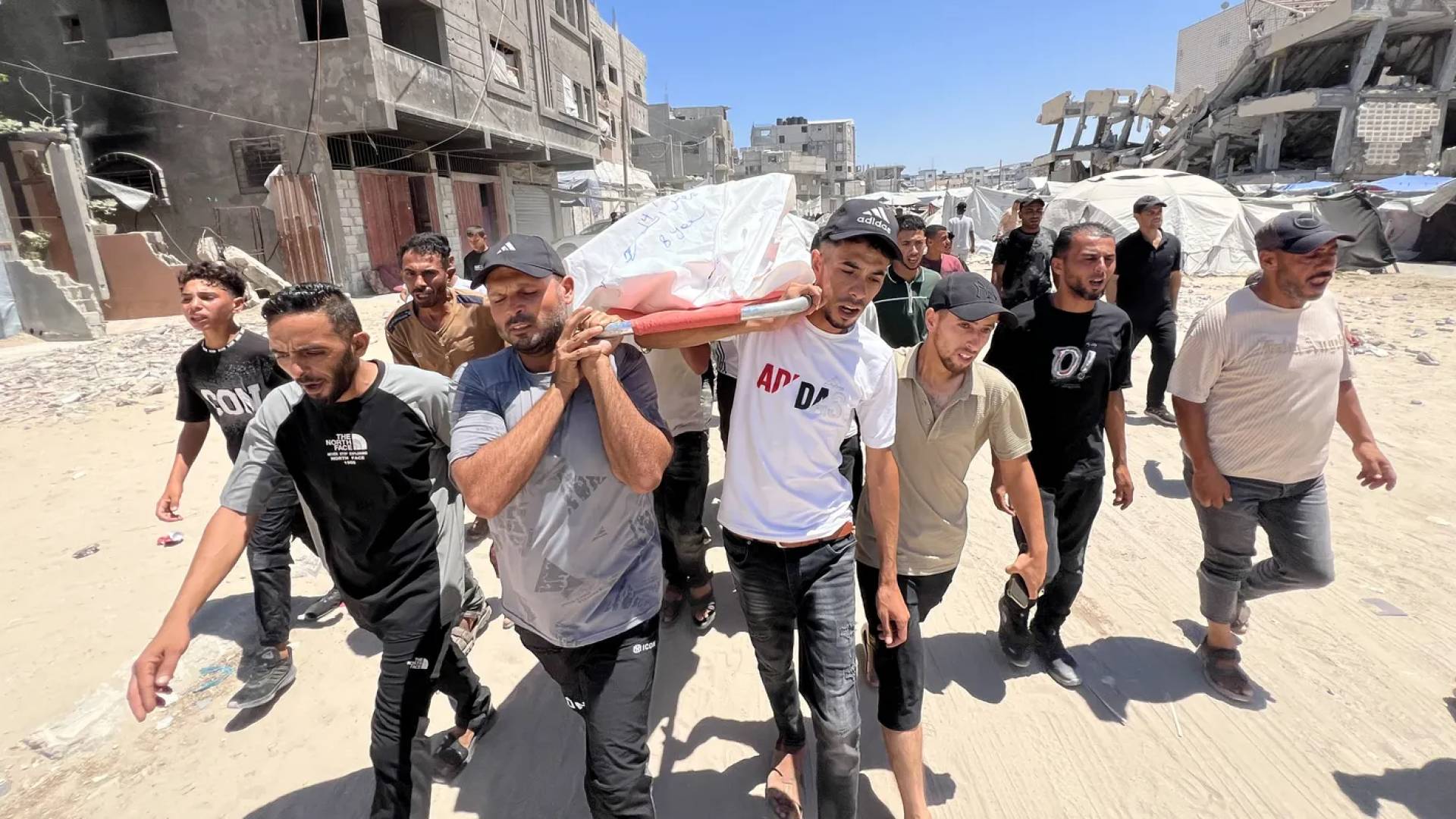
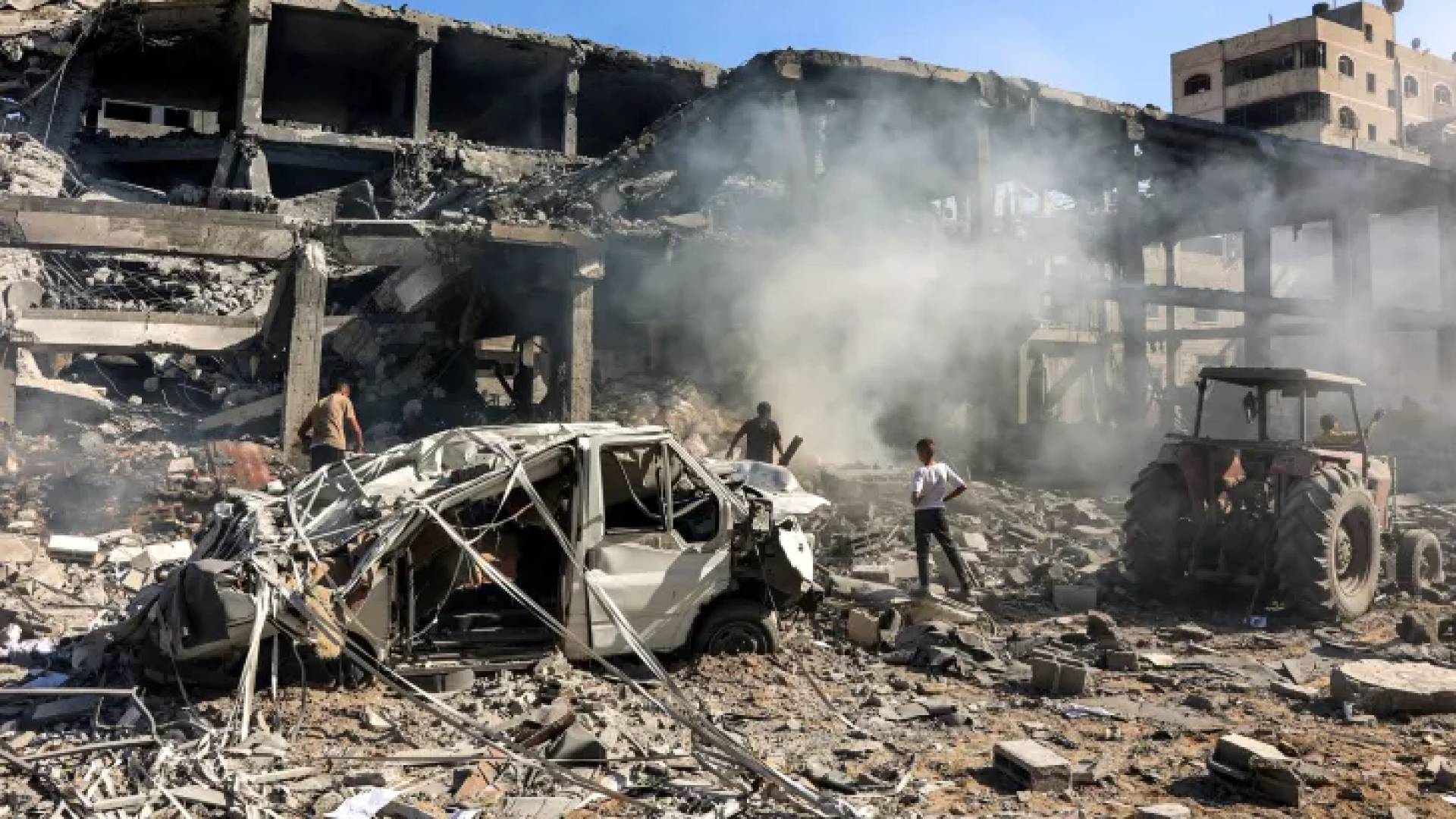
In a recent statistic issued by the Government Media Office, sources revealed that the occupation's violations of the ceasefire agreement in the Gaza Strip amounted to approximately 3338 violations. These fiery violations resulted in the martyrdom of over a thousand people and the injury of more than 3249 citizens, in addition to the arrest of dozens of Palestinians in various areas.
On the ground, the occupation army is working to expand what is called the 'Yellow Line' and control additional areas of the Gaza Strip, with reports indicating its current control over more than 60% of the Strip's area. This coincides with similar movements in southern Lebanon, where the occupation seeks to impose a new geographical reality under the pretext of establishing a buffer zone.
Imtanes Shihadeh, an expert in Israeli affairs, believes that the occupation state deals with truce agreements according to its own interpretations, which grant it freedom of military action. The occupation authorities claim that these agreements do not prevent them from carrying out preemptive strikes to remove what they describe as 'future security threats' or self-defense.
Shihadeh pointed out that Israel continues its war in Gaza at a pace that may sometimes seem slower, but it remains essentially ongoing due to the absence of real international or Arab pressure to force it to stop. He explained that the occupation is trying to maneuver on the Lebanese front to gain time and search for a 'victory image' that it has lacked since the beginning of the military confrontations.
In the context of the internal crisis, analysts affirmed that Benjamin Netanyahu and his government coalition are experiencing a strategic dilemma due to their failure to achieve the main war objectives in Gaza or Lebanon. Despite the massive destruction caused by the military machine, military achievements have not translated into political gains that would ensure the stability of the Israeli government.
Israel seeks to impose a new equation based on 'freedom of military action' to strike any attempts to restore the capabilities of the resistance in Gaza or Hezbollah in Lebanon. However, this equation faces rejection on the ground, while Tel Aviv is betting on the time margin available to it before any change in the US administration occurs.
For his part, Hassan Lafi, an expert in Palestinian and Israeli affairs, explained that understanding current Israeli policy requires delving into Netanyahu's personality and personal calculations. After the events of October 7, Netanyahu became obsessed with restoring his image among his far-right audience, who reject any military retreat.
Lafi noted that Washington is no longer the only influential factor in Netanyahu's decisions; rather, internal opinion polls have become the primary driver of his actions. He realizes that his political future will be decided at the Israeli ballot boxes, not in the White House, which pushes him to take hardline stances to satisfy his electoral base.
The head of the occupation government sometimes deliberately opposes American wishes to appear as a strong leader capable of saying 'no' to the biggest ally when it comes to Israel's security. This message resonates widely with the Israeli right, which aspires to build a state that imposes its will without succumbing to external pressures, which explains the continuous escalation.
Netanyahu also realizes a harsh truth: that his continued stay in power is the only guarantee of his political and legal immunity, as losing his position means facing trials and isolation. Therefore, he prefers to continue with the option of military escalation and maneuvering with political agreements to ensure the prolongation of his stay in power.
Ultimately, the occupation continues to cram hundreds of thousands of displaced people in Gaza into very confined spaces, with ongoing military operations targeting infrastructure and what remains of the necessities of life. The reliance remains on real international pressure to stop these violations that transcend all international covenants and norms.
Israel acts from the interpretation it desires for the ceasefire agreement, claiming that it does not prevent it from carrying out attacks under the pretext of removing future threats.

Share your opinion
Occupation Violations in Gaza and Lebanon: A Thousand Martyrs and Settlement Expansion Under the Guise of a 'Truce'