






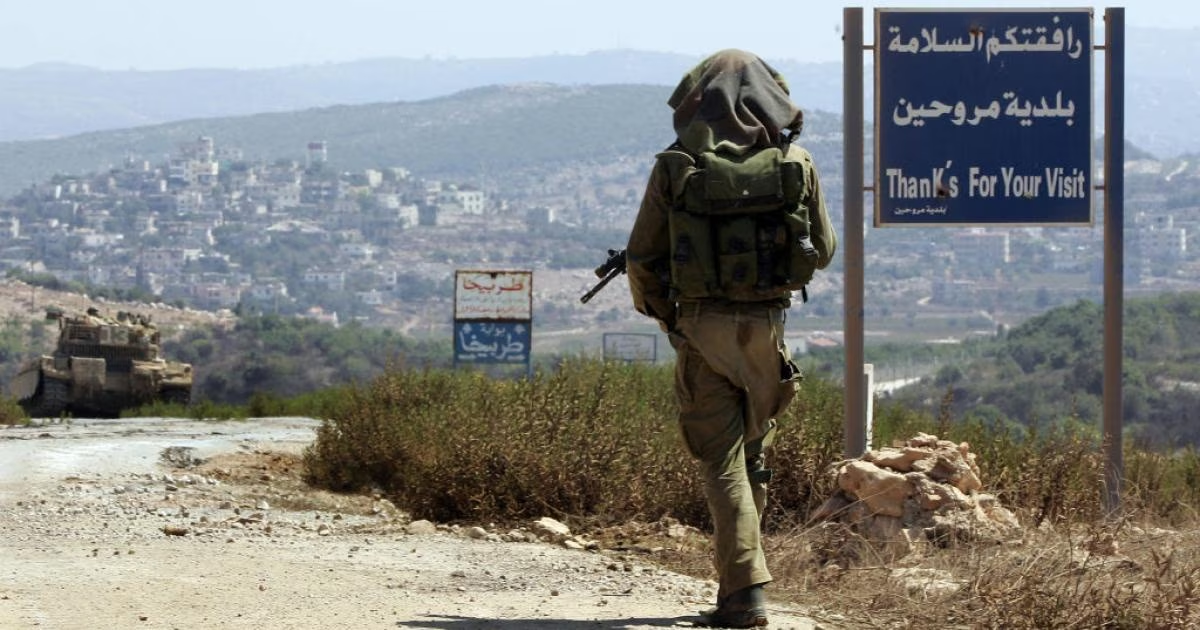
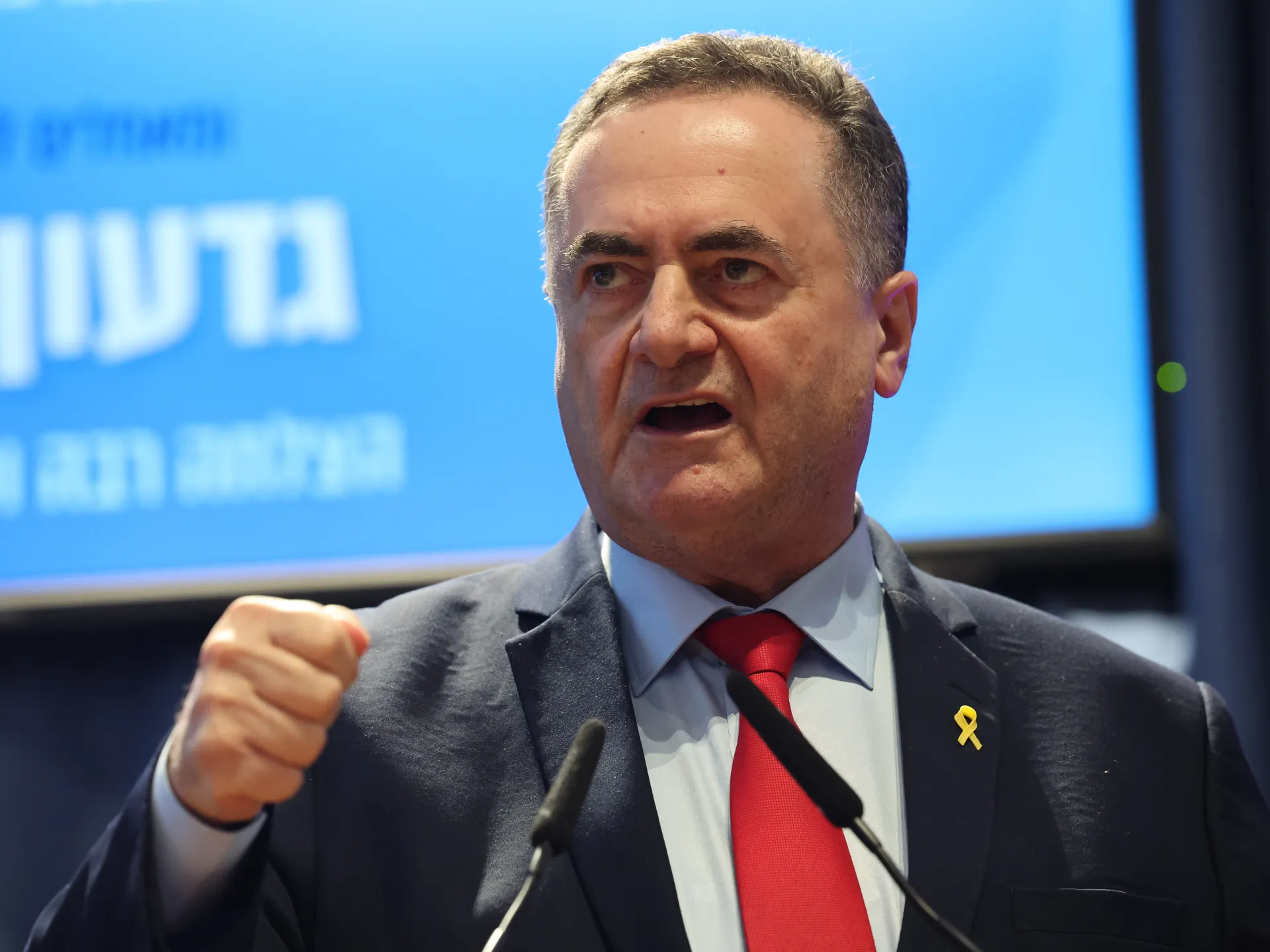
International press reports, citing US intelligence agencies, stated that the administration of President Donald Trump received serious warnings regarding the actions of Israeli Prime Minister Benjamin Netanyahu. The intelligence report indicated that Netanyahu might take escalatory steps on the Lebanese front, primarily aimed at obstructing a lasting peace agreement with Iran, amidst the complexities of the internal political scene in Israel.
The American report links the continuation of military operations in Lebanon to Netanyahu's political future, especially with the upcoming national elections scheduled for next fall. American analysts believe that the Israeli Prime Minister fears that any withdrawal or de-escalation might be interpreted by his right-wing public as a personal defeat, pushing him towards the option of military escalation against Hezbollah to bolster his electoral position.
For its part, informed sources in the Trump administration confirmed that Washington's top priority currently is to finalize the agreement with Tehran and ensure the reopening of the Strait of Hormuz to avoid a global economic crisis that could sweep international markets. Although the US administration affirmed that the terms of the agreement guarantee Israel's right to defend itself and respond to any fire from Lebanon, it believes that Netanyahu's political ambitions should not hinder global economic stability.
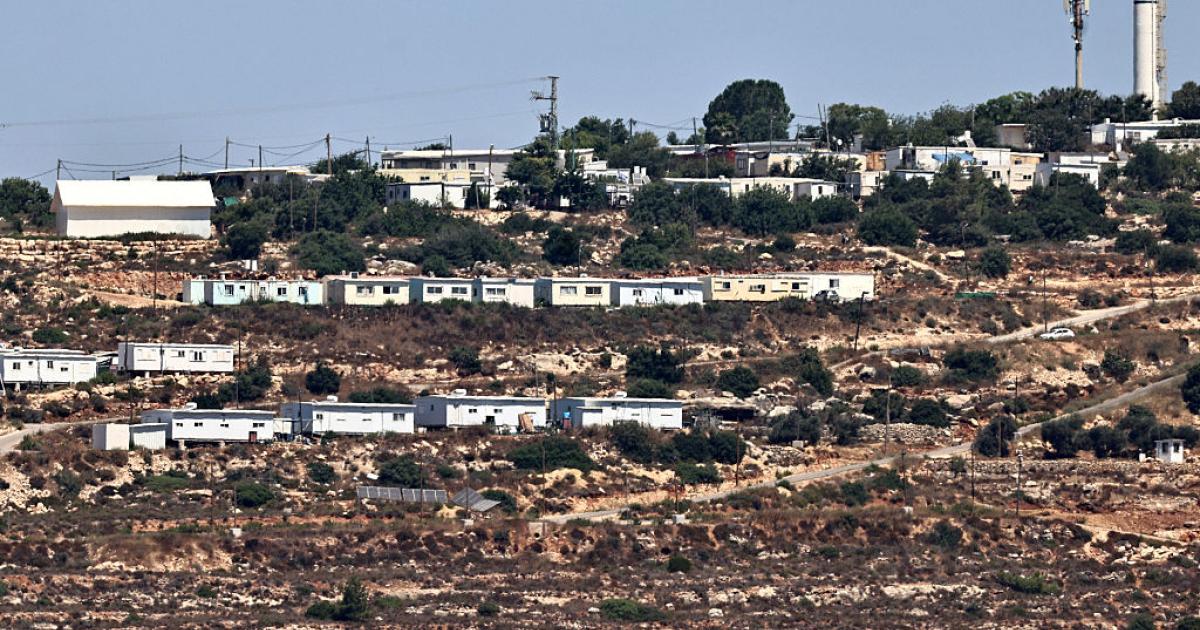
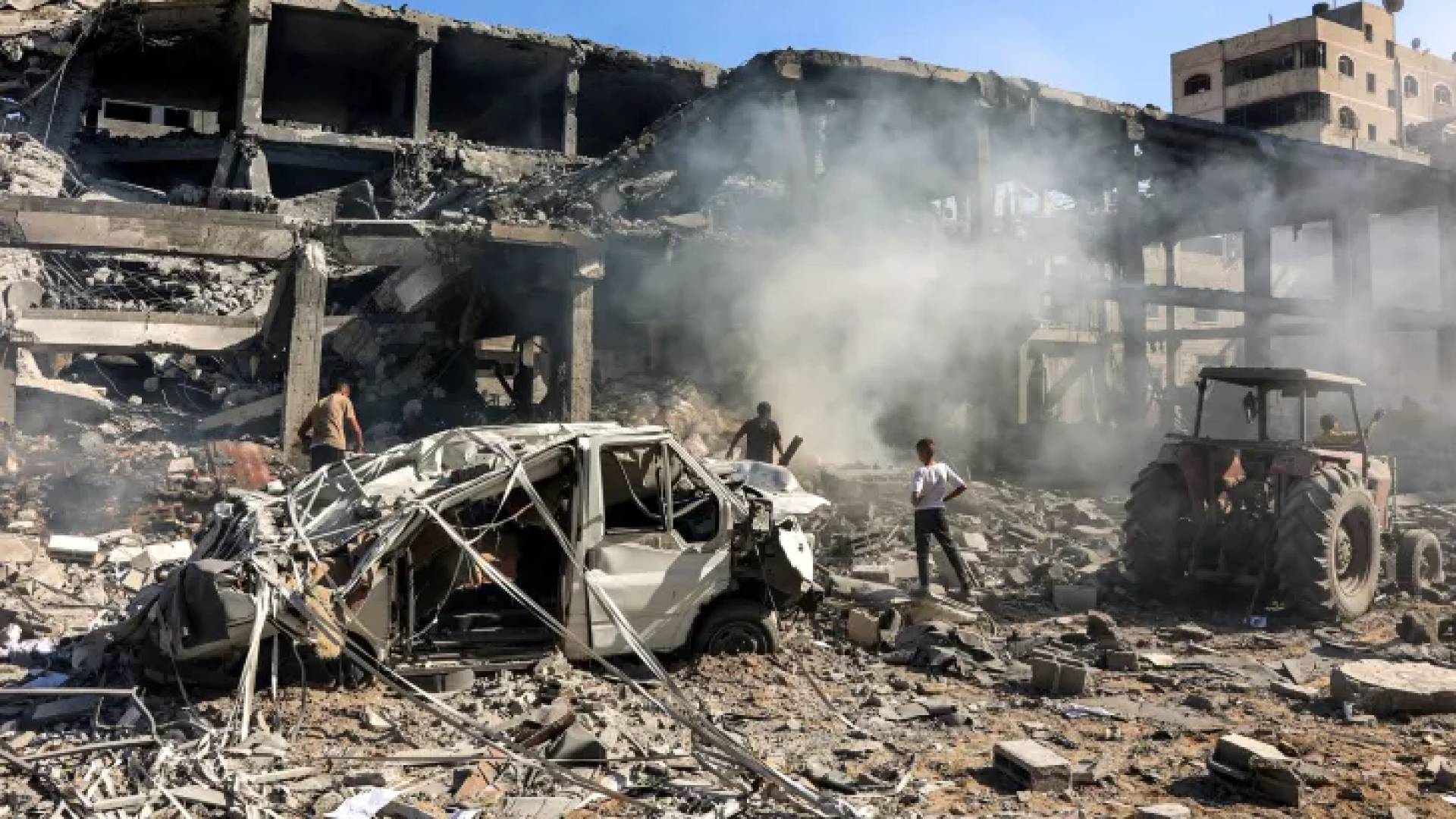
In a related context, Tehran announced the postponement of the round of talks scheduled in Switzerland, in response to what it described as the bloody Israeli escalation in Lebanese territories. This diplomatic setback comes at a time when the West Bank is witnessing a parallel escalation, as Israeli Finance Minister Bezalel Smotrich proceeded to withdraw planning and construction powers from the Hebron municipality, in a move aimed at expanding settlements in the heart of the historic city.
These developments coincide with severe military restrictions in the city of Hebron, where the occupation authorities began expanding the 'Shavei Hebron' Talmudic school, built inside the confiscated Osama bin Munqidh school. These measures, along with the imposed military siege, have led to a sharp decline in the number of worshippers at the Ibrahimi Mosque by up to 80%, amidst Palestinian demands for the return of international monitoring to protect residents from increasing settler attacks.
Netanyahu's political survival is linked to showing his domestic audience that he will not withdraw Israeli forces from Lebanon.
Share your opinion
US Intelligence Warnings: Netanyahu May Obstruct Iran Deal Through Escalation in Lebanon