






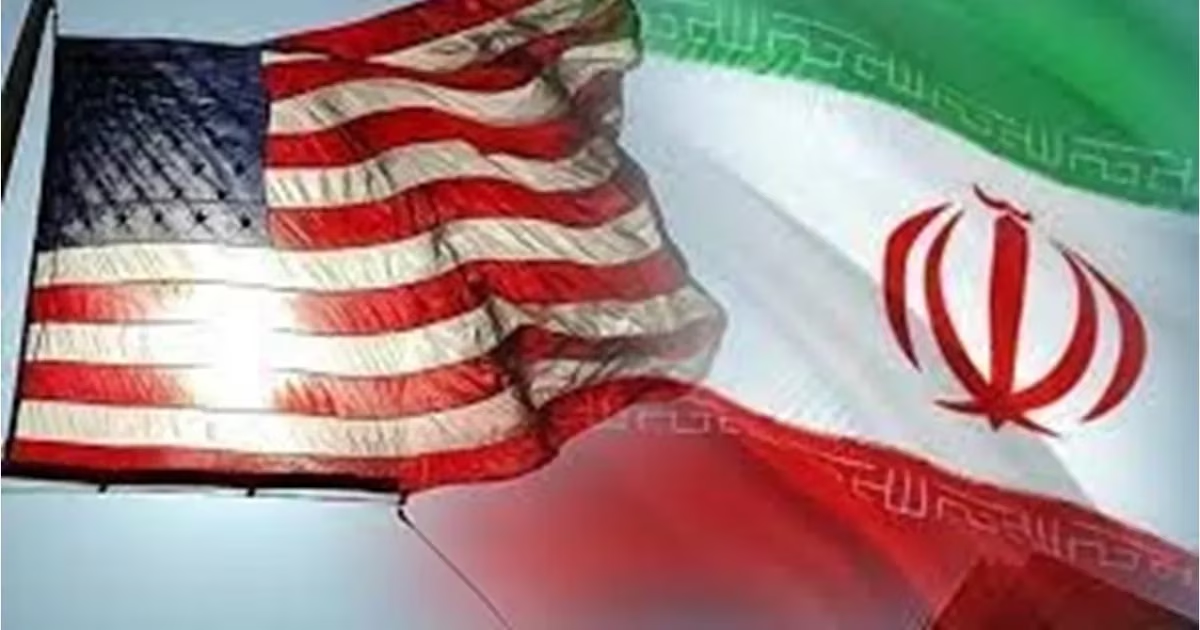
The revelation of the terms of the recent US-Iranian agreement sparked a wide wave of conflicting interpretations. Parties affiliated with Tehran rushed to promote a narrative of victory, while opposing voices in Washington considered that President Trump's administration made concessions disproportionate to the military superiority on the ground. This division reflects a state of political polarization that extends beyond the text of the agreement to the ideological aspirations of each party.
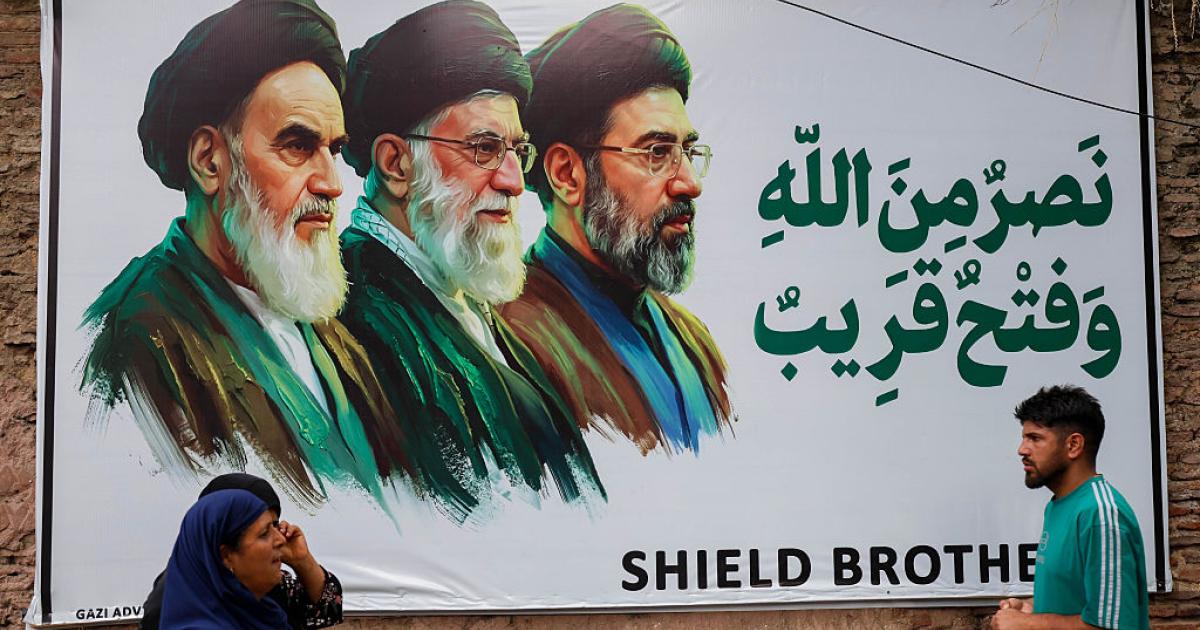
Domestically in Iran, a message attributed to Supreme Leader Mojtaba Khamenei revealed a clear divergence of views within the hierarchy of power, with the Leader distancing himself from the direct outcomes of the agreement. Khamenei clarified that he authorized the step based on President Masoud Pezeshkian's full assumption of responsibility as head of the Supreme National Security Council, reflecting the supreme leadership's desire to disclaim any negative repercussions in the future.
Opposition was not limited to the supreme leadership but extended to the corridors of the Iranian parliament, where hardline deputies described the agreement as a state of national 'humiliation'. The deputy head of the National Security Committee warned that the conditions contained might turn the country into something akin to an 'American colony', accusing the negotiating team of crossing red lines and ignoring sovereign directives.
On the other hand, Israel appears cautious in its handling of this diplomatic path, with its leaders affirming that they are not bound by this agreement. Israeli sources emphasize that the army will not withdraw from the positions it controlled in southern Lebanon, but will use the period of calm to reorganize its ranks and prepare plans for unprecedented military strikes against Iranian facilities in the event of a breach of the de-escalation.
Observers believe that placing the agreement in its proper context requires defining it as a narrow framework aimed at establishing a ceasefire according to written and temporary controls. Despite some limited incentives and gains for the Iranian side, they remain very small when compared to the enormous destruction and economic losses Tehran has incurred during the past period.
The gains Iran has achieved are described as 'near zero' given the disruption of the economic lifeline due to the American naval blockade. The recent experience has proven the effectiveness of the cordon imposed on the Strait of Hormuz, which caused Tehran to lose approximately half a billion dollars daily, putting the regime in a very difficult negotiating position.
Phase two of the negotiations represents the real test of the parties' intentions, during which the possibility of reaching a final and comprehensive agreement or returning to escalation will be decided. Concerns remain that this transitional period may merely be an opportunity for Washington and Tel Aviv to rearrange logistical papers and secure the requirements for any upcoming military confrontation.
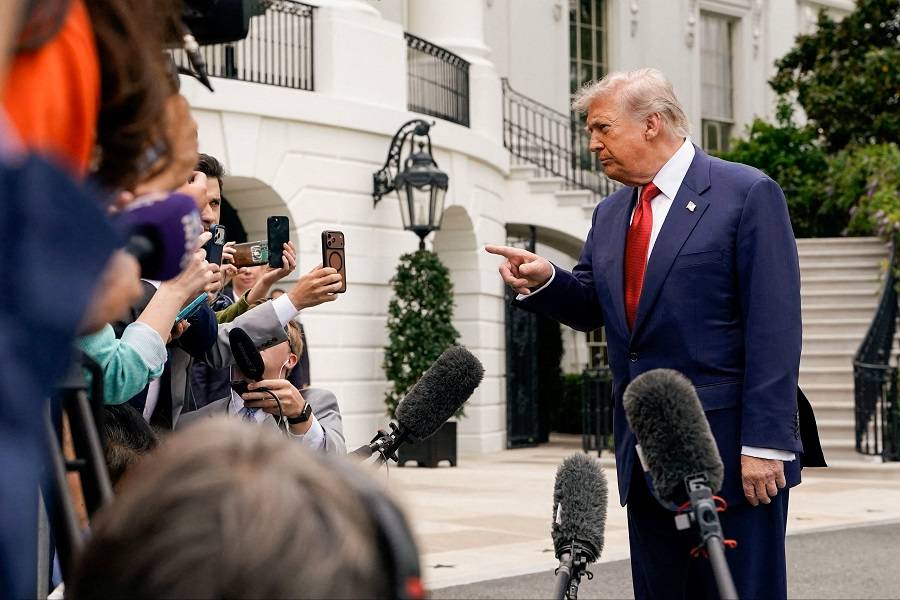
One cannot overlook the personality of US President Donald Trump in this equation, as he has a history of sudden withdrawal from international agreements if he senses any procrastination. This possibility places the Iranian side under constant pressure to meticulously implement commitments, fearing a return to the 'maximum pressure' policy, which this time could be more devastating to the exhausted economy.
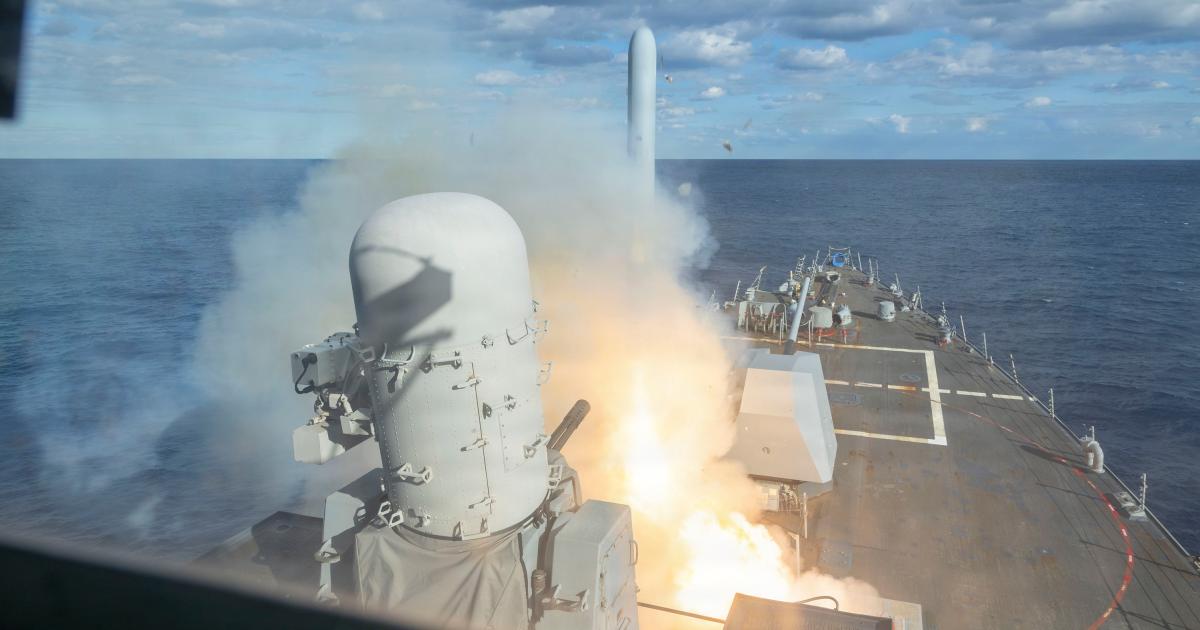
Reports indicate that the naval blockade tested by the United States has proven its ability to completely paralyze Iranian exports and imports. Should military operations resume, Washington will be in a position to implement this blockade more effectively, reducing the maneuvering options available to decision-makers in Tehran.
Internally, the agreement faces challenges from active parties in both countries who do not wish to see any diplomatic rapprochement, as these forces believe their interests are linked to the continuation of the conflict. These affected parties may actively seek to derail the transitional agreement during the specified sixty-day period, putting the entire diplomatic process on a knife-edge.
The conflicting interpretations of 'victory and defeat' reflect each party's desire to market the agreement to its domestic audience as a political achievement. However, the reality indicates that the agreement is merely a mechanism to establish a ceasefire and avoid total collapse, not a final settlement that ends the long-standing hostility between the two parties.
It appears that Iranian President Masoud Pezeshkian has put his political future at stake by accepting responsibility for this path, especially given the continued field operations by the Revolutionary Guard, which sometimes contradict official discourse. This conflict of authorities weakens the credibility of Iranian commitments before the international community and increases the American administration's suspicions.
Ultimately, the current US-Iranian agreement remains a 'necessity agreement' imposed by harsh economic and field conditions, awaiting the outcome of the next phase of negotiations. The question remains as to the extent of the parties' ability to withstand internal pressures and sudden shifts in US foreign policy before the specified deadline expires.
In conclusion, the coming days will reveal whether this agreement is a bridge towards new regional stability or merely a short warrior's rest before a larger storm. Current data indicate that all parties are preparing for the worst-case scenarios even as they sit at the negotiating table, making lasting peace a distant goal for now.
In principle, I had a different opinion, but in light of the President's commitment as head of the Supreme National Security Council, I authorized the agreement.
Share your opinion
A Reading of the US-Iranian Agreement: Temporary De-escalation or Forced Concessions?