






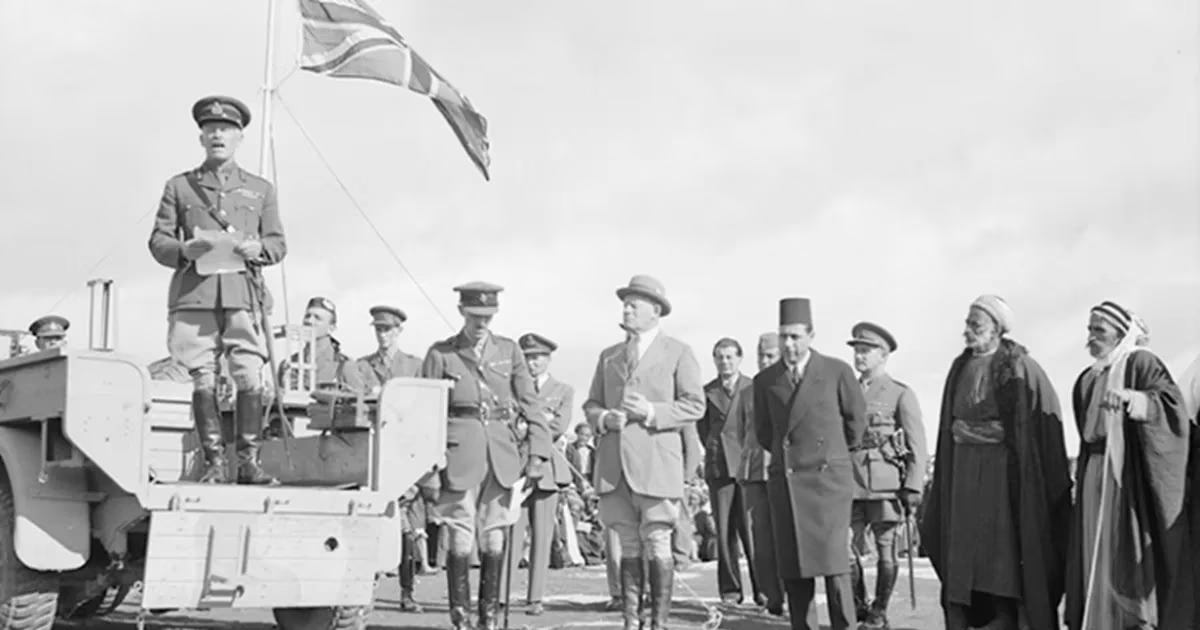
Palestinian resistance is currently facing complex challenges that go beyond direct confrontation with the Israeli war machine in Gaza and the West Bank. These challenges emerge in the continuous clash with local elites who adopt policies that align with external powers, a historical path that has been repeated in the experiences of colonized peoples through three patterns: radical resistance, pragmatic cooperation, or complete complicity.
Since the early 1920s, Palestinian society has witnessed a sharp class and political division regarding the Zionist project and the British Mandate. While wealthy families in Jerusalem and Jaffa tended towards appeasement and compromise, farmers and laborers engaged in direct field resistance, creating a deep gap between the traditional leadership and the popular base.
The frustration with the performance of traditional elites led to the birth of the 'Independence Party' in 1932, which represented the aspirations of the middle class and young intellectuals. The party's leaders, such as Hamdi al-Husseini and Izzat Darwaza, drew inspiration from Gandhi's civil disobedience methods in India, calling for a comprehensive boycott of the British administration.
Tension reached its peak in 1933 when the Independence Party led massive demonstrations against Zionist displacement policies and the influx of Jewish immigration. British police confronted these movements with excessive force, resulting in dozens of martyrs and wounded in the cities of Jaffa and Haifa, which further inflamed the Palestinian street.
In that era, the interests of the British High Commissioner converged with those of Palestinian elites, who feared losing their privileges, to dismantle the Independence Party. Indeed, this alliance succeeded in weakening the party organizationally by 1935, but the revolutionary spirit remained latent among the youth and workers who refused to be held hostage by British promises.
1936 marked a historical turning point with the launch of the Great General Strike, which lasted for six continuous months, defying the wishes of the traditional leaders. The elite politicians were then forced to ride the popular wave and establish the 'Arab Higher Committee' to try to contain the revolutionary momentum and control the pace of the street in line with international pressures.
During the Great Palestinian Revolt, 'peace factions' emerged as a military tool supported by some elite families to confront Palestinian revolutionaries from within. This stab in the back, coupled with brutal British repression, led to the defeat of the revolution in 1939, which later paved the way for the Nakba of 1948 and the tearing apart of the social fabric.
After the Nakba, specifically in the 1960s, a new generation from refugee camps and workers rose to lead armed action, which wealthy elites later tried to contain. With the PLO's acquisition of the status of the sole legitimate representative in 1974, Arab political money began to play a role in taming national demands and shifting them towards diplomatic paths.
The PLO gradually moved from slogans of complete liberation to accepting the illusion of a 'two-state solution' under international and regional pressures. This policy opened the door for secret and public dialogues with Washington and European capitals, ultimately leading to the signing of the Oslo Accords in 1993, which changed the face of the conflict.
The Oslo Accords represented a qualitative shift, as the Palestinian leadership transformed from the role of 'negotiator' to that of 'security agent' under the signed commitments. The nascent Palestinian Authority began to operate within a system aimed at suppressing any attempt to revive the armed struggle legacy, which created a state of alienation between it and the resistance forces.
The strategy of repression reached its peak in 2007 following the coup against the results of the legislative elections won by Hamas. This clash, which was carried out with extensive security and political coordination, brought back memories of the 'peace factions' in the 1930s, where security forces began pursuing resistance fighters instead of protecting them.
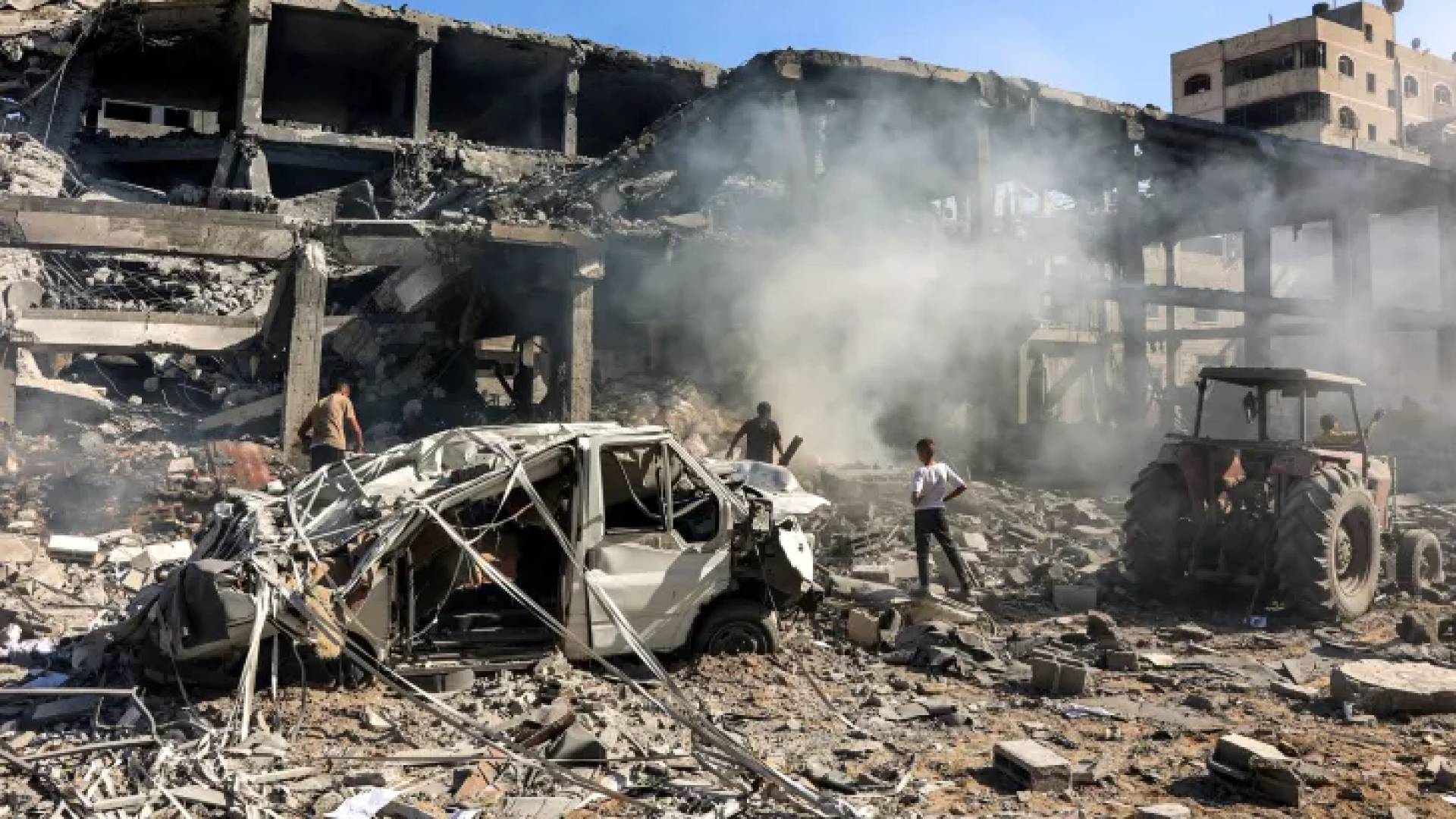
Observers believe that the Palestinian people today find themselves forced to fight a double battle; one against the occupation and another against an authority that dedicates its efforts to security coordination. Despite the ongoing war of extermination in the Gaza Strip, security forces in the West Bank continue to pursue activists and resistance fighters, deepening the national crisis.
The history of the Palestinian conflict indicates that all attempts at domestication and containment by collaborating elites have not succeeded in ending the spirit of resistance. Resistance remains, despite the heavy cost and immense sacrifices, the true expression of the Palestinian people's aspirations for liberation and emancipation from settler colonialism.
In conclusion, the competition between the approach of compromise and the approach of resistance remains the primary driver of internal Palestinian politics for over a century. With the continuation of Israeli aggression, popular conviction is growing that externally dependent diplomatic paths have only led to further loss of established national rights.
Palestinian history has repeatedly proven that policies of containment and domestication have not succeeded in breaking the national will or liquidating the resistance project.


Share your opinion
Between Resistance and Appeasement: A Reading in the History of Palestinian Elites and Their Political Roles