






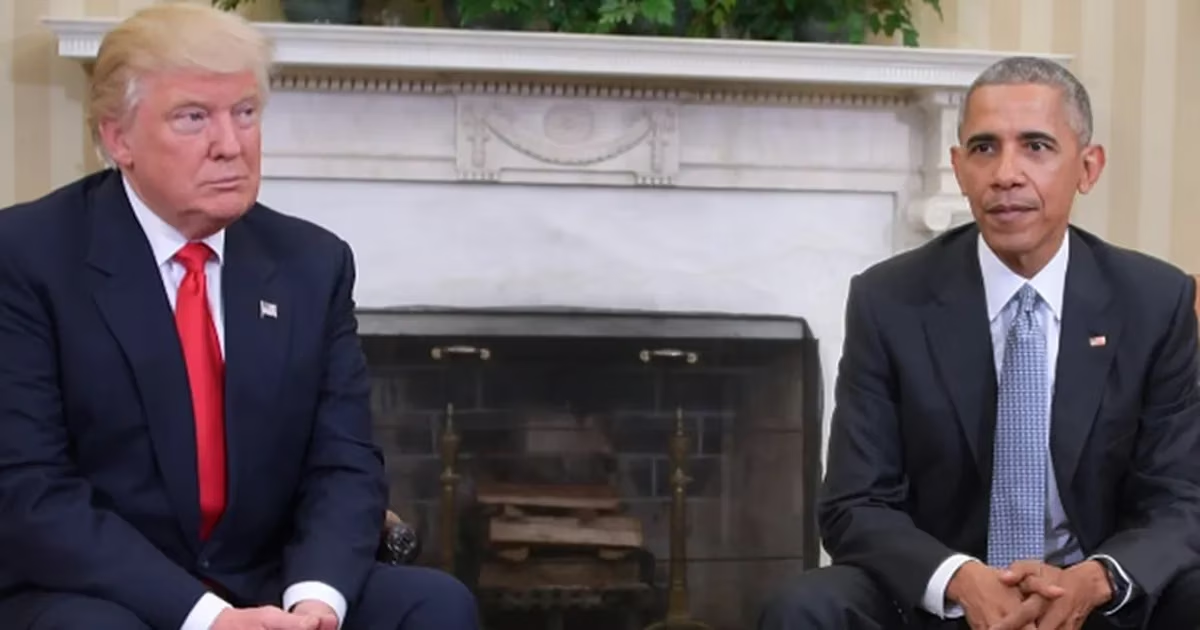
The intensity of political debate in the United States escalated with the unveiling of the preliminary agreement reached by President Donald Trump's administration with Tehran. Trump insists that his current formula is significantly superior to the nuclear deal concluded by Barack Obama in 2015. Trump claims that the previous agreement paved the way for Iran to acquire a nuclear arsenal, while his new agreement imposes strict restrictions that definitively prevent this path.
In contrast, former President Barack Obama questioned the validity of claims describing the new agreement as 'fundamentally different,' considering that the technical foundations for dealing with the Iranian nuclear file remain constant. These developments come as international circles await the official signing of the memorandum in Geneva, Switzerland, amidst hopes of ending decades of tension in the Middle East.
Looking at the details of the 2015 agreement, it primarily focused on the technical nuclear aspect, obliging Iran to a maximum uranium enrichment level not exceeding 3.67% for 15 years. The agreement also included a massive 98% reduction in enriched uranium stockpiles, ensuring that Iran's stockpile would not exceed 300 kilograms, which was considered sufficient to prevent armament at the time.
Obama's agreement also included reducing the number of centrifuges from 19,000 to only about 6,000 first-generation centrifuges, along with redesigning the Arak heavy water reactor. These steps aimed to prevent the production of military-grade plutonium, in exchange for a gradual lifting of international sanctions and the unfreezing of Iranian financial assets in global banks.
As for the features of Trump's 2026 agreement, they appear more comprehensive from a geopolitical perspective, as they include an immediate and comprehensive cessation of military operations on all fronts, including the Lebanese arena. The opening of the Strait of Hormuz stands out as one of the most important achievements, as the agreement aims to ensure freedom of navigation and global trade without restrictions or additional fees, which Trump sees as a historic achievement.
Reports indicate that Trump's agreement includes a temporary truce for 60 days, the deadline set for comprehensive negotiations on more complex issues that have not yet been resolved. During this period, the United States commits not to impose any new sanctions, with a pledge to lift oil sanctions for a specified period to allow Tehran to collect revenues from its crude sales.
Trump's financial vision includes the release of $25 billion in frozen Iranian assets through direct cash transfers and financial credit lines. Washington also pledges to coordinate with its regional allies to develop a comprehensive plan for reconstruction and development in Iran, representing a radical shift in strategy for dealing with the Iranian regime from maximum pressure to economic incentives.
Regarding the nuclear file, under Trump's memorandum, Iran agrees to completely refrain from producing or possessing nuclear weapons, while maintaining the current status of its program during the negotiation period. Mechanisms for dealing with Iran's current stockpile of highly enriched uranium, estimated at about 12 tons, are to be addressed in the final agreement to be concluded later.
Sources reported that Trump aims to make the Strait of Hormuz 'free forever,' considering that this agreement will protect the region and prevent the 'annihilation of Israel,' in his words. Trump sharply criticized some regional parties, accusing Israeli Prime Minister Benjamin Netanyahu of attempting to obstruct the diplomatic path led by the White House.
The new vision also includes the idea of 'protection for payment,' where Trump proposes the principle of regional countries contributing financially in exchange for the American security umbrella that the new agreement will provide. Observers believe that this approach reflects Trump's business mindset in managing international affairs, transforming ideological conflicts into mutual economic and security deals.
The upcoming negotiations in Switzerland will also discuss imposing strict controls and immediate, unconditional inspection mechanisms for Iranian nuclear facilities to ensure full compliance. The final provisions are expected to include a suspension of uranium enrichment for long periods ranging from 15 to 20 years, which exceeds some provisions of the 2015 agreement in its strictness.
Sources indicated that the military operations witnessed last February were the primary driver that pushed Tehran to the negotiating table, according to US administration estimates. Trump indirectly praised international roles such as Russia and China in contributing to de-escalating tensions, which paved the way for these initial understandings.
The biggest challenge for Trump's agreement remains how to transform this memorandum into a permanent treaty accepted by legislative institutions and regional allies. While Trump focuses on economic aspects and opening waterways, concerns remain about Iran's ability to maneuver during the 60-day period allocated for final negotiations on outstanding issues.
In conclusion, the divergence between Obama's 'technical' approach and Trump's 'comprehensive' approach represents the peak of the political struggle in Washington over how to contain Iranian ambitions. Whether Trump succeeds in completing his 'grand deal' or not, the features of the current agreement redraw the map of balances in the Middle East, with a focus on economy and navigation as alternative tools to direct wars.
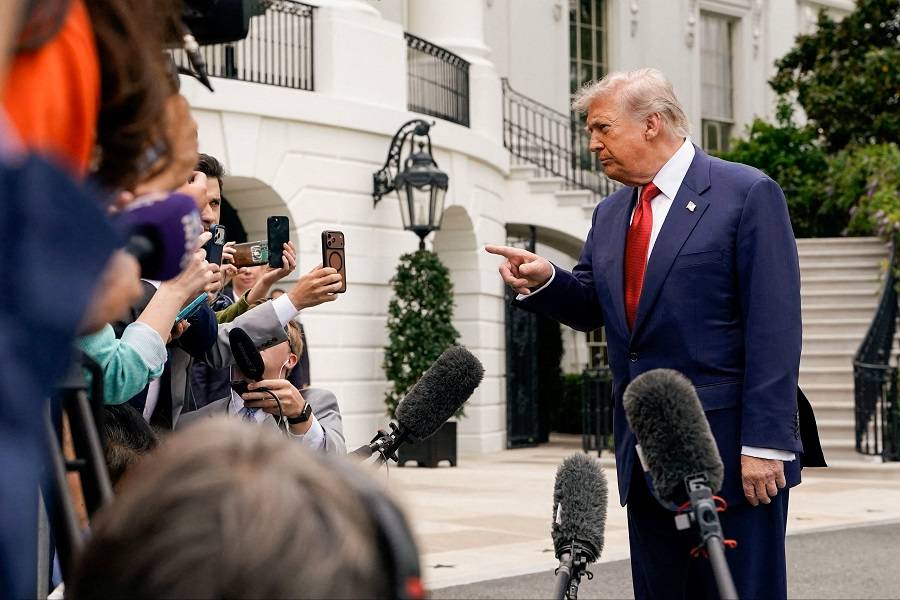
Trump: My current agreement is the complete opposite of Obama's agreement, which was an easy path to acquiring a nuclear weapon.
Share your opinion
Between Two Eras: A Comprehensive Comparison of Trump's New Deal with Iran Versus Obama's 2015 Agreement