






The eyes of the international community are focused on the anticipated final draft of an agreement aimed at ending the 106-day military confrontation between the United States and Iran. Diplomatic descriptions of this development fluctuate between it being a comprehensive memorandum of understanding or an initial framework for a final agreement, while anticipation surrounds the timing of the official announcement that could change the political map in the region.
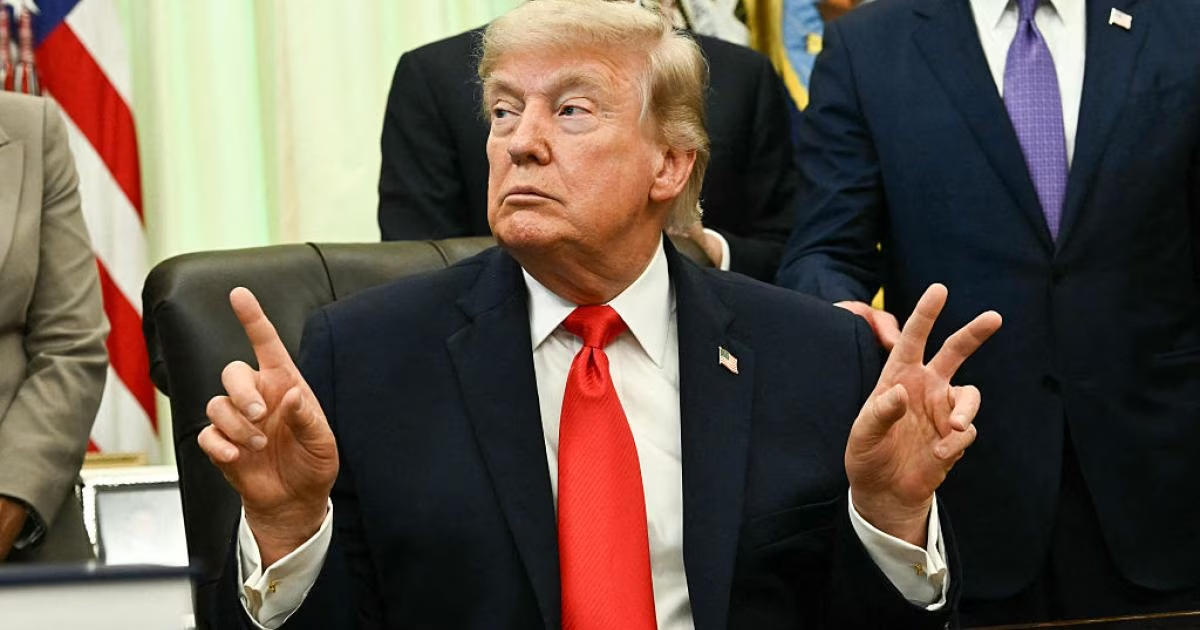
For his part, US President Donald Trump considered reaching this stage an exceptional political success, noting that this achievement coincides with his reaching the age of eighty. Trump described the agreement as imposing strict restrictions preventing Tehran from possessing a nuclear weapon, comparing it to previous agreements which he considered inadequate in protecting American and international interests.
In contrast, a state of extreme caution prevails in Iranian circles, where media sources close to decision-making circles reported that Tehran fears the agreement will be turned into a tool for political propaganda in favor of the US administration. The final Iranian position remains reserved, awaiting confirmation that all demands related to national sovereignty and economic interests are met before official signing.
The US administration adheres to firm demands including the complete dismantling of Iran's nuclear program infrastructure, with the necessity of disposing of its highly enriched uranium stockpile either through destruction or technical processing. Washington also stipulates the imposition of a strict and comprehensive international monitoring system to ensure that nuclear activities do not return to their previous military paths under any circumstances.
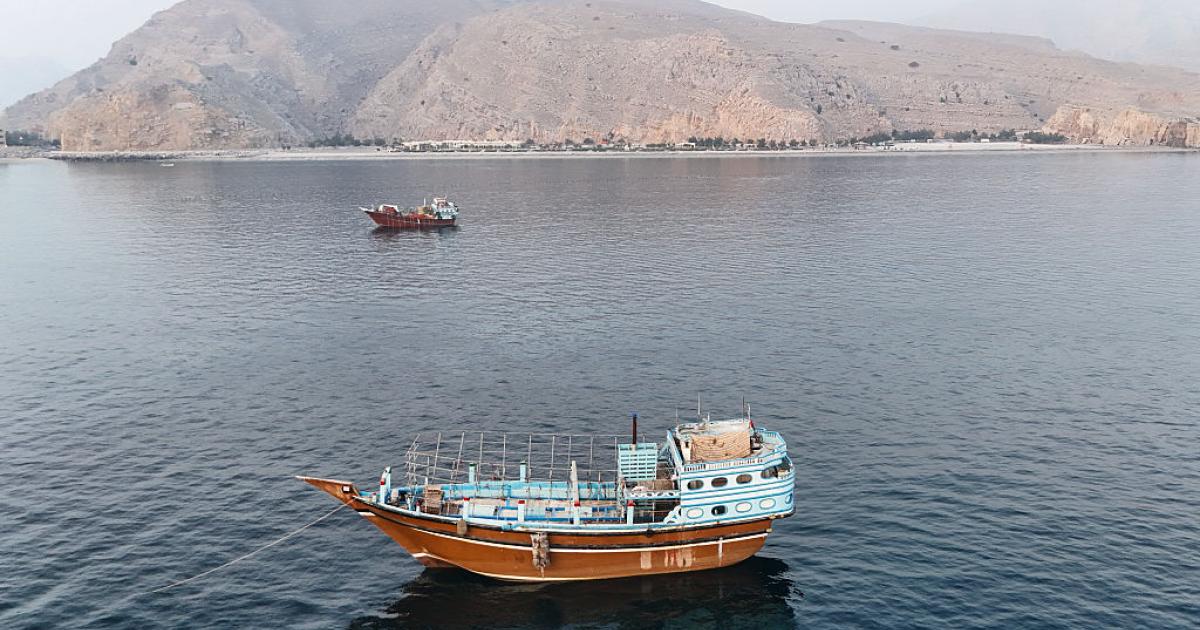
Regarding sanctions, Washington links any step towards releasing frozen Iranian assets to the extent of Tehran's commitment to the terms of the agreement, especially concerning ensuring the security of international navigation in the Strait of Hormuz. US conditions also include halting support for regional allies, which Washington sees as necessary to ensure sustainable regional stability after the cessation of hostilities.
In contrast, Tehran insists on the necessity of a comprehensive and complete lifting of all economic sanctions imposed on it, including ending restrictions on oil exports and banking transactions. The Iranian government demands a timeline not exceeding 30 days for lifting maritime restrictions, while affirming its legitimate right to develop a nuclear program for peaceful purposes and maintain low levels of uranium enrichment.
Internally in Iran, parliamentary voices have emerged expressing concern about some technical details in the agreement, with the deputy head of the National Security Committee pointing to ambiguities regarding the mechanisms for implementing the opening of the Strait of Hormuz and estimating the actual value of the funds to be released. Intensive discussions continue within Iranian political circles to assess whether the agreement crosses the red lines set by the supreme leadership.
This agreement represents an impenetrable barrier against Iranian nuclear ambitions, and it is a political achievement that coincides with a pivotal stage.
Share your opinion
Global anticipation for an agreement to end the 106-day war between Washington and Tehran