






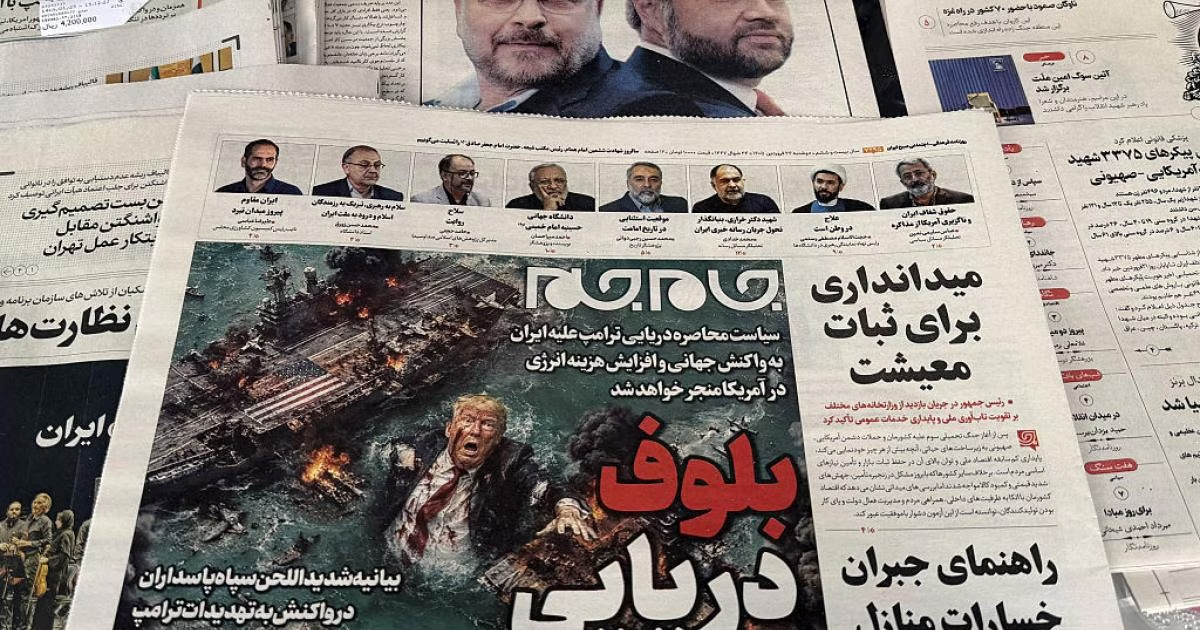
Diplomatic circles are witnessing rapid movements between Washington and Tehran to reach the signing of a memorandum of understanding aimed at ending ongoing military operations in the region. This step comes amid cautious optimism, tinged with many complexities related to the nuclear program and international navigation in the Strait of Hormuz, in addition to the issue of frozen Iranian funds.
Informed sources reported that there is a strong tendency to complete the signing ceremony electronically and remotely, to overcome logistical obstacles related to the US administration's schedule. These unconventional arrangements are due to the limited time available to US Vice President J.D. Vance before President Donald Trump departs to participate in the G7 summit scheduled for the next two days.
On the Iranian side, the Ministry of Foreign Affairs maintains a more reserved tone, with its spokesperson, Ismail Baqaei, confirming that there are no current plans for official delegations to visit European or regional capitals. Estimates in Tehran suggest that the signing may take place early next week, with an emphasis that the memorandum represents an initial 'roadmap' and not a comprehensive final settlement.
Highly enriched uranium stands out as one of the most sensitive points in the ongoing negotiations, with Iranian Foreign Minister Abbas Araqchi stating that technical details will be finalized within 60 days. Tehran insists that the only acceptable proposal for it is to reduce the level of uranium enrichment within its national facilities, categorically rejecting the idea of transferring it outside the country.
In contrast, sources quoted a senior American official as saying that the agreement aims to initiate a process of 'destroying or removing' Iran's stockpile of sensitive nuclear materials. Washington considers the next two months crucial for determining the technical mechanisms of this process, especially since some of these materials are located in sites that have been subjected to previous military strikes.
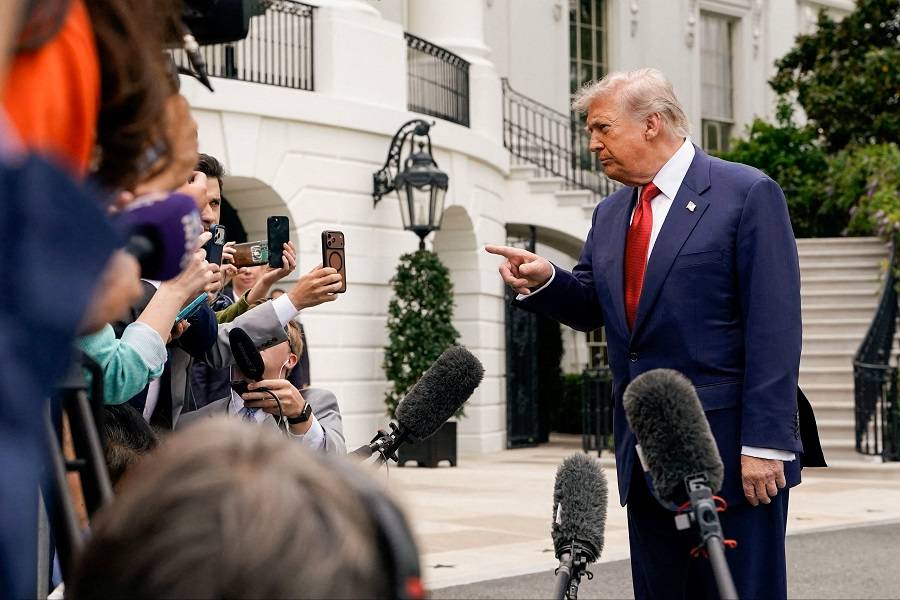
Regarding the economic aspect, US President Donald Trump clarified that frozen Iranian funds will not be delivered in cash as happened in previous administrations. Attention is focused on the possibility of allowing Tehran to use part of its assets in Qatari banks to secure specific humanitarian and commercial needs under international supervision.
The anticipated agreement also includes vital provisions related to the full reopening of the Strait of Hormuz to international navigation to ensure the stability of global energy supplies. Through negotiations, Iran seeks to obtain recognition of its right to impose fees on transit ships in exchange for logistical services, which has been a long-standing international legal dispute.
The Lebanese file remains the most ambiguous in these understandings, as Tehran links the success of the agreement to the cessation of ongoing Israeli aggression on Lebanese territories. Sources confirm that Iran is pushing to integrate the de-escalation file between Hezbollah and Israel as an integral part of any desired regional stability in the next phase.
In contrast, Israeli Security Minister Yisrael Katz issued strong warnings, emphasizing that Tel Aviv may be forced to act unilaterally to protect its national security, away from international understandings. Katz stressed that the Israeli army will not withdraw from the positions it controlled in Lebanon, Syria, and Gaza, which puts the agreement to a difficult field test.
Iranian doubts are increasing about the extent of the US administration's commitment to implementing its pledges after the signing stage, which prompts Tehran to avoid raising popular expectations. Observers believe that the historical distrust between the two parties may turn the memorandum of understanding into merely a temporary 'political truce' prone to collapse at the first technical or military clash.
Regional officials following the negotiations indicated that the agreement will include a gradual lifting of economic sanctions imposed on Tehran in exchange for concrete steps in the nuclear file. An official announcement is expected in the coming days if the final technical obstacles related to drafting the final provisions are overcome.
These developments come at a time when global markets are suffering from severe disruptions due to the closure of vital waterways and rising prices of fertilizers and food. The opening of the Strait of Hormuz represents a major international interest that may push major powers to pressure all parties to make this understanding a success despite strong Israeli opposition.
On the ground, battles in southern Lebanon and the northern West Bank continue to cast a shadow over the political scene, as the occupation refuses to make any geographical concessions. This Israeli intransigence may hinder the transformation of the memorandum of understanding into a permanent peace agreement, limiting it to limited security arrangements aimed at cooling down the fronts.
Ultimately, the region appears to be on the cusp of a major transitional phase that may redraw political alliances in the Middle East. The timing of the electronic signing, if it occurs, will be a signal to start a race against time to resolve outstanding issues within the sixty-day period set by both parties as a test of intentions.
Iranian officials view the memorandum as merely a roadmap or broad outlines for ending the war, not a final agreement that resolves all outstanding issues.
Share your opinion
Arrangements for an imminent 'electronic' signing between Washington and Tehran: Outlines of an agreement to end the war and outstanding issues