





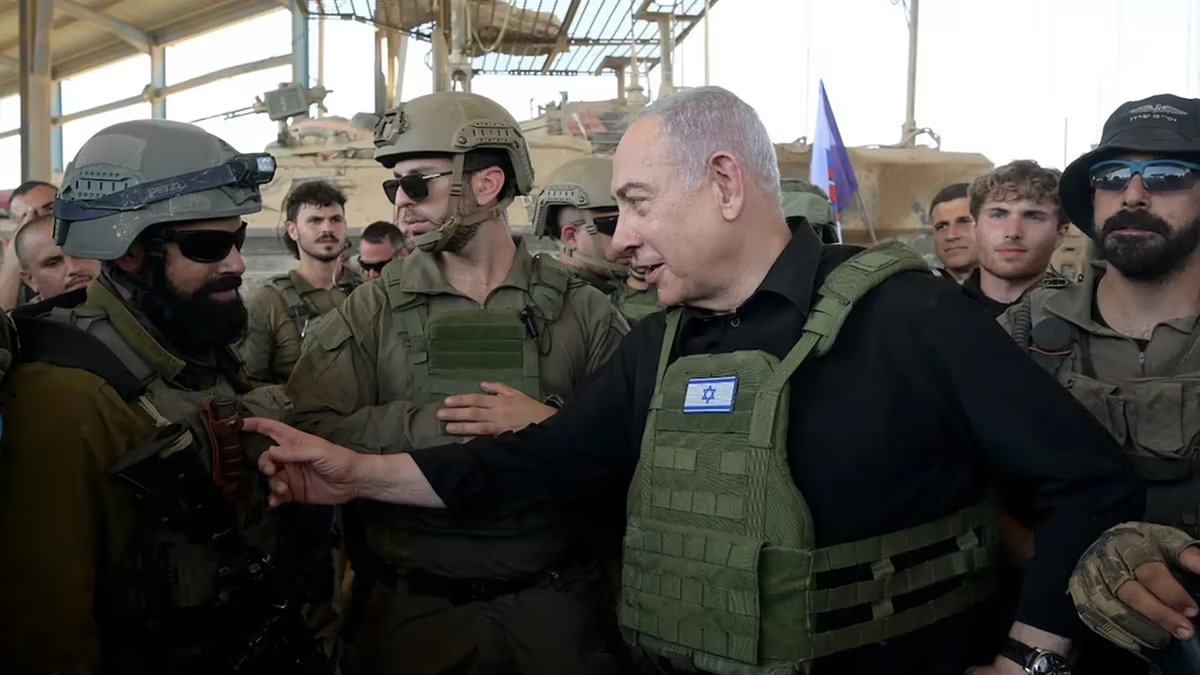
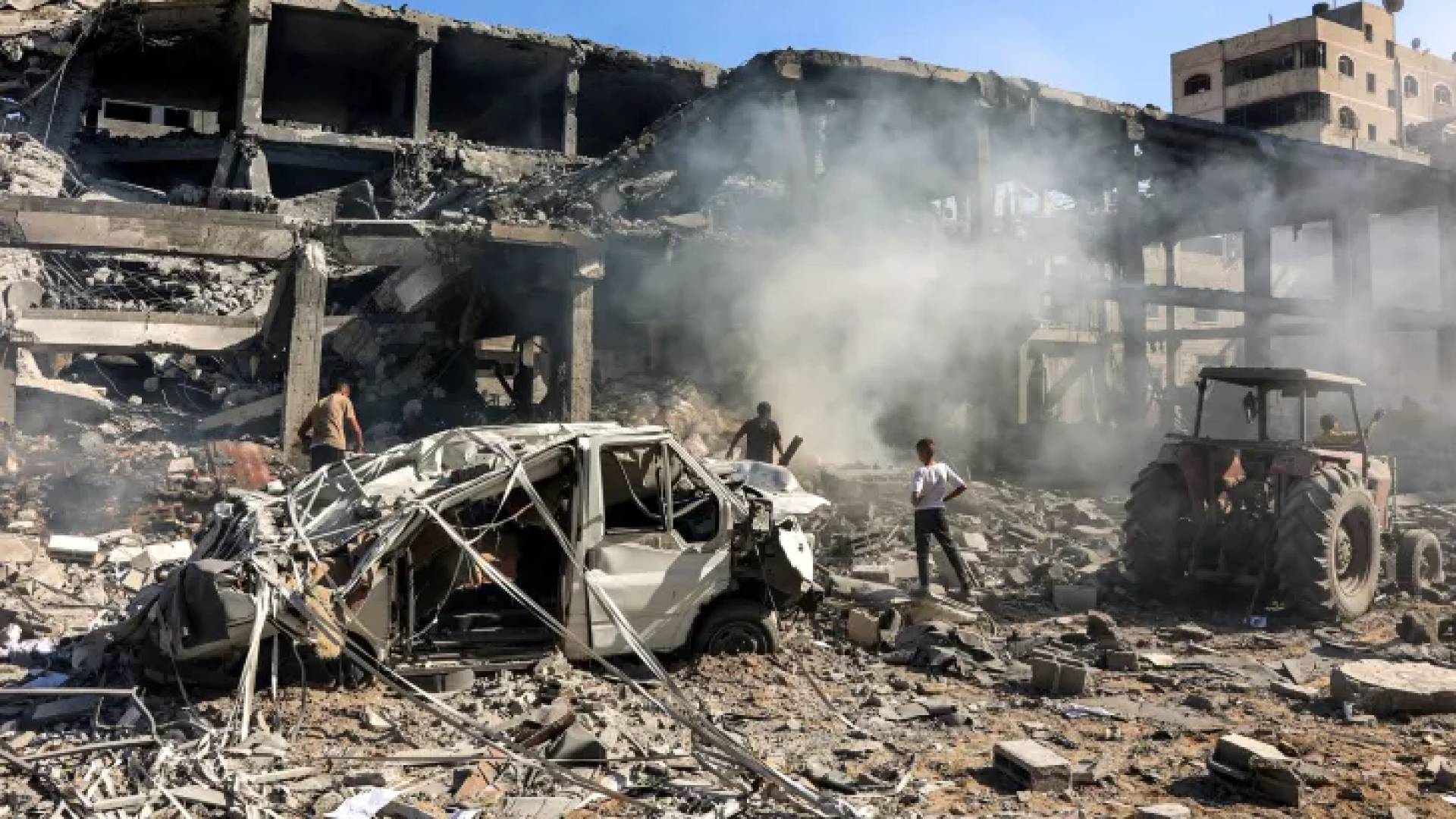
Field indicators in the Gaza Strip are escalating, reflecting an Israeli approach that contradicts the supposed path of de-escalation, as violations expand and control on the ground advances instead of moving towards phases of ending the war. Observers believe that these moves represent a systematic attempt to empty the agreement of its content and repurpose it to achieve military objectives that Tel Aviv failed to accomplish during intensive operations.\n\n"The Islamic Resistance Movement (Hamas) accused the Israeli side of shifting what is known as the 'Yellow Line' westward, coinciding with continued bombing operations and the prevention of vital aid. These facts raise serious questions about the fate of the agreement, and whether the Israeli government is moving to reformulate the truce according to its own conditions, away from the original commitments.\n\n"It appears that the core of the current dispute has gone beyond procedural details to affect the nature of the agreement itself, as Israel acts as if it is in a race against time to expand its geographical influence within the Strip. While the first phase is expected to alleviate the humanitarian catastrophe, Israeli focus is on imposing realities on the ground that will make any binding political settlement difficult in the future.\n\n"In this context, political readings indicate that the problem lies not in scattered violations, but in a comprehensive approach aimed at hindering Gaza's ability to recover. This approach includes obstructing the humanitarian protocol and preventing reconstruction efforts, which keeps the Strip in a state of permanent attrition used as leverage in negotiations.\n\n"Tel Aviv is currently seeking to confine the discussion to the issue of resistance weapons, shifting the agreement's center of gravity from ending the war and humanitarian suffering to complex security files. This fundamental shift primarily serves the Israeli agenda, making the implementation of other provisions secondary in the calculations of the Netanyahu government.\n\n"For its part, Palestinian factions believe that this approach is characterized by clear selectivity, where binding provisions for withdrawal and lifting the siege are ignored in favor of adhering to what serves the strategic interests of the occupation. Accordingly, the agreement, from the Palestinian perspective, turns into a tool to achieve war outcomes instead of being a comprehensive framework for ending it.\n\n"Fears are growing with successive Israeli statements about remaining in 'security zones' within Gaza and expanding the scope of military control. This trend reflects a desire to reshape the geopolitical landscape of the Strip, making any future withdrawal a complex and politically and militarily costly process.\n\n"Experts in Israeli affairs link these policies to a deeper goal of changing the demographic map and weakening the basic components of life. Continuous living restrictions and systematic military pressure may turn the idea of displacement from a political slogan into a reality imposed by the lack of living options in the devastated areas.\n\n"Concerns also arise about exploiting the disarmament file to create a state of internal chaos, by attempting to strip national forces of their capabilities while local groups supported by the occupation emerge. Factions fear that this path will lead to internal conflicts that reshape the Palestinian scene in a way that serves the Israeli security vision.\n\n"On the international level, American positions appear closer to adopting the Israeli perspective, where the faltering implementation of the agreement is directly linked to the issue of Hamas's weapons. This position explains Washington's reluctance to exert real pressure on Israel to compel it to abide by humanitarian provisions and withdraw from populated areas.\n\n"In light of this reality, the meetings of Palestinian factions in Cairo came as an attempt to fortify the national position and prevent the passage of unilateral formulas. Palestinian forces stressed the need to defend the original philosophy of the agreement, which is based on mutual and simultaneous commitment between all parties.\n\n"Despite the factions showing flexibility on sensitive issues such as heavy weapons arrangements, they link this to ending humanitarian restrictions and stopping attrition policies. Palestinian awareness is growing that the real danger lies in the agreement remaining a formal cover while being emptied of its practical content on the ground.\n\n"Palestinian forces are betting on the role of regional mediators to restore the lost balance in the negotiation process, especially since these mediators previously succeeded in modifying international proposals. The factions demand greater pressure on the American administration to compel Tel Aviv to respect its commitments and prevent the policy of imposing a fait accompli.\n\n"The agreement stands today at a critical crossroads: either it regains its path as a real entry point for ending the war and relieving the population, or it remains merely a political maneuver. If the current approach continues, Netanyahu will continue to use de-escalation as a cover to complete what he failed to achieve through direct military force.\n\n"An agreement that does not stop the bombing and does not allow recovery becomes a cover for managing the crisis, not for solving it.

PALESTINE
Sun 14 Jun 2026 7:56 am - Jerusalem Time
Fears of undermining the Gaza agreement: Is Netanyahu seeking to impose a new reality on the ground?
Tags
MORE FROM PALESTINE
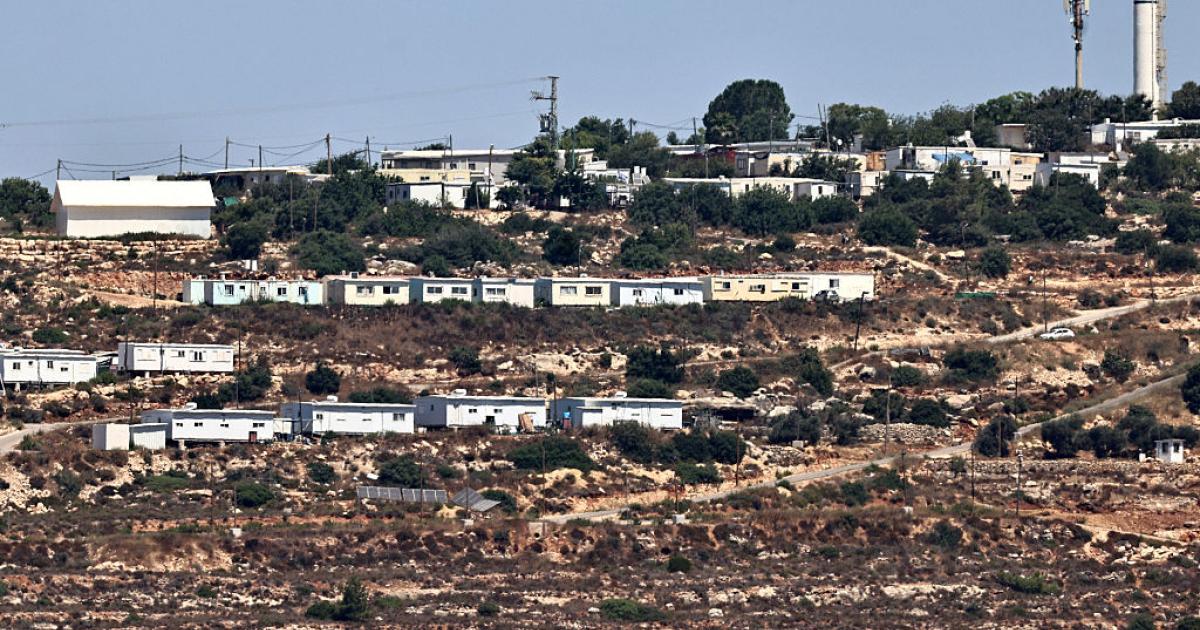
Secret $370 Million Budget: Israeli Plan to Boost Settlement in West Bank
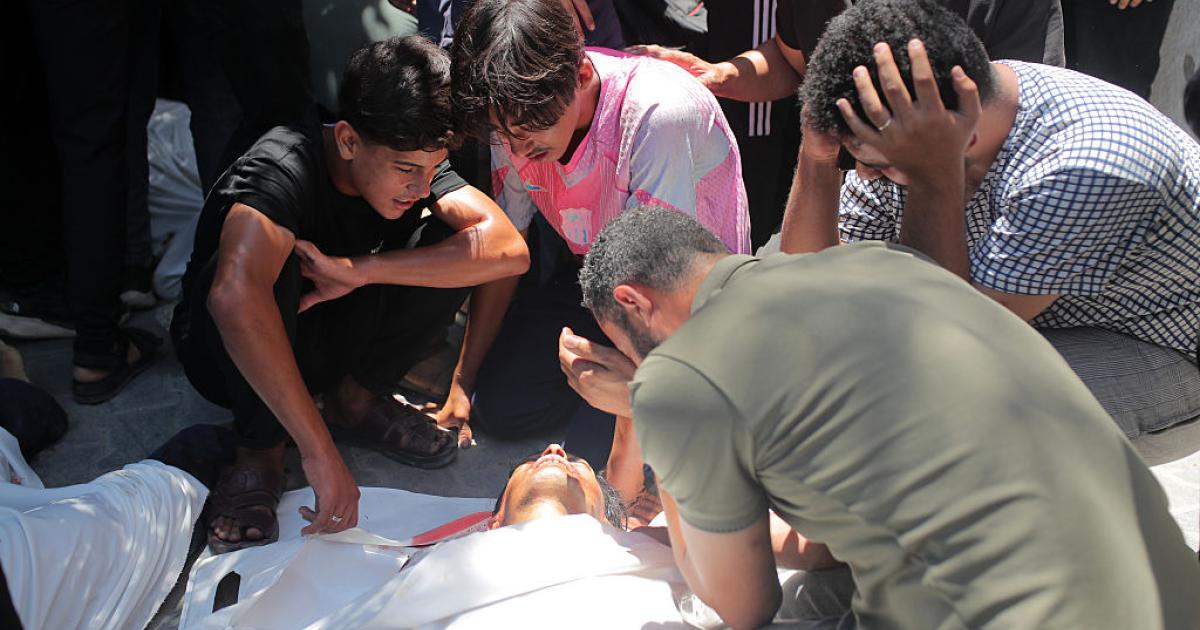
13 Martyrs in Gaza: Occupation Assassinate Jabalia Police Director and Continues Targeting Civilian Institutions
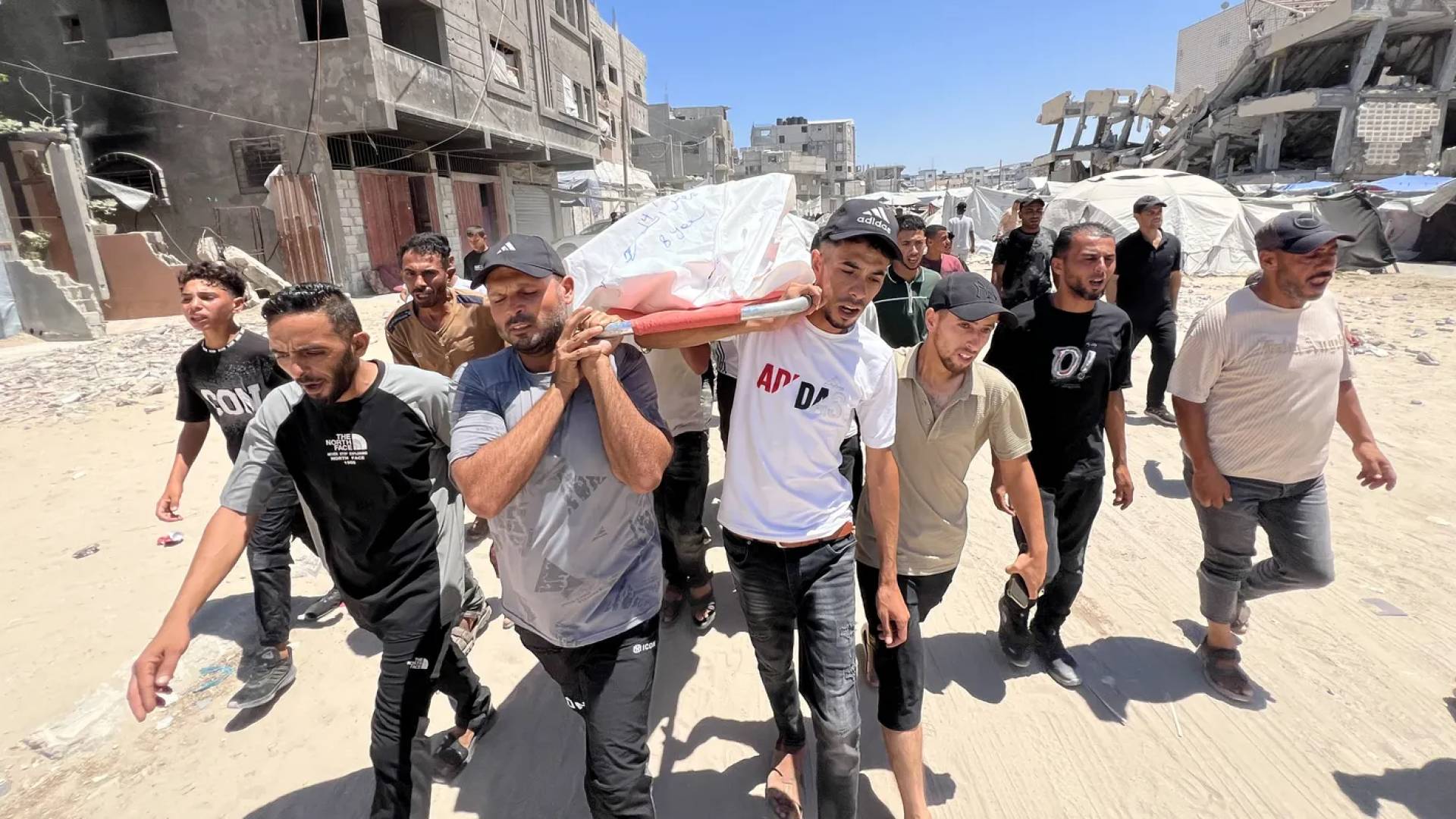
3 martyrs and wounded in an airstrike targeting a house in Deir al-Balah city

Share your opinion
Fears of undermining the Gaza agreement: Is Netanyahu seeking to impose a new reality on the ground?