






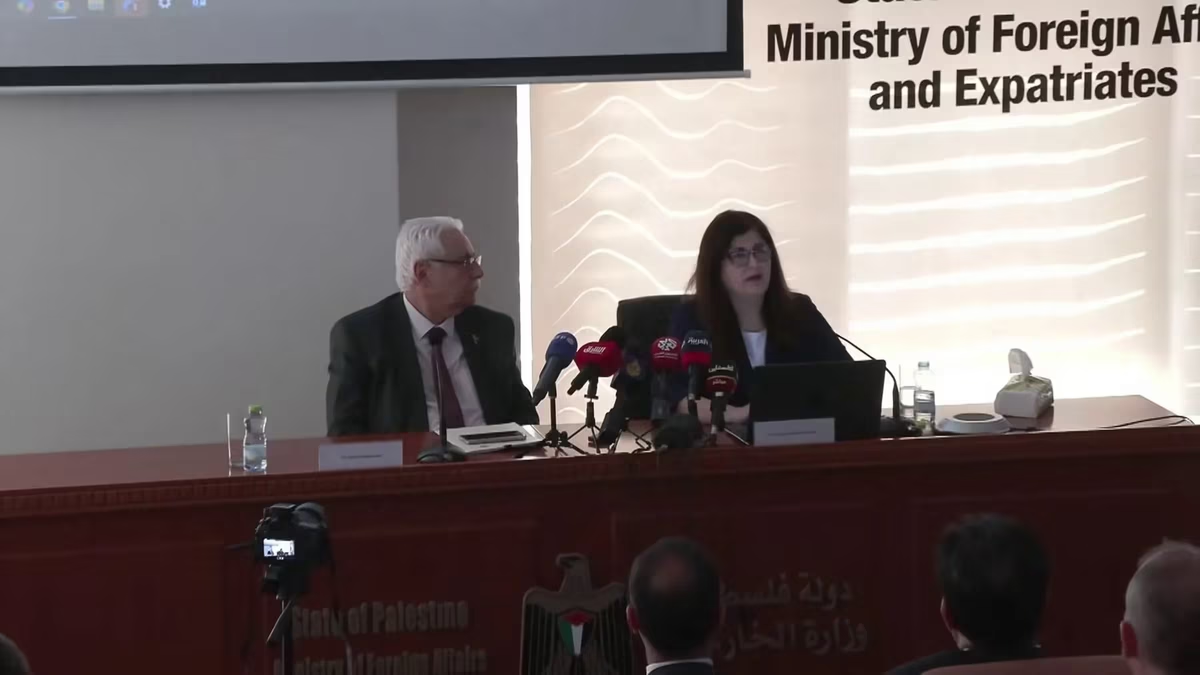
The Palestinian government issued strong warnings that the health sector is on the verge of complete collapse, stressing that hospitals and care centers are now unable to provide even the minimum level of services. This came during an extensive diplomatic briefing held at the Ministry of Foreign Affairs headquarters, where the tragic reality experienced by patients in light of the shortage of medical supplies and the exacerbation of the financial crisis was reviewed.
Minister of Health Dr. Majed Abu Ramadan affirmed that the health system is facing unprecedented pressures resulting from the intertwining of humanitarian, operational, and financial crises in all Palestinian territories. He pointed out that the ability of medical institutions to operate has been systematically undermined, especially in the Gaza Strip and the West Bank, including East Jerusalem, making it almost impossible to respond to urgent needs.
The Ministry of Health stressed that the right to treatment is a fundamental right guaranteed by all international conventions and international humanitarian law, which obliges the occupying power to ensure the continuity of health services. The minister warned that targeting medical infrastructure and obstructing the arrival of supplies raises major legal and ethical questions about the extent of the international community's commitment to protecting civilians and medical facilities.
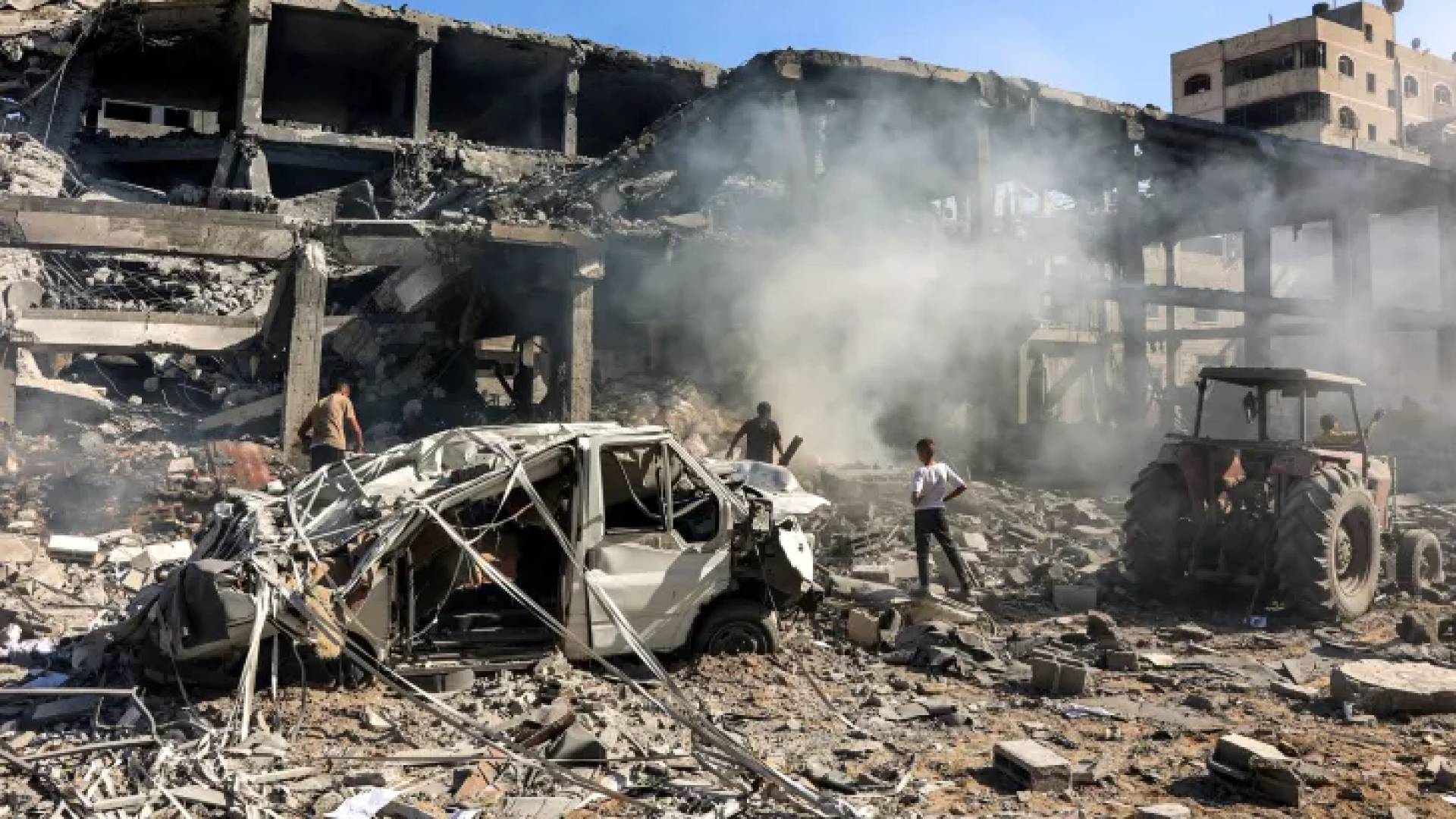
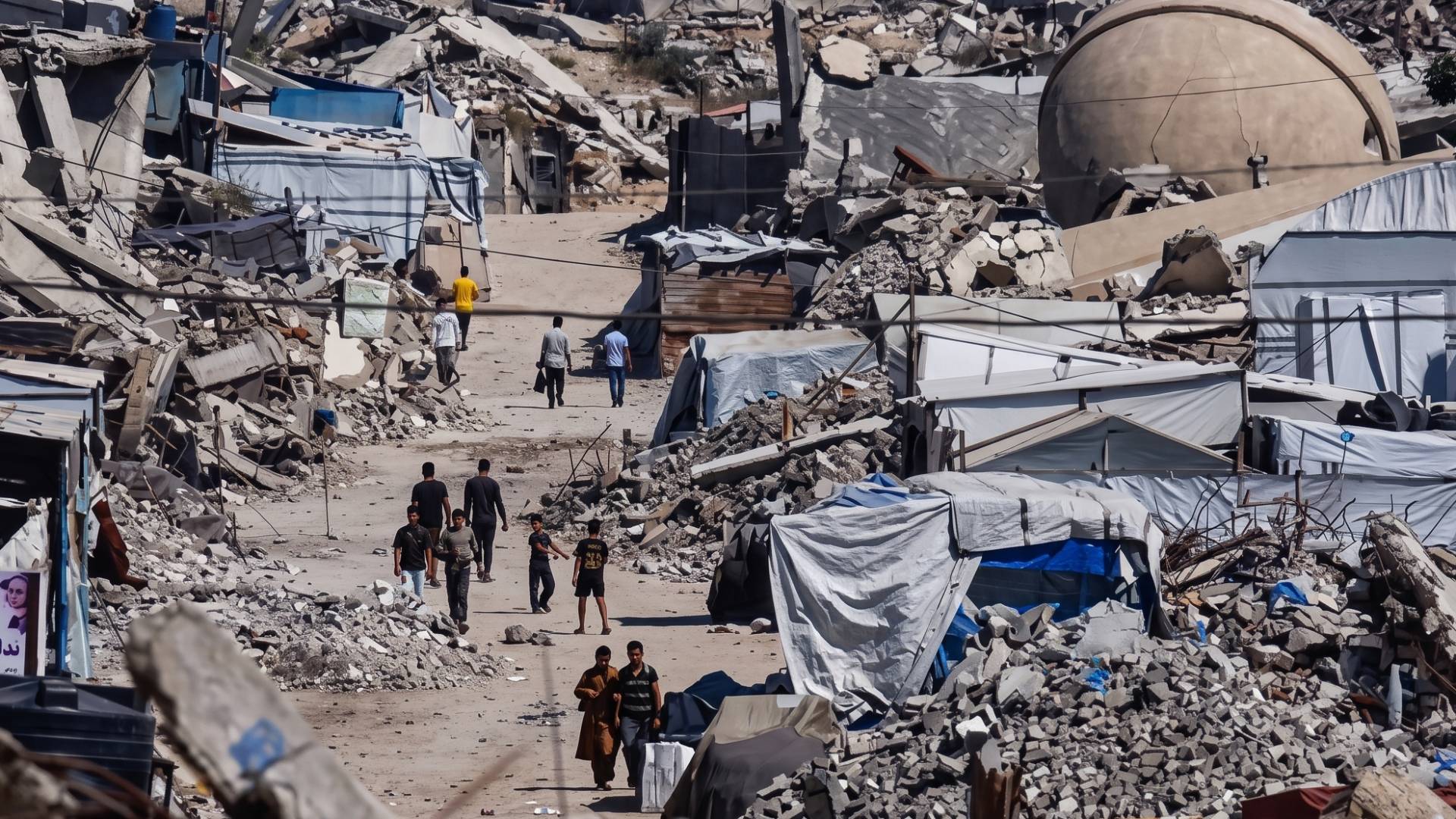
Regarding the field situation, official sources explained that conditions in the Gaza Strip continue to deteriorate rapidly despite talks of a ceasefire, with new casualties daily. The sources added that the scale of the disaster is not limited to the number of dead and injured, but extends to include the widespread destruction that has affected pharmacies, laboratories, and specialized rehabilitation centers.
The Minister of Health revealed shocking figures related to drug stocks, with about 47% of essential medicines, including vital treatments for cancer patients, having run out since last May. This deficit has put thousands of patients, especially children, pregnant women, and those with chronic diseases, in direct confrontation with the risk of death or an irreversible deterioration in their health condition.
The crisis has gone beyond drug shortages to become a public health catastrophe, as a result of the destruction of water networks, the accumulation of solid waste, and the massive overcrowding in displacement centers in the Gaza Strip. Medical authorities warned of the spread of epidemics and infectious diseases among the exhausted population, stressing that the current environment has become an ideal breeding ground for diseases that threaten the lives of the elderly and children in particular.
In the West Bank, the government confirmed that restrictions on movement, the closure of main roads, and repeated settler attacks have hindered the access of medical teams to their destinations. It explained that the delay of ambulances at military checkpoints is not only a logistical obstacle but also causes direct human losses due to the delay in providing first aid.
The diplomatic briefing touched upon the deep psychological crisis suffered by Palestinians as a result of continuous violence, forced displacement, and the lack of a sense of security. Officials pointed out that the effects of psychological trauma will accompany future generations for many years, which requires urgent interventions in the field of mental health, in parallel with surgical and pharmaceutical medical interventions.
On the financial front, Abu Ramadan explained that the detention of Palestinian clearance funds led to an unprecedented state of financial suffocation, threatening the sustainability of salaries and medical purchases. The accumulated debts of the Ministry of Health reached record levels, affecting its relationship with suppliers and private hospitals that provide complementary services to citizens.
The total debt of the health sector reached about 3.8 billion shekels, which is approximately one billion US dollars, distributed between dues to Jerusalem hospitals and pharmaceutical companies. This financial deficit caused more than 726 types of medicines to reach zero levels, meaning their complete absence from the shelves of central warehouses and government pharmacies.
The Ministry of Health warned that more than four thousand cancer patients face an unknown fate due to the interruption of their chemotherapy and radiation treatment protocols. The financial crisis also led to the postponement of thousands of scheduled surgeries and the disruption of primary care services in hundreds of centers in the West Bank, increasing pressure on emergency departments in government hospitals.
Sources indicated that non-governmental and private health institutions, which are a basic pillar of the national system, have already begun to reduce their services and lay off part of their workforce. This decline comes as a result of the government's inability to pay its financial dues to these institutions, threatening the collapse of the private medical sector that supports the public sector.
Despite these harsh circumstances, the Ministry of Health affirmed that it is working with alternative emergency plans to maintain life-saving services at the minimum available level. However, the minister stressed that these temporary solutions cannot last long, considering that the absence of sustainable funding means heading towards a comprehensive collapse whose catastrophic effects cannot be remedied in the future.
For her part, Foreign Minister Farsen Aghabekian called on the international community to take immediate action to release the detained Palestinian funds and stop the systematic violations against health institutions. She stressed that protecting the health sector is an integral part of protecting the Palestinian presence, warning that the repercussions of this collapse will not stop at the Palestinian borders but will affect the stability of the entire region.
The health sector faces an unprecedented intertwining of humanitarian, operational, and financial crises, and the slow collapse ultimately threatens the lives of thousands.
Share your opinion
Government warnings of a comprehensive collapse of the Palestinian health system due to financial blockade